



Proper nutrition plays an important role in a child’s growth, brain development, immunity and overall health. Children need essential vitamins, minerals, proteins and other nutrients to support their physical and cognitive development. However, an inadequate or unbalanced diet can lead to nutritional deficiencies that may affect their health over time.
Childhood malnutrition is a common nutritional concern that can occur when children do not receive sufficient nutrients through their daily diet. Recognising the early warning signs can help parents seek medical advice and address nutritional concerns before they affect a child’s development.
Parents looking for guidance from the Best Pediatric Hospital in Chennai should understand the importance of regular health assessments, balanced meals and timely nutritional evaluation. At Supreme Hospitals, Padur, child healthcare focuses on supporting children’s health through appropriate medical consultation and preventive care.
What Are Nutritional Deficiencies in Children?
Nutritional deficiencies occur when the body does not receive enough essential nutrients to maintain normal growth and development. These nutrients include vitamins, minerals, proteins, carbohydrates and healthy fats.
Children may develop nutritional deficiencies due to:
- Limited food variety or an unbalanced diet.
- Poor appetite and selective eating habits.
- Insufficient intake of fruits and vegetables.
- Digestive conditions that affect nutrient absorption.
- Increased nutritional requirements during growth.
- Certain chronic illnesses or underlying health conditions.
Parents searching for the Best Hospital in Chennai for children’s healthcare should be aware that persistent nutritional concerns may require medical evaluation and appropriate dietary guidance.
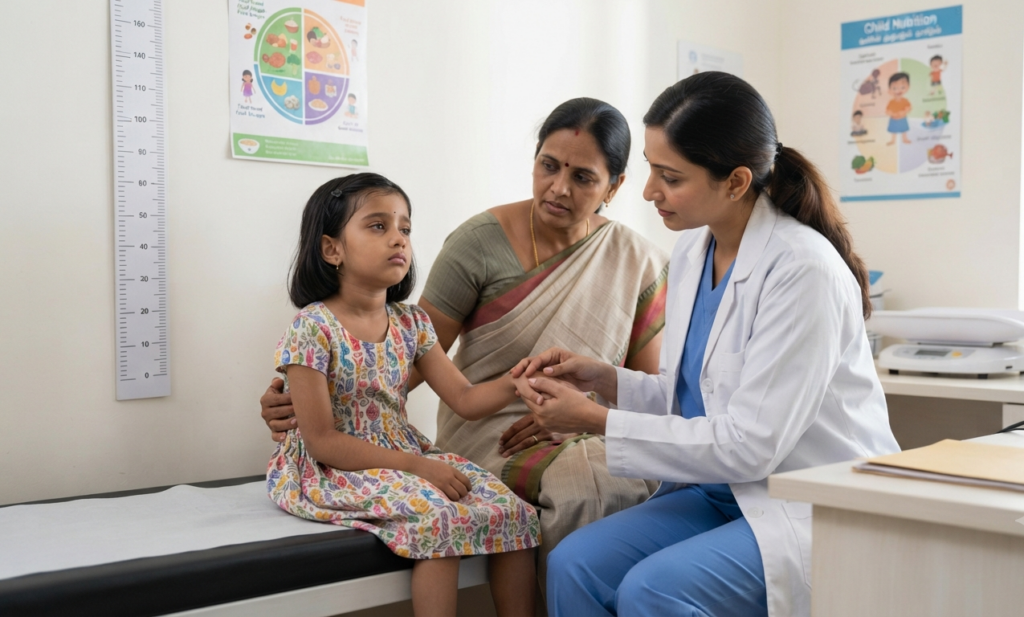
6 Common Nutritional Deficiencies in Children
Different nutrients support different functions in a growing child’s body. The following are some common deficiencies parents should understand.
1. Iron Deficiency
Iron helps the body produce haemoglobin, which carries oxygen through the blood. Iron deficiency can lead to anaemia and may affect a child’s energy levels, concentration and development.
Common warning signs:
- Unusual tiredness and weakness.
- Pale skin.
- Reduced appetite.
- Frequent complaints of headaches.
- Difficulty concentrating.
- Irritability.
Iron deficiency in children may occur due to inadequate dietary iron intake or increased nutritional requirements during growth. Foods such as lentils, beans, leafy vegetables, eggs and meat can help provide dietary iron.
2. Vitamin D Deficiency
Vitamin D supports calcium absorption and helps maintain healthy bones and teeth. It also contributes to normal muscle and immune function.
Common warning signs:
- Bone discomfort or pain.
- Muscle weakness.
- Delayed growth.
- Frequent bone-related concerns.
- In severe cases, rickets in children.
Vitamin D deficiency can occur due to inadequate dietary intake, limited sunlight exposure or certain medical conditions. Fortified foods, eggs and suitable fish varieties can contribute to vitamin D intake.
3. Calcium Deficiency
Calcium is essential for developing strong bones and teeth. It also supports muscle contraction and normal nerve function.
Possible signs include:
- Muscle cramps.
- Tingling sensations.
- Bone development concerns.
- Dental health problems.
- Muscle discomfort.
Milk, yoghurt, cheese, ragi, sesame seeds and calcium-fortified foods are useful dietary sources of calcium.
4. Vitamin B12 Deficiency
Vitamin B12 supports red blood cell production, nerve function and brain development. Children who consume very limited animal-based foods or have certain absorption problems may be at increased risk.
Warning signs may include:
- Persistent tiredness.
- Weakness.
- Poor appetite.
- Developmental concerns.
- Tingling or numbness in severe cases.
Milk, dairy products, eggs, fish and meat are dietary sources of vitamin B12. Children following vegetarian or vegan diets may require professional dietary assessment.
5. Vitamin A Deficiency
Vitamin A supports normal vision, immune function and healthy skin. It is particularly important for children’s growth and development.
Possible warning signs include:
- Difficulty seeing in low light.
- Dry eyes.
- Frequent infections.
- Dry skin.
- Eye-related health concerns.
Carrots, sweet potatoes, spinach, pumpkin, mangoes and other vitamin A-rich foods can help support adequate intake.
6. Protein Deficiency
Protein is essential for muscle development, tissue repair, immune function and overall growth. Insufficient protein intake over time can contribute to poor growth and nutritional problems.
Common warning signs:
- Slow physical growth.
- Reduced muscle development.
- Weakness and fatigue.
- Poor wound healing.
- Increased susceptibility to infections.
Include protein-rich foods such as pulses, beans, lentils, eggs, milk, yoghurt, fish and lean meat in children’s diets.
What Are the Warning Signs of Childhood Malnutrition?
Childhood malnutrition can present differently depending on the type and severity of nutritional deficiency. Parents should observe changes in their child’s physical development, appetite and general health.
Some important warning signs include:
- Poor weight gain or unexpected weight loss.
- Slow height growth.
- Persistent tiredness and weakness.
- Frequent infections.
- Pale skin or unusual changes in appearance.
- Poor appetite or difficulty eating.
- Delayed developmental milestones.
- Changes in hair and skin health.
If these symptoms persist, consult a qualified healthcare professional. A Pediatric Doctor in Chennai can assess the child’s growth pattern, dietary habits and medical history to identify possible nutritional concerns.
How Can Parents Prevent Nutritional Deficiencies in Children?
A balanced diet and healthy eating habits can help reduce the risk of nutritional deficiencies. Parents can support their children’s nutritional needs through simple everyday practices.
Include a Variety of Nutrient-Rich Foods
Provide meals containing vegetables, fruits, whole grains, pulses, dairy products and suitable protein sources. Offering different food groups helps children receive a wider range of essential nutrients.
Encourage Healthy Eating Habits
Establish regular meal and snack times. Encourage children to try different foods without forcing them to eat.
Support Adequate Hydration
Ensure children drink sufficient water throughout the day. Adequate hydration supports digestion and normal body functions.
Monitor Growth and Development
Regularly monitor your child’s height and weight with the help of a healthcare professional. Growth charts can help identify unusual growth patterns that may require further evaluation.
Avoid Unnecessary Supplements
Do not give vitamin or mineral supplements without appropriate medical advice. Excessive intake of certain nutrients can also cause health problems.
When Should Parents Consult a Paediatrician?
Not every change in appetite or energy level indicates a nutritional deficiency. However, persistent symptoms should not be ignored.
Parents should consider medical consultation if their child experiences:
- Poor weight gain or delayed growth.
- Persistent fatigue or weakness.
- Repeated infections.
- Ongoing appetite loss.
- Suspected vitamin or mineral deficiencies.
- Developmental delays or unusual changes in behaviour.
A healthcare professional may recommend growth assessment, dietary evaluation and blood tests when clinically necessary.
Families searching for the Best Pediatric Hospital in Padur can consider a paediatric consultation when their child shows persistent nutritional or developmental concerns. Early evaluation can help identify underlying issues and guide appropriate care.
Paediatric Healthcare at Supreme Hospitals, Padur, Chennai
Children require appropriate medical attention at every stage of growth. From newborn health assessments to childhood nutritional concerns, regular paediatric care helps monitor development and identify potential health problems.
At Supreme Hospitals, Padur, Chennai, the Paediatrics Department provides healthcare support for children through medical consultations, health assessments and guidance for parents.
Families looking for the Best Pediatric Hospital in Chennai can explore the hospital’s healthcare services and paediatric consultation facilities.
For parents seeking guidance from the Best Hospital in Chennai for their children’s healthcare needs, timely medical consultation and preventive health assessments are important steps towards supporting healthy growth.
Visit Supreme Hospitals to learn more about the available healthcare services.
Frequently Asked Questions (FAQs)
1. What are the most common nutritional deficiencies in children?
Iron, vitamin D, calcium, vitamin B12, vitamin A and protein deficiencies are among the nutritional concerns that can affect children.
2. What are the early signs of nutritional deficiency in children?
Common signs include tiredness, poor appetite, pale skin, slow growth, frequent infections and weakness. Symptoms vary depending on the nutrient involved.
3. What causes childhood malnutrition?
Childhood malnutrition can result from an unbalanced diet, insufficient nutrient intake, poor absorption, increased nutritional requirements or underlying medical conditions.
4. Which foods help prevent nutritional deficiencies in children?
Fruits, vegetables, whole grains, pulses, dairy products, eggs, nuts and suitable protein sources help provide essential nutrients for children’s growth.
5. When should I consult a paediatrician for nutritional deficiencies?
Consult a paediatrician if your child has persistent fatigue, poor weight gain, reduced appetite, delayed growth or other symptoms that may indicate a nutritional problem.
6. Can nutritional deficiencies affect a child’s growth and development?
Yes. Prolonged nutritional deficiencies can affect physical growth, brain development, immunity and overall health. Early identification and appropriate management are important.