



Knee pain while walking can make everyday activities such as climbing stairs, shopping or taking a short walk uncomfortable. The pain may develop gradually or appear suddenly after an injury. Common causes include knee osteoarthritis, ligament injuries, cartilage damage, tendon inflammation and muscle weakness. Identifying the reason behind the discomfort is important because the right treatment depends on the underlying condition.
According to the World Health Organization (WHO), approximately 528 million people worldwide were living with osteoarthritis in 2019, with the knee being the most commonly affected joint.
If you experience recurring knee pain, swelling or stiffness, do not ignore these symptoms. Understanding the possible causes, recognising warning signs and seeking timely medical advice can help you protect your joint health and maintain mobility.
What Causes Knee Pain While Walking?
Knee pain while walking can develop when the structures that support the knee joint become irritated, damaged or weakened. The knee contains bones, cartilage, ligaments, tendons and muscles that work together to support body weight and movement. Problems affecting any of these structures can cause discomfort during walking.
Knee Osteoarthritis
Osteoarthritis develops when the protective cartilage inside a joint gradually wears down. This can cause pain, stiffness and reduced movement. People with knee osteoarthritis may notice discomfort after walking for long periods, standing or climbing stairs. Symptoms may become more noticeable after periods of inactivity.
Knee Ligament Injuries
Ligaments connect the bones around the knee and help keep the joint stable. Injuries to the anterior cruciate ligament (ACL), medial collateral ligament (MCL) or other supporting ligaments can cause pain, swelling and instability. These injuries may occur during sports, sudden turns, falls or accidents.
Knee Cartilage Damage
Cartilage helps reduce friction between the bones in the knee. Damage to the cartilage or a tear in the meniscus can cause pain during movement. Some people also experience clicking, swelling or difficulty bending the knee.
Tendonitis and Overuse
Repeated activities such as running, jumping or frequent stair climbing can irritate the tendons around the knee. Patellar tendonitis, for example, affects the tendon connecting the kneecap to the shinbone. It may cause pain during walking, running or bending.
Muscle Weakness and Excess Body Weight
Weak thigh and hip muscles may provide less support to the knee joint. Excess body weight can also increase the load placed on the knees during daily activities. Together, these factors may contribute to discomfort and reduced mobility.
Understanding the cause of knee pain helps an orthopaedic specialist recommend an appropriate treatment plan.
Common Symptoms That May Accompany Knee Pain
Knee pain does not always feel the same. The location, intensity and duration of discomfort can vary depending on the underlying condition.
Swelling may cause the knee to appear enlarged or feel uncomfortable after physical activity or an injury. Stiffness can make it difficult to straighten or bend the knee, particularly after sitting for a long time.
Some people experience pain while climbing stairs or walking on uneven surfaces. Clicking or popping sounds may also occur during movement. Although these sounds are not always a sign of serious damage, painful clicking, locking or repeated instability needs medical assessment.
Other symptoms may include:
- Swelling around the knee joint.
- Difficulty bending or straightening the leg.
- Pain while standing or walking.
- Weakness or a feeling that the knee may give way.
- Reduced movement and flexibility.
- Discomfort after prolonged sitting or physical activity.
Pay attention to when the symptoms appear. For example, knee pain after walking may suggest a different pattern from pain that occurs immediately after an injury. Note whether the discomfort affects one knee or both, and whether swelling or stiffness accompanies it.
These details can help your doctor understand the problem and decide whether further investigations are necessary.
Why Does Knee Pain Increase While Walking?
Walking repeatedly bends and straightens the knee while transferring body weight through the joint. When a structure inside or around the knee becomes irritated or injured, this repeated movement can trigger discomfort.
The reason may depend on where you feel the pain.
Pain at the front of the knee may be associated with kneecap-related problems or patellar tendon irritation. Pain on the inner side can occur with meniscus injuries, ligament problems or osteoarthritis. Pain on the outer side may involve the lateral meniscus, ligaments or surrounding tendons. Pain behind the knee can occur with tendon problems, joint conditions or a Baker’s cyst.
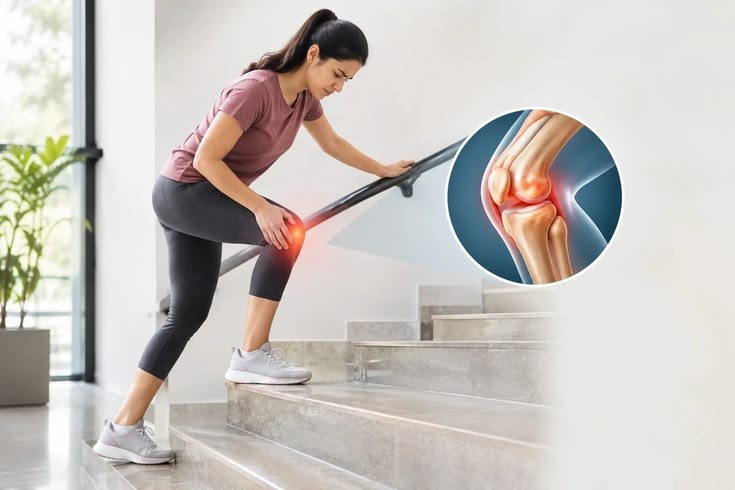
Walking upstairs may increase discomfort because the activity places additional demands on the muscles and structures supporting the knee.
Walking for longer than usual, wearing unsuitable footwear or suddenly increasing exercise intensity may also aggravate existing knee problems.
Do not assume that every case of knee pain comes from ageing or overuse. Persistent pain, repeated swelling or difficulty walking deserves medical evaluation.
How Is Knee Pain Diagnosed?
An accurate diagnosis helps identify the cause of knee pain and guides treatment. An orthopaedic doctor usually begins by understanding your symptoms, medical history and recent physical activities.
Your doctor may ask when the pain started, where it occurs, whether you have experienced an injury and which activities make it worse. This information helps narrow down the possible causes.
During a physical examination, the doctor checks knee movement, swelling, tenderness, muscle strength and joint stability. You may also be asked to walk or bend your knee to understand how the joint functions.
Depending on the suspected condition, your doctor may recommend imaging tests.
An X-ray helps assess bone alignment, joint space and signs of osteoarthritis. An MRI provides detailed images of soft tissues, including ligaments, cartilage and menisci. An ultrasound may help assess certain tendons, fluid collections and surrounding soft tissues.
Not everyone needs every test. Your doctor will recommend investigations based on your symptoms and examination findings.
Knee Pain Treatment Options
The right knee pain treatment depends on the cause, severity and impact of the condition on your daily activities. Many people can begin with non-surgical treatment, while some injuries or advanced joint conditions may require specialist intervention.
Rest and Activity Modification
Temporarily reducing activities that aggravate the pain can help prevent further irritation. However, prolonged inactivity may contribute to stiffness and muscle weakness. Your doctor can guide you on suitable activity levels during recovery.
Physiotherapy and Strengthening Exercises
Physiotherapy can help improve knee movement, muscle strength, flexibility and joint stability. A physiotherapist may recommend exercises that strengthen the quadriceps, hamstrings and hip muscles.
Depending on your condition, the programme may include straight-leg raises, quadriceps strengthening, hamstring stretches, gentle range-of-motion exercises and low-impact activities such as stationary cycling.
Avoid starting intense knee pain exercises without professional guidance, particularly if you have swelling, an injury or significant difficulty bearing weight.
Medication and Other Treatments
A doctor may recommend suitable pain-relief or anti-inflammatory medication based on your health history and diagnosis. Some patients may benefit from additional treatment options, depending on their condition.
Avoid self-medicating or using painkillers for extended periods without medical advice.
Surgical Treatment When Necessary
Some conditions, including severe ligament injuries, certain meniscus tears and advanced joint damage, may require surgery. Procedures vary depending on the injury and the patient’s overall health.
An orthopaedic specialist will discuss the potential benefits, risks and alternatives before recommending surgery. Not every person with knee pain needs an operation.
For professional assessment and treatment guidance, visit the Orthopaedics Department at Supreme Hospitals.
How to Relieve Knee Pain While Walking
If walking causes knee discomfort, a few practical changes may help reduce strain while you arrange an appropriate medical assessment.
Choose comfortable footwear that provides suitable support and fits properly. Avoid suddenly increasing your walking distance or exercise intensity. If prolonged walking aggravates your symptoms, take breaks and rest when needed.
A cold pack wrapped in a towel may help manage swelling after activity. Avoid applying ice directly to the skin.
Maintaining a healthy weight may reduce the load placed on the knee joints. Gentle strengthening and mobility exercises can also support joint function when recommended by a healthcare professional.
Temporarily reduce activities such as deep squats, jumping or repeated stair climbing if they aggravate your symptoms.
These measures may help manage mild discomfort, but they do not replace medical treatment when an underlying injury or joint condition is present.
For further guidance on managing knee symptoms, the NHS guide to knee pain offers useful information about symptoms, self-care and when to seek medical attention.
When Should You See an Orthopaedic Doctor?
Occasional knee discomfort may improve with appropriate rest and activity modification. However, persistent or severe symptoms need medical attention.
Consult an orthopaedic doctor if knee pain continues or repeatedly returns, swelling does not improve, or you find it difficult to bend or straighten your knee. Pain that affects walking or daily activities, a feeling that your knee is unstable, or discomfort following a fall or sports injury also requires assessment.
Seek urgent medical attention if you cannot put weight on your knee, the joint looks deformed, it becomes severely swollen, or you develop a hot, red knee with fever. These symptoms may indicate a condition that needs prompt assessment.
If you are looking for knee pain treatment in Chennai, an orthopaedic assessment can help identify the underlying problem and determine the next steps.
Frequently Asked Questions
Why Does My Knee Hurt When Walking?
Knee pain while walking can result from osteoarthritis, ligament injuries, cartilage damage, tendonitis, muscle weakness or overuse. A medical examination can help identify the specific cause.
Why Does My Knee Hurt When Walking Upstairs?
Walking upstairs increases the demand on the muscles and structures supporting the knee. Patellofemoral pain, osteoarthritis and tendon problems can cause discomfort during stair climbing.
How Can I Relieve Knee Pain After Walking?
Rest from activities that aggravate the pain, wear supportive footwear and consider a cold pack for swelling. Gentle exercises may help when appropriate, but persistent discomfort requires medical assessment.
Can Knee Pain Be Treated Without Surgery?
Yes. Many knee conditions respond to non-surgical approaches such as physiotherapy, activity modification, appropriate medication and guided exercises. However, treatment depends on the underlying diagnosis.
Can Knee Exercises Reduce Pain?
Suitable exercises can strengthen the muscles supporting the knee, improve flexibility and support joint function. A physiotherapist can recommend exercises based on your condition and physical ability.
When Should I Consult a Knee Specialist?
Consult an orthopaedic specialist if knee pain persists, affects walking, causes repeated swelling or limits joint movement. Seek urgent care for severe pain, deformity, inability to bear weight or a hot, swollen knee with fever.
Get the Right Care for Knee Pain at Supreme Hospitals
Knee pain while walking can affect your mobility, independence and everyday activities. Identifying the underlying cause is the first step towards effective treatment. An orthopaedic assessment can help determine whether you need physiotherapy, medication, guided exercises or another treatment approach.
If knee discomfort is affecting your daily activities, consult the Orthopaedics Department at Supreme Hospitals, Padur, OMR, Chennai. The team can assess your symptoms and guide you towards suitable treatment options.
Explore the Orthopaedics Department at Supreme Hospitals and take the next step towards better joint health.
Author Bio
Dr. F. Abdul Khader MBBS, MS Ortho, MCh Ortho
Dr. F. Abdul Khader is an orthopaedic consultant specialising in bone and joint surgery, spine care and joint replacement. He focuses on evaluating musculoskeletal conditions and helping patients understand suitable treatment options based on their individual needs.
Dr. Thirumal MBBS, Dip Ortho, FSS Spine, FMAS
Dr. Thirumal is an orthopaedic consultant specialising in spine surgery and minimally invasive joint care. His clinical interests include the assessment and management of spine-related conditions and joint problems, with treatment approaches tailored to each patient’s condition.
Medical Disclaimer
The information provided in this article is intended for general educational purposes only. It should not be considered a substitute for professional medical advice, diagnosis or treatment. Knee pain and other musculoskeletal conditions can have different underlying causes. Consult a qualified orthopaedic specialist for an appropriate evaluation and treatment plan. Do not delay seeking medical attention because of information you have read online.