



Surgery is an important part of treating many health conditions, but recovery doesn’t end when the procedure is complete. Surgical wounds need proper care and time to heal.
Most surgical wounds heal without serious problems. However, an infected surgical wound can develop when bacteria enter the incision and cause an infection. Recognising the early warning signs can help you seek medical care at the right time.
What Is a Surgical Wound Infection?
A surgical site infection (SSI) is an infection that develops around the area where surgery was performed. It may affect the skin and tissues around the incision or, in some cases, deeper tissues.
Some redness, tenderness and swelling can be expected after surgery, especially during the first few days. These symptoms should generally improve as healing progresses.
If the wound becomes increasingly painful, swollen, red, or starts producing unusual discharge, it may need medical evaluation. The General Surgery Department at Supreme Hospitals provides surgical evaluation and care for patients with a range of surgical conditions.
Signs of an Infected Surgical Wound
Understanding common wound infection symptoms can help you recognise when a surgical wound may need attention.
1. Increasing Redness
Some redness around a fresh incision can be part of normal healing. However, redness that spreads around the wound or becomes more noticeable over time may be a warning sign.
It is useful to observe how the wound changes from day to day rather than focusing on a single appearance.
2. Worsening Pain
Pain after surgery is common, but it should generally become easier to manage as recovery progresses.
If pain around the incision becomes stronger after initially improving, particularly when accompanied by swelling, redness or discharge, it could indicate an infected surgical wound.
3. Swelling and Warmth
A small amount of swelling may occur following surgery. Increasing swelling or skin that feels unusually warm around the incision can indicate inflammation or infection.
A doctor can determine whether these changes are part of normal healing or require treatment.
4. Pus or Unusual Discharge
Some fluid may be present around a healing wound. However, thick, cloudy, yellow or green discharge can be a sign of infection.
Pus coming from the incision should not be ignored, particularly if it occurs together with pain, redness or swelling.
5. Foul-Smelling Wound
An unusual or unpleasant smell from a surgical wound, especially when accompanied by discharge, may indicate infection.
Avoid applying powders, oils, creams or home remedies to the wound unless they have been recommended by your healthcare professional.
6. Fever or Chills
Fever can occur for different reasons after surgery. However, fever accompanied by worsening wound symptoms should be assessed by a healthcare professional.
Chills, unusual weakness or a general feeling of being unwell can also warrant medical attention.
7. The Wound Starts Opening
A surgical incision that starts to separate or open needs medical assessment.
Wound separation can occur for several reasons, including infection and problems with healing. Do not attempt to close the wound yourself.
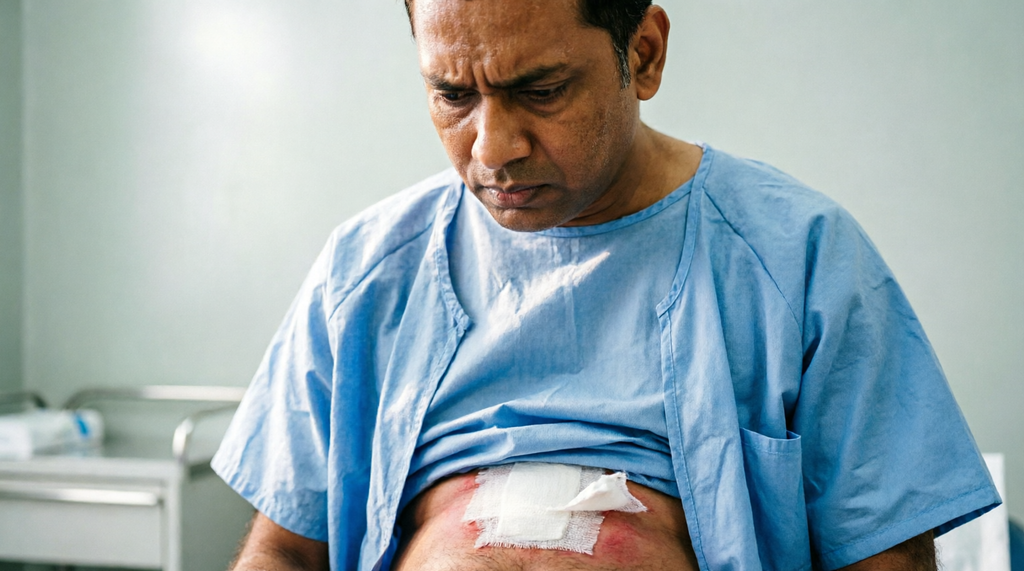
When Should You Seek Medical Care?
Contact your doctor if you notice:
- Increasing redness around the incision
- Worsening pain
- Increasing swelling or warmth
- Pus or unusual discharge
- Foul-smelling discharge
- Fever or chills
- Redness spreading away from the incision
- The wound opening or separating
- Feeling increasingly unwell after surgery
If you have severe symptoms or feel that your condition is rapidly worsening, seek urgent medical attention.
For non-emergency concerns about a surgical wound, you can book an appointment with Supreme Hospitals for appropriate medical evaluation.
What Causes a Surgical Site Infection?
A surgical site infection can occur when microorganisms enter the surgical wound. The risk varies depending on factors such as the type and duration of surgery, the location of the incision and the patient’s overall health.
Certain conditions and circumstances can increase the risk, including diabetes, reduced immunity, smoking and some complex or emergency procedures.
Having a risk factor does not mean that an infection will definitely develop. Proper wound care, appropriate follow-up and following the surgical team’s instructions can help support recovery.
How Is an Infected Surgical Wound Treated?
Treatment depends on the location and severity of the infection.
A healthcare professional may examine the wound and assess symptoms such as redness, swelling, pain, discharge and fever. Depending on the findings, treatment may involve wound cleaning and dressing, drainage of an abscess or antibiotics when clinically appropriate.
More serious infections may require additional treatment or hospital care.
Do not start antibiotics without medical advice. The appropriate treatment depends on the suspected cause, severity of the infection and the patient’s individual circumstances.
How Should You Care for a Surgical Wound?
Following the instructions provided by your surgical team is one of the most important parts of recovery.
General wound-care measures may include:
- Wash your hands before touching the wound or changing a dressing.
- Follow the dressing instructions provided by your healthcare team.
- Avoid unnecessary touching or scratching of the incision.
- Keep the wound dry if advised by your healthcare professional.
- Do not apply creams, oils, powders or home remedies unless recommended.
- Take prescribed medicines as instructed.
- Attend scheduled follow-up appointments.
- Report any significant changes in the wound to your healthcare provider.
Wound-care instructions can differ depending on the type of surgery, so always follow the advice given by your own healthcare team.
Can You Prevent a Wound Infection After Surgery?
Not every infection can be prevented, but proper wound care can reduce the risk.
Before leaving the hospital, make sure you understand how to care for your incision, when to change the dressing and which symptoms require medical attention.
Good hand hygiene, taking prescribed medicines correctly and attending follow-up appointments can also support safe recovery.
People with conditions such as diabetes should follow their healthcare team’s advice carefully, as blood glucose management can affect wound healing.
Wound Infection After Surgery: Pay Attention to Changes
A surgical wound may not look completely normal immediately after an operation. Mild discomfort, limited redness and some swelling can occur during the early stages of healing.
What matters is how the wound changes over time.
Increasing pain, spreading redness, pus, unusual discharge, worsening swelling, fever or wound separation should not simply be dismissed as part of recovery. Early medical assessment can help identify an infection and determine appropriate treatment.
If you are concerned about a surgical wound or need medical care after surgery, Supreme Hospitals provides medical and surgical services in the OMR region of Chennai.
Frequently Asked Questions
How do I know if my surgical wound is infected?
Increasing redness, worsening pain, swelling, warmth, pus, unusual discharge, fever or wound separation can be warning signs. A healthcare professional should assess the wound to determine whether an infection is present.
Is redness normal after surgery?
Mild redness around a new incision can occur during normal healing. Redness that spreads or becomes increasingly prominent, especially when accompanied by pain or discharge, should be medically assessed.
Can an infected surgical wound heal on its own?
A suspected surgical infection should not be ignored. Treatment depends on its cause and severity, so medical assessment is important when infection symptoms develop.
How long after surgery can a wound infection develop?
A surgical site infection can develop during the recovery period, and the timing varies depending on the procedure and type of infection. Follow your surgical team’s wound-care and follow-up instructions.
Should I apply antibiotic cream to my surgical wound?
Do not apply antibiotic creams or other products unless your healthcare professional recommends them. Different wounds may require different types of care or dressings.
Get Medical Advice for Wound Infection Symptoms
An incision that is becoming increasingly painful, red, swollen or producing pus should be assessed rather than treated with home remedies alone.
If you notice possible signs of a surgical wound infection, speak with a qualified healthcare professional for an appropriate evaluation and treatment plan.