



Dengue is a mosquito-borne viral infection that can cause symptoms ranging from a mild fever to a serious illness requiring medical care. Recognising the common dengue symptoms and knowing when to seek medical attention can help with timely diagnosis and treatment.
Dengue is mainly spread through the bite of infected Aedes mosquitoes. Symptoms usually develop after the infection and may initially look similar to other viral illnesses.
What Are the Common Symptoms of Dengue?
The most common dengue fever symptoms include sudden high fever, severe headache, pain behind the eyes, muscle and joint pain, nausea, vomiting and skin rash. Tiredness and reduced appetite can also occur.
Not everyone experiences the same symptoms. Since dengue can resemble other infections, symptoms alone cannot confirm the diagnosis.
Early Symptoms of Dengue Fever
Early symptoms of dengue often begin with a sudden fever. Headache, body pain, pain behind the eyes, nausea and general weakness may follow.
Some people may also develop a skin rash. If a high fever continues or other symptoms become worse, medical evaluation can help determine whether a dengue test is required.
Dengue Symptoms in Adults
Dengue symptoms in adults commonly include high fever, headache, body aches, joint pain, nausea, vomiting and rash. Fatigue can remain even after the fever improves.
Adults should continue monitoring their condition even when the fever begins to settle, as warning signs can sometimes develop around this stage.
Dengue Symptoms in Children
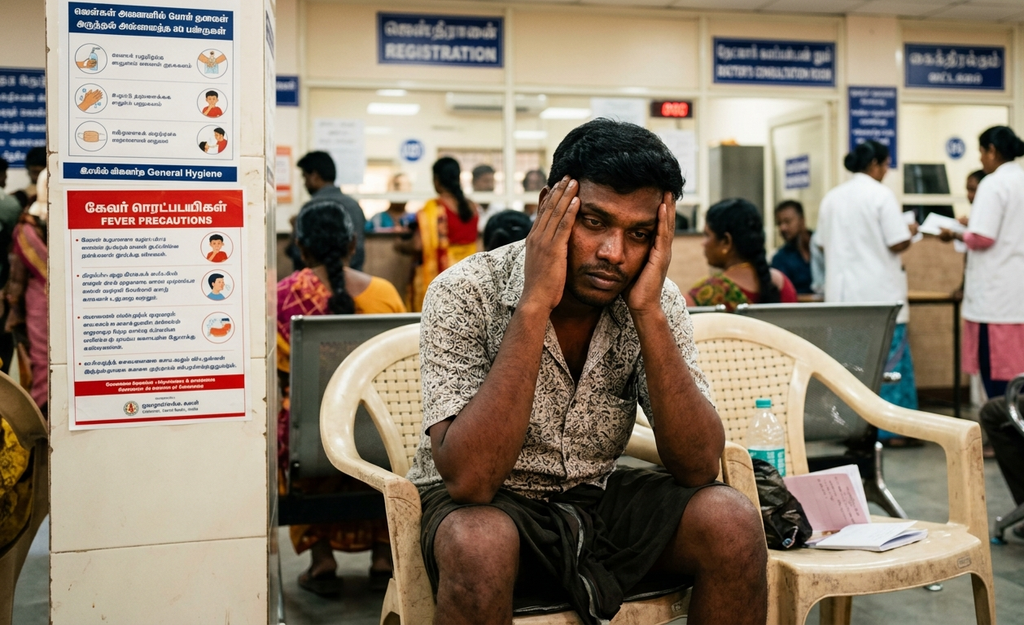
Dengue symptoms in children may be harder to identify because younger children may not be able to explain symptoms such as headache or body pain.
Parents should pay particular attention to persistent fever, vomiting, poor fluid intake, and unusual sleepiness or irritability. If the child’s condition worsens or they cannot drink enough fluids, seek medical attention promptly.
For children with concerning symptoms, consult the Pediatrics Department at Supreme Hospitals to determine the appropriate evaluation.
Warning Signs of Severe Dengue
Most people recover from dengue without severe complications, but some can develop severe dengue. Warning signs may appear when the fever starts to decrease.
Important dengue warning signs include severe abdominal pain, persistent vomiting, unusual bleeding, extreme weakness, difficulty breathing, unusual sleepiness or restlessness, and reduced urine output.
These symptoms require prompt medical attention rather than waiting for the illness to improve on its own.
When Should You Get a Dengue Test?
A dengue test may be recommended when your symptoms and clinical examination suggest dengue. The most appropriate test can depend on how many days have passed since the fever began.
Tests such as NS1 antigen testing and molecular tests are generally useful during the early phase, while antibody testing may become more useful later. A doctor can recommend the appropriate test based on the timing of symptoms.
A platelet count may also be monitored during dengue, but platelet levels alone cannot confirm or rule out the infection. Doctors consider the complete clinical picture when assessing a patient.
How Does Dengue Spread?
Dengue is mainly transmitted through infected Aedes mosquitoes. These mosquitoes can breed in stagnant water around homes, workplaces and other areas.
Reducing mosquito breeding sites, removing stagnant water, using mosquito repellents and protecting yourself from mosquito bites can help reduce the risk of dengue.
Dengue Treatment and Recovery
There is no specific antiviral medicine that cures dengue. Treatment generally focuses on rest, adequate fluid intake, monitoring and managing symptoms under medical guidance.
Avoid self-medicating with medicines such as aspirin or ibuprofen unless advised by a healthcare professional, as some medicines can increase bleeding risk.
Patients with severe symptoms may require hospital monitoring and supportive care. If you are looking for dengue treatment in Chennai, Supreme Hospitals provides medical care for patients in Chennai and the OMR region.
When Should You See a Doctor for Dengue Symptoms?
Medical evaluation is advisable if you develop persistent fever along with symptoms associated with dengue, particularly during periods of increased dengue activity.
Seek urgent medical attention if you experience severe abdominal pain, repeated vomiting, unusual bleeding, breathing difficulty, extreme weakness, reduced urine output or a sudden worsening of your condition.
If you are concerned about dengue symptoms in Chennai, consult the General Medicine Department for evaluation and appropriate medical care.
Frequently Asked Questions
What are the first symptoms of dengue?
Sudden fever, headache, body pain, pain behind the eyes, nausea and weakness are common early symptoms.
How long do dengue symptoms last?
The duration varies between individuals. Fever usually lasts several days, while tiredness and weakness may continue during recovery.
Can dengue occur without a rash?
Yes. A rash is a possible symptom but does not occur in every person with dengue.
Does a low platelet count confirm dengue?
No. A low platelet count can occur with several conditions. Dengue requires appropriate testing and clinical assessment.
When should I get a dengue test?
The timing and type of test depend on how long you have had symptoms. A doctor can recommend the appropriate test based on your illness and clinical findings.
Are dengue symptoms different in children?
Children can experience similar symptoms, but they may have difficulty describing headache or body pain. Parents should monitor fever, vomiting, fluid intake and changes in behaviour closely.
Medical Disclaimer: This article is for general health information and does not replace consultation with a qualified healthcare professional. Dengue diagnosis and treatment should be based on medical evaluation and appropriate testing.