



Pain in the chest can be worrying, especially when it appears suddenly or without an obvious reason. Right Side Chest Pain can happen for many reasons, including muscle strain, rib injuries, acid reflux, respiratory conditions, anxiety, and, in some cases, heart-related problems.
Although pain on the right side of the chest is not always related to the heart, it should not be dismissed. Severe, sudden, persistent, or unexplained chest pain needs medical attention, particularly when it occurs with breathing difficulty, dizziness, sweating, or fainting.
Knowing the possible right side chest pain causes and recognizing warning signs can help you decide when to seek medical care.
What Is Right Side Chest Pain?
Right Side Chest Pain refers to discomfort felt on the right side of the chest. It may feel sharp, dull, aching, burning, or stabbing. Some people may notice that the pain becomes worse when they move, cough, or take a deep breath.
The location of the pain does not always reveal its cause. Chest discomfort can come from the muscles, ribs, lungs, digestive system, heart, or other structures in and around the chest.
A doctor may need to examine you and perform certain tests to determine what is causing the pain.
Right Side Chest Pain Causes
There are several possible right side chest pain causes. Some are minor, while others may require prompt or emergency treatment.
Muscle Strain
A strained chest muscle can develop after exercise, heavy lifting, coughing, or a sudden movement. The pain may become more noticeable when you move your upper body or press on the affected area.
Rib Injury
A bruised or fractured rib can cause localized Right Chest Pain. The discomfort may become worse when you take a deep breath, cough, sneeze, or move your upper body.
Acid Reflux and Digestive Problems
Acid reflux, gas, and bloating can sometimes cause burning or discomfort in the chest. However, it is important not to assume that chest pain is simply caused by indigestion, especially when the pain is severe, new, or persistent.
Lung and Respiratory Conditions
Certain respiratory problems, including pneumonia, pleurisy, pneumothorax, and pulmonary embolism, can cause chest pain. Some of these conditions can be serious and may require immediate medical attention.
Anxiety and Panic Attacks
Anxiety and panic attacks can cause chest tightness, a rapid heartbeat, sweating, dizziness, and shortness of breath. However, new or unexplained chest pain should be assessed by a healthcare professional before it is attributed to anxiety.
Heart-Related Conditions
Heart problems do not always cause pain only in the centre or left side of the chest. Conditions such as angina and heart attack can sometimes cause discomfort in other areas.
For this reason, the location of chest pain alone should not be used to rule out a heart-related problem.
Right Side Chest Pain Symptoms
Right Side Chest Pain Symptoms can vary depending on the underlying cause. You may experience:
- Sharp, aching, or stabbing pain
- Pressure or tightness in the chest
- A burning sensation
- Pain that becomes worse with movement or deep breathing
- Tenderness in the chest wall
- Shortness of breath
- Cough or fever
- Dizziness or fainting
- Nausea or sweating
- A rapid or irregular heartbeat
Pay attention to the symptoms that occur along with chest pain. This information can help your doctor understand what may be causing the discomfort.
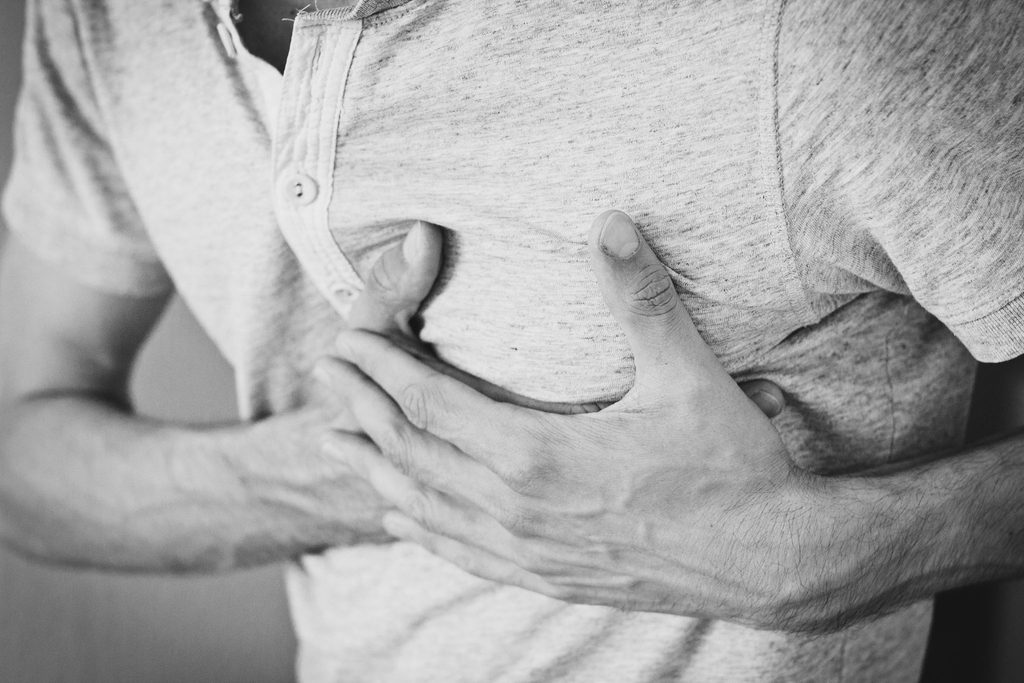
What Does Right Chest Pain When Breathing Mean?
Right Chest Pain When Breathing can have several possible causes. Muscle strain, rib injuries, pneumonia, inflammation around the lungs, and other respiratory conditions can cause pain that becomes more noticeable when you breathe deeply.
Some causes are relatively minor, while others need urgent attention.
When Is Breathing-Related Chest Pain an Emergency?
Seek emergency medical care if chest pain when breathing is accompanied by:
- Severe or sudden difficulty breathing
- Fainting
- Coughing up blood
- Severe dizziness or weakness
- Sudden or intense chest pain
- A very rapid heartbeat
- Bluish lips or skin
- Pain that spreads to the arm, back, neck, or jaw
Do not wait for the symptoms to improve on their own if they are severe or rapidly getting worse.
When Should You Worry About Right Side Chest Pain?
Not every episode of right-sided chest pain indicates a serious problem. However, you should seek prompt medical attention if the pain is sudden, severe, persistent, recurrent, or unexplained.
It is particularly important to get medical help when chest pain occurs with:
- Shortness of breath
- Fainting or severe dizziness
- Cold sweating or nausea
- A rapid or irregular heartbeat
- Pain spreading to the arm, shoulder, back, neck, or jaw
- Coughing up blood
- A significant chest injury
If the symptoms are severe or could indicate a life-threatening condition, seek emergency medical care immediately.
How Is Right Side Chest Pain Diagnosed?
Finding the cause of chest pain usually starts with a discussion about your symptoms and a physical examination. Your doctor may ask when the pain started, what it feels like, whether anything makes it better or worse, and whether you have other symptoms.
Depending on your symptoms and medical history, your doctor may recommend tests such as:
Electrocardiogram
An electrocardiogram (ECG) records the heart’s electrical activity. It can help doctors look for signs of certain heart-related problems.
Blood Tests
Blood tests may be used to look for signs of infection, inflammation, or certain heart-related conditions.
Chest X-Ray
A chest X-ray can help doctors evaluate certain problems involving the lungs, ribs, and other structures within the chest.
Echocardiogram
An echocardiogram uses ultrasound to examine the structure and function of the heart.
Additional Diagnostic Tests
Depending on the suspected cause, your doctor may recommend other investigations, such as a CT scan, cardiac testing, or pulmonary evaluation.
The tests you need will depend on your symptoms and the condition your doctor suspects.
Right Side Chest Pain Treatment
Right Side Chest Pain Treatment depends on what is causing the discomfort. There is no single treatment that works for every type of chest pain.
Treatment for Muscle or Chest-Wall Pain
If muscle strain or chest-wall pain is responsible, treatment may include rest, avoiding activities that worsen the pain, appropriate pain relief, and physical therapy when recommended.
Treatment for Acid Reflux
When acid reflux is the cause, treatment may involve dietary and lifestyle changes along with medicines recommended by a healthcare professional.
Treatment for Respiratory Conditions
Treatment depends on the specific respiratory condition. It may involve medicines, supportive care, or hospital treatment in more serious cases.
Treatment for Heart-Related Conditions
Treatment for a heart-related condition depends on the diagnosis. It may include medication, lifestyle changes, monitoring, or medical procedures.
If your symptoms may be related to your heart, you can consult the Cardiology Department for specialist evaluation and care.
Right Side Chest Pain Treatment in Chennai
If you are looking for Right Side Chest Pain Treatment in Chennai, do not ignore persistent, recurrent, or unexplained chest discomfort.
A doctor can assess your symptoms, identify possible causes, and recommend the appropriate tests or specialist consultation. Seeking medical advice early can also help rule out conditions that may require urgent treatment.
Chest Pain Specialist in Chennai
A Chest Pain Specialist in Chennai can evaluate recurring or unexplained chest discomfort and determine whether further cardiac, respiratory, digestive, or musculoskeletal investigations are needed.
When a heart-related cause is suspected, a cardiac evaluation can help identify the problem and guide the next steps in treatment.
Chest Pain Treatment in OMR
If you are looking for Chest Pain Treatment in OMR, timely medical assessment is important when chest discomfort persists or occurs with symptoms such as breathing difficulty, dizziness, sweating, or fainting.
Supreme Hospitals provides access to medical and specialist care for patients experiencing chest pain and related health concerns.
What Should You Do If You Have Right Side Chest Pain?
If you develop right-sided chest pain, consider the following steps:
- Pay attention to the symptoms: Note when the pain started, how it feels, and whether movement or breathing affects it.
- Avoid strenuous activity: Stop activities that make significant discomfort worse.
- Do not self-diagnose: Avoid assuming that the pain is caused by gas, acidity, anxiety, or muscle strain.
- Seek medical advice: Persistent, recurrent, or unexplained chest pain should be evaluated by a healthcare professional.
- Get emergency help when necessary: Severe chest pain or serious symptoms such as difficulty breathing, fainting, or coughing up blood require immediate medical attention.
Can Right Side Chest Pain Be Prevented?
Not every cause of chest pain can be prevented. However, healthy lifestyle choices can help reduce the risk of some heart and other health conditions.
Helpful habits include:
- Maintaining a healthy weight
- Eating a balanced diet
- Staying physically active
- Avoiding tobacco products
- Managing blood pressure, blood sugar, and cholesterol
- Following treatment plans for existing health conditions
- Attending regular health check-ups
Key Takeaways
- Right Side Chest Pain can have many causes, including muscle strain, rib injuries, digestive problems, respiratory conditions, and cardiovascular problems.
- Right Chest Pain When Breathing may be related to muscle, rib, or respiratory conditions.
- Right Side Chest Pain Symptoms should be considered together with the nature and severity of the pain.
- Pain on the right side of the chest does not completely rule out a heart-related problem.
- Right Side Chest Pain Treatment depends on the underlying cause.
- Severe chest pain accompanied by breathing difficulty, fainting, sweating, or coughing up blood requires urgent medical attention.
Frequently Asked Questions
Is Right Side Chest Pain Always Serious?
No. Right Side Chest Pain can result from muscle strain, rib injuries, digestive problems, respiratory conditions, or other causes. However, severe, persistent, recurrent, or unexplained chest pain should be medically evaluated.
Can Gas Cause Right Side Chest Pain?
Yes. Gas, bloating, and acid reflux can sometimes cause chest discomfort. However, chest pain should not automatically be assumed to be caused by gas, particularly when it is severe or accompanied by breathing difficulty, sweating, dizziness, or other warning signs.
Why Does My Right Chest Hurt When I Breathe?
Right Chest Pain When Breathing can occur due to muscle strain, rib injuries, pneumonia, pleurisy, or other respiratory conditions. If the pain is sudden or severe and occurs with difficulty breathing, seek urgent medical attention.
Can Anxiety Cause Right Side Chest Pain?
Yes. Anxiety and panic attacks can cause chest tightness, rapid heartbeat, sweating, dizziness, and shortness of breath. However, new or unexplained chest pain should be evaluated before assuming that anxiety is the cause.
Can Right Side Chest Pain Be Related to the Heart?
Yes. Heart-related conditions can sometimes cause pain on the right side or in other areas of the chest. The location of the pain alone cannot rule out a cardiac cause.
Conclusion
Right-side chest pain can occur for many different reasons, ranging from muscle strain and digestive problems to respiratory and heart-related conditions. Because the location of the pain alone cannot identify its cause, paying attention to other symptoms is important.
Understanding Right Side Chest Pain Symptoms, knowing when to seek medical attention, and getting the right diagnosis can help you receive appropriate treatment.
If you are looking for Chest Pain Treatment in Chennai, a Chest Pain Specialist in Chennai, or Chest Pain Treatment in OMR, Supreme Hospitals can provide medical evaluation and specialist care based on your symptoms and condition.