


Fungal skin infections are among the most common dermatological conditions in India, particularly in warm and humid cities like Chennai. Whether it is persistent itching between the toes, a ring-shaped rash on the body, or discoloured nails, these conditions are highly treatable when diagnosed early by a qualified dermatologist.
This guide covers everything you need to know — symptoms, causes, risk factors, treatment options, and practical prevention tips — reviewed by our consultant dermatologists at Supreme Hospitals, Chennai.
What Is a Fungal Skin Infection?
A fungal skin infection occurs when microscopic fungi multiply excessively on the skin, nails, or scalp. Fungi naturally exist on the human body, but factors like heat, sweat, poor immunity, or skin-to-skin contact can trigger uncontrolled fungal growth.
Common types include:
- Ringworm (Tinea corporis) — circular, scaly rashes on the body
- Athlete’s foot (Tinea pedis) — affects feet and between toes
- Jock itch (Tinea cruris) — affects the groin and inner thighs
- Yeast infection (Candidiasis) — caused by Candida fungus in skin folds
- Fungal nail infection (Onychomycosis) — thickened, discoloured nails
Symptoms of Fungal Skin Infections
Persistent Itching
Itching is often the earliest and most noticeable symptom. It typically worsens after exercise, sweating, or in hot weather — a very common complaint in Chennai’s climate.
Redness and Skin Irritation
The affected area may appear red, inflamed, and feel warm or tender to the touch. Scratching often worsens irritation and increases the risk of secondary bacterial infection.
Circular or Ring-Shaped Rashes
Ringworm classically presents as a circular patch with raised, scaly edges and clearer skin at the centre. The rash may gradually expand if left untreated.
Dry, Peeling, or Cracking Skin
Fungal infections often cause the outer layer of skin to shed. This is especially common in athlete’s foot, where the skin between the toes becomes white, soft, and prone to cracking.
Nail Changes
Fungal nail infections may cause nails to thicken, become yellow or white, turn brittle, or separate from the nail bed. Toenails are more commonly affected than fingernails.
Note: These symptoms can overlap with eczema or psoriasis. Accurate diagnosis by a dermatologist is essential before starting treatment.
Causes and Risk Factors
Fungal infections thrive in warm, moist environments. The following factors increase your risk:
- Excessive sweating — trapped sweat creates ideal conditions for fungal growth
- Hot and humid weather — Chennai’s climate significantly raises risk year-round
- Poor skin hygiene — inadequate cleaning and drying of skin folds
- Tight or non-breathable clothing — traps heat and moisture against the skin
- Sharing personal items — towels, socks, and footwear can spread infections
- Diabetes or weakened immunity — people with diabetes are significantly more vulnerable
- Recent antibiotic use — disrupts the natural balance of skin microorganisms
- Walking barefoot in public areas — gyms, pools, and changing rooms are common sources
Which Areas of the Body Are Commonly Affected?
- Feet and between the toes
- Groin and inner thighs
- Underarms
- Skin folds (under the breasts, abdomen, or neck)
- Scalp and hairline
- Nails (toenails more often than fingernails)
- Hands and palms
Are Fungal Infections Contagious?
Yes — several types can spread from person to person or from animals to humans through:
- Direct skin-to-skin contact with an infected person
- Sharing towels, clothing, or footwear
- Contact with contaminated surfaces (floors, gym equipment)
- Touching infected pets or animals
Starting treatment early and maintaining hygiene significantly reduces the risk of spreading the infection to others.
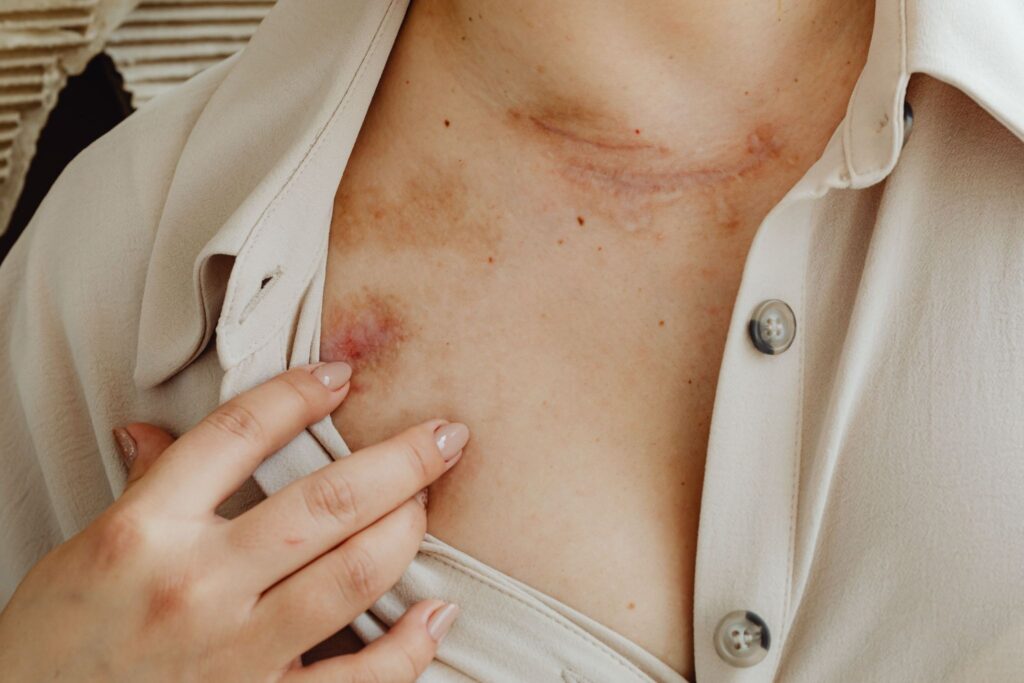
How Are Fungal Skin Infections Diagnosed?
A dermatologist diagnoses fungal infections through visual examination and medical history. The doctor will assess the appearance and pattern of the rash, the location and extent of the infection, how long symptoms have been present, and previous treatments tried.
In some cases, a skin scraping test is performed — a small sample of skin or nail material is examined under a microscope or sent for culture to confirm the type of fungus. This is especially important when the infection is recurring, not responding to standard treatment, or involves the nails or scalp.
Treatment Options for Fungal Skin Infections
Topical Antifungal Creams and Ointments
For mild to moderate infections, doctors prescribe antifungal creams, gels, or powders applied directly to the affected skin. These typically contain clotrimazole, miconazole, or terbinafine. Most topical treatments show improvement within 2–4 weeks.
Oral Antifungal Medicines
Severe, widespread, or recurring infections — especially those affecting the nails or scalp — may require oral antifungal tablets. These are prescription medications and should only be taken under medical supervision.
Medicated Antifungal Shampoos
For scalp fungal infections (tinea capitis), antifungal shampoos containing ketoconazole or selenium sulphide may be recommended alongside oral treatment.
Skin Care During Treatment
- Keep the affected area clean and thoroughly dry
- Change sweat-dampened clothing promptly
- Avoid scratching — it breaks the skin and introduces bacteria
- Complete the full course of medication even if symptoms improve early
- Do not apply steroid creams without medical advice — they can worsen fungal infections
Prevention Tips
- Wash and thoroughly dry skin after bathing, especially between toes and skin folds
- Wear loose, breathable cotton clothing — particularly important in Chennai’s heat
- Change socks and inner garments daily
- Avoid walking barefoot in shared spaces such as gyms, pools, or changing rooms
- Do not share towels, razors, or footwear
- Keep footwear clean and dry; use antifungal powder in shoes if you sweat heavily
- Manage underlying conditions such as diabetes
- Never self-medicate with steroid creams — always consult a dermatologist first
When Should You See a Dermatologist?
Consult a dermatologist if:
- Symptoms do not improve after 2 weeks of treatment
- The infection spreads or worsens
- You notice pain, swelling, pus, or discharge
- The infection affects your nails, scalp, or large areas of the body
- You experience frequent or recurring infections
- You have diabetes, a weakened immune system, or take immunosuppressant medications
Fungal Skin Infection Treatment in Chennai — Supreme Hospitals
At Supreme Hospitals, our Dermatology Department provides specialist evaluation and personalised treatment for a full range of skin conditions — including fungal infections, eczema, psoriasis, hair disorders, and acne.
Our dermatologists use clinical examination and, where necessary, skin tests to confirm the diagnosis and prescribe the most effective treatment plan for your specific infection.
Patients from Chennai, OMR, Padur, and surrounding areas can book an in-person or teleconsultation with our experienced skin specialists.
Frequently Asked Questions
What Are the Earliest Signs of a Fungal Skin Infection?
The earliest signs of a fungal skin infection are usually persistent itching, redness, and mild skin scaling in a localised area. These symptoms commonly develop in warm, moist regions of the body such as the feet, groin, underarms, or skin folds. If the symptoms persist for more than a few days or continue to worsen, it is advisable to consult a dermatologist for an accurate diagnosis and appropriate treatment.
Can Fungal Infections Go Away on Their Own Without Treatment?
Most fungal infections require antifungal treatment to resolve completely. Without treatment, the infection often spreads to nearby skin, becomes more severe, and can be more difficult to eliminate. While very mild cases may improve if excess moisture is removed and hygiene is improved, medical treatment generally provides faster and more reliable results.
Why Do Fungal Infections Keep Coming Back?
Recurring fungal infections are commonly caused by incomplete treatment, continued exposure to contaminated clothing or surfaces, excessive sweating, poor hygiene, or underlying medical conditions such as diabetes and weakened immunity. Identifying and addressing the underlying cause is essential to prevent repeated infections and achieve long-term relief.
Can I Use a Steroid Cream for Itchy Skin?
Steroid creams should not be used on suspected fungal infections unless specifically recommended by a doctor. Although they may temporarily reduce itching and redness, steroids can suppress the skin’s natural immune response and allow the fungal infection to spread more aggressively. This often makes the condition harder to diagnose and treat.
How Long Does It Take to Treat a Fungal Skin Infection?
The treatment duration depends on the type and severity of the infection. Most superficial fungal skin infections improve within 2 to 4 weeks with consistent antifungal treatment. Fungal nail infections require a much longer course of therapy, typically 3 to 6 months for fingernails and up to 12 months for toenails. Completing the full course of treatment is important to prevent recurrence.
Are Fungal Infections More Common in Chennai’s Climate?
Yes. Chennai’s hot and humid climate creates ideal conditions for fungal growth. Frequent sweating, high temperatures, and moisture retention on the skin increase the risk of conditions such as ringworm, athlete’s foot, and jock itch. Wearing breathable clothing, maintaining good hygiene, and keeping the skin dry can help reduce the risk of infection.
Which Specialist Should I See for a Fungal Skin Infection?
A dermatologist is the most appropriate specialist for diagnosing and treating fungal skin, scalp, and nail infections. Dermatologists can accurately identify the type of infection, rule out similar skin conditions, and recommend the most effective antifungal treatment plan based on the individual’s symptoms and medical history.
Medically reviewed by
Dr. R. Gokul, MBBS MD (DVL) DNB (DVL), Consultant Dermatologist, and Dr. Yuwarani M, MBBS MD (Dermatology, Venereology & Leprosy), Consultant Dermatologist — Supreme Hospitals, Chennai.
