



Medically reviewed by: Dr. Rini Ezhil, MBBS, MS (OG), is a Consultant in the Department of Obstetrics and Gynaecology at Supreme Hospitals, Padur, Chennai.
A few decades ago, becoming a mother in your mid-thirties was uncommon. Today, it is quite normal. Many women focus on education, careers and finances first, and start a family later. If you are thinking about pregnancy after 35, the first thing to know is this: most women in this age group go on to have healthy babies.
That said, age does bring some changes. Fertility reduces, certain risks go up, and your pregnancy needs a little more attention. The good news is that most of these concerns can be spotted early and managed well with the right care. This guide explains the chances, the risks, the early signs and the steps that help you have a healthy pregnancy after 35.
What Does Advanced Maternal Age Mean?
Doctors use the term advanced maternal age for a woman who will be 35 or older on her due date. You may also hear it called advanced age pregnancy. It sounds heavy, but it is only a medical label. It helps your doctor decide how closely to monitor you, and it does not mean something will go wrong.
The age of 35 is also a rough marker. Risks rise slowly with age, so the picture for a 36-year-old is different from that of a 42-year-old. Your overall health matters as much as your age.
Chances of Pregnancy After 35
Female fertility by age follows a gradual pattern. According to the American College of Obstetricians and Gynecologists (ACOG), fertility starts to decline around the age of 30, and the decline speeds up after 35. This happens because the number and quality of eggs reduce with time.
What does this mean for the chances of pregnancy after 35?
- Getting pregnant may take longer than it did in your twenties.
- The risk of miscarriage is higher, partly because of egg quality and partly because chronic conditions such as high blood pressure or diabetes become more common with age.
- If you are over 35 and have been trying for six months without success, it is sensible to see a doctor instead of waiting longer.
- After 40, getting pregnant naturally becomes harder, and an early fertility evaluation is often advised.
If you are searching for tips for getting pregnant after 35, remember that timing is everything. The sooner you speak to a specialist, the more options you have.
Is Pregnancy After 35 Safe? Is It High Risk?
Many women ask, “Is pregnancy after 35 safe?” In most cases, yes. A large number of women have smooth pregnancies and normal deliveries in their late thirties and forties. However, doctors do treat pregnancy after 35 as a higher-risk situation, because some complications are more likely. This is the simple answer to why pregnancy after 35 is high risk: the possibility of problems is higher, so closer watching is needed.
Being labelled high risk does not mean your pregnancy will be difficult. It means you will get more frequent check-ups, extra tests and a more careful plan for delivery.
Pregnancy After 35 Risks
Knowing the risks of pregnancy after 35 helps you act early. Here are the common complications in pregnancy after 35:
| Risk | What it means |
| Gestational diabetes | Blood sugar rises during pregnancy and needs diet, exercise and sometimes medicines to control |
| High blood pressure and preeclampsia | Raised blood pressure that can affect the mother’s kidneys and the baby’s growth |
| Chromosomal conditions | Conditions such as Down syndrome become more likely as age increases |
| Twins or multiple pregnancy | More common with age, especially with fertility treatment |
| Preterm birth and low birth weight | Baby may arrive earlier or smaller than expected |
| Caesarean delivery | More likely when complications develop |
| Miscarriage and stillbirth | Risk rises gradually, which is why monitoring matters |
To give you an idea about chromosomal risk, studies suggest that about 1 in 84 pregnancies at age 35 is affected by a chromosome problem, and this rises to about 1 in 40 at age 40. These are still low risks, but they are the reason genetic screening during pregnancy is offered to every woman in this age group.
Pregnancy after 40 risks are somewhat higher still, particularly for preeclampsia, stillbirth and preterm birth. With careful monitoring, though, many women over 40 deliver healthy babies.
Early Signs of Pregnancy After 35
The early signs of pregnancy after 35 are the same as at any other age. You may notice:
- A missed period
- Nausea, with or without vomiting
- Tender or swollen breasts
- Unusual tiredness
- Frequent urination
- Mild cramping or light spotting
If your cycles have become irregular with age, a missed period can be easy to ignore. A home pregnancy test followed by a visit to your gynaecologist is the best way to confirm. Early confirmation lets you begin prenatal care and folic acid without delay.
How to Prepare for Pregnancy After 35
Preparing well is one of the most powerful things you can do. Good preconception counselling gives you a clear plan before you even start trying. Here is how to prepare your body for pregnancy after 35:
- Book a preconception visit. Your doctor will review your medical history, medicines, vaccinations and family history. Conditions such as thyroid problems, diabetes and high blood pressure are best controlled before conception.
- Start folic acid early. A prenatal vitamin taken a few months before conception supports the baby’s development.
- Aim for a healthy weight. Being underweight or overweight can affect both fertility and pregnancy.
- Eat a balanced diet. Include vegetables, fruits, whole grains, pulses, dairy and enough protein.
- Stay active. Walking, yoga and light strength exercises improve stamina and help control blood sugar.
- Avoid smoking, alcohol and tobacco. These affect egg quality and the baby’s health.
- Manage stress and sleep. Both have a quiet but real effect on hormones and wellbeing.
- Consider genetic counselling. This is especially helpful if there is a family history of inherited conditions.
For women who are also managing blood sugar, our diabetology team works together with obstetricians to keep both mother and baby safe.
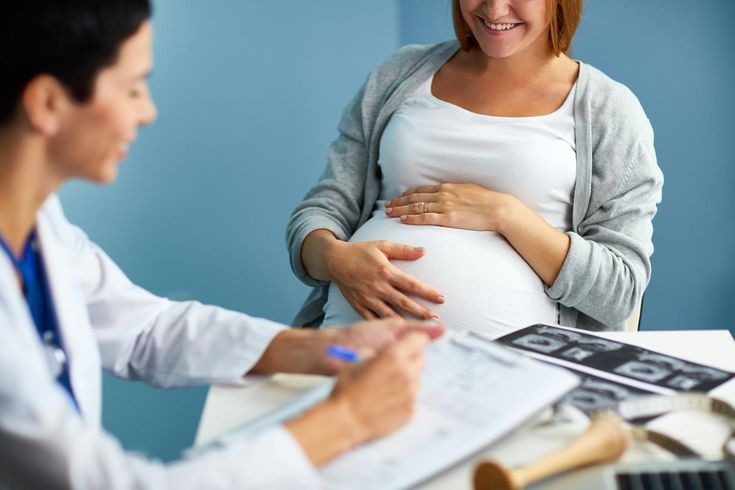
How to Have a Healthy Pregnancy After 35
Once you are pregnant, a few steady habits go a long way toward a healthy pregnancy after 35.
Do not skip prenatal check ups. Regular visits help track your blood pressure, weight, blood sugar and your baby’s growth. The first visit usually happens around eight weeks. Your doctor may also schedule extra scans, particularly in the third trimester.
Consider genetic screening during pregnancy. A blood test known as cell-free DNA screening can be done from about 10 weeks and checks for conditions such as Down syndrome. Other options include the nuchal translucency scan and serum screening. If a screening result is concerning, diagnostic tests such as CVS or amniocentesis can give a definite answer. Testing is your choice, and your doctor will explain each option clearly.
Watch for warning signs. Contact your doctor straight away if you notice a severe headache, blurred vision, sudden swelling of the face or hands, heavy bleeding, fluid leakage, severe abdominal pain or reduced baby movements.
Eat well and move gently. Small, frequent meals, plenty of water and doctor-approved exercise help with energy and blood sugar control.
Plan your delivery together. Depending on your health and any complications, your doctor may suggest delivery around 39 weeks. Caesarean delivery is more common in this age group, but many women still deliver vaginally. The decision should always be based on your situation.
Second Pregnancy After 35
A second pregnancy after 35 is common, and in India it is becoming more so as families plan later. Having had one healthy pregnancy is reassuring, but age-related risks still apply. Be open with your doctor about how your first pregnancy and delivery went, especially if you had gestational diabetes, high blood pressure or a caesarean. Also allow enough recovery time between pregnancies, and check that your iron and vitamin levels are good before you conceive.
How to Increase Pregnancy Chances After 35
If you are wondering how to increase pregnancy chances after 35, these steps help:
- Track your ovulation and time intercourse in the fertile window.
- Maintain a healthy weight and active routine.
- Limit caffeine and avoid smoking and alcohol.
- Get your thyroid, blood sugar and hormone levels checked.
- Ask about fertility testing if you have not conceived after six months.
- Talk to a specialist early about treatment options if needed.
Fertility after 35 responds well to early guidance, so acting sooner is always better than waiting.
High Risk Pregnancy Management at Supreme Hospitals, OMR Chennai
Good care makes a real difference in pregnancy after 35 and pregnancy after 40. At Supreme Hospitals, the Department of Obstetrics and Gynaecology offers complete support from preconception counselling to delivery and postnatal care. Our team provides:
- Preconception counselling and fertility guidance
- Regular antenatal care and prenatal check ups
- Genetic screening and detailed ultrasound scans
- Careful high risk pregnancy management for conditions such as gestational diabetes, hypertension and multiple pregnancy
- Safe delivery planning and postnatal support
If you are looking for a pregnancy care hospital in Chennai, our maternity services in OMR are easy to reach for families in Padur, Kelambakkam, Navalur and Sholinganallur. Whether you need a gynaecologist in Padur, an obstetrician in Kelambakkam, or a high risk pregnancy doctor in OMR Chennai, our specialists are here to guide you at every stage. Families searching for pregnancy after 35 in Chennai or pregnancy after 40 in Chennai can trust us for caring and evidence-based treatment.
When Should You See a Doctor?
Book a visit if:
- You are over 35 and planning to conceive.
- You have tried for six months without success.
- You have a missed period and a positive pregnancy test.
- You have diabetes, thyroid problems, high blood pressure or a past miscarriage.
- You notice any warning sign during pregnancy.
Book an appointment with our obstetrics team or visit Supreme Hospitals to learn more about our services.
Frequently Asked Questions
Is pregnancy after 35 safe?
Yes, for most women it is. With early prenatal care and regular monitoring, the majority of pregnancies after 35 end with a healthy mother and baby.
Why is pregnancy after 35 high risk?
The chances of gestational diabetes, high blood pressure, chromosomal conditions and preterm birth rise with age, so doctors monitor these pregnancies more closely.
What are the chances of pregnancy after 35?
Fertility declines gradually, so it may take longer to conceive. Seeing a doctor after six months of trying is a good rule.
Can I have a normal delivery after 35?
Yes. Many women do. The mode of delivery depends on your health, your baby’s position and any complications.
How do I prepare for pregnancy after 35?
Book a preconception counselling visit, take folic acid, keep a healthy weight, control existing conditions and follow a balanced lifestyle.
Conclusion
Pregnancy after 35 comes with a few extra responsibilities, but it is also a time when many women feel more prepared, more informed and more settled. With planning, regular prenatal check ups and the right medical team, you can look forward to a healthy pregnancy and a healthy baby. If you are thinking about pregnancy after 35 or 40, reach out to the obstetrics team at Supreme Hospitals in OMR, Chennai, and take the first step with confidence.
About the Author:
Dr. Rini Ezhil, MBBS, MS (OG), is a consultant in the Department of Obstetrics and Gynaecology at Supreme Hospitals, Padur, Chennai. She is an Infertility and IVF specialist and also provides high-risk pregnancy care, helping women plan and carry pregnancies safely, including pregnancy after 35. Book an appointment with Dr. Rini Ezhil.
Medical Disclaimer:
This article is for general awareness and does not replace professional medical advice. Please consult a qualified obstetrician for guidance about your own health and pregnancy.