



Have you ever stood up from your bed or chair and suddenly felt dizzy, lightheaded, or noticed your vision becoming blurry? The sensation may last only a few seconds, but recurring episodes can sometimes indicate an underlying health problem.
One possible cause is orthostatic hypotension, also known as postural hypotension. It occurs when blood pressure drops after you move from a sitting or lying position to standing. Dehydration, certain medications, diabetes, and some heart conditions can contribute to this problem.
Orthostatic hypotension is generally defined as a decrease in systolic blood pressure of at least 20 mmHg or diastolic blood pressure of at least 10 mmHg within three minutes of standing.
Understanding why dizziness occurs, recognising warning signs, and knowing when to seek medical care can help you manage recurring symptoms safely.
What Is Orthostatic Hypotension?
Orthostatic hypotension is a form of low blood pressure that occurs when you stand after sitting or lying down. The drop in blood pressure can temporarily reduce blood flow to the brain, causing dizziness, lightheadedness, blurred vision, or fainting.
Normally, your body adjusts to changes in posture by narrowing blood vessels and adjusting your heart rate. These responses help maintain circulation to the brain. When the body’s adjustment is delayed or does not work effectively, blood pressure may fall.
A healthcare professional can check for orthostatic hypotension by measuring blood pressure in different positions. Read more about orthostatic hypotension and its symptoms from MedlinePlus.
What Causes Dizziness When Standing Up?
Dizziness when standing up can have several causes. Although orthostatic hypotension is one possibility, not every episode of dizziness is related to low blood pressure.
1. Dehydration and Fluid Loss
Your body needs enough fluid to maintain blood volume and circulation. When you lose more fluid than you replace, your blood pressure may fall, particularly when you stand up.
Common causes of dehydration include:
- Heavy sweating in hot weather
- Vomiting or diarrhoea
- Drinking insufficient fluids
- Fluid loss during illness
- Taking certain medicines, such as diuretics
Dehydration may contribute to dizziness after spending time outdoors in hot weather. However, persistent symptoms, reduced urination, marked weakness, or confusion need medical attention.
2. Low Blood Pressure
Low blood pressure can cause lightheadedness, weakness, blurred vision, and fainting. Some people naturally have lower blood pressure without symptoms, while others experience symptoms when their blood pressure drops suddenly.
Orthostatic hypotension refers specifically to a significant blood pressure drop associated with standing. A doctor can check your blood pressure in different positions to help determine whether this is the cause.
For further information, read the NHS guide to low blood pressure.
3. Low Blood Sugar and Diabetes
Low blood sugar, also called hypoglycaemia, can cause dizziness, sweating, shakiness, hunger, confusion, and weakness. It is particularly important to consider people who take insulin or certain diabetes medicines.
Diabetes can also damage the nerves involved in blood pressure regulation. This may make it harder for the body to maintain circulation when standing.
If you have diabetes and frequently experience dizziness, consult your doctor to identify the cause. Depending on your symptoms and medical history, assessment through general medicine or diabetes care may be appropriate.
4. Medication Side Effects
Certain medicines can contribute to a drop in blood pressure or affect heart rate. These may include some blood pressure medicines, diuretics, antidepressants, and other prescription drugs.
If dizziness starts after you begin taking a new medicine or change its dose, inform your doctor. Do not stop or adjust prescribed medication without medical advice.
5. Heart Rhythm Problems
Your heart must pump blood effectively to maintain circulation to the brain. Some abnormal heart rhythms and other cardiovascular conditions can cause dizziness, weakness, or fainting.
Dizziness accompanied by chest pain, difficulty breathing, or a racing or irregular heartbeat requires prompt medical assessment. The Cardiology Department may be relevant when further assessment of a heart-related concern is needed.
6. Other Medical Conditions
Anaemia, hormonal disorders, nervous system conditions, and other health problems can also cause dizziness or contribute to blood pressure changes.
The pattern of your symptoms, medical history, physical examination, and any necessary investigations help a doctor identify the likely cause.
What Are the Symptoms of Orthostatic Hypotension?
Orthostatic hypotension symptoms can range from mild lightheadedness to fainting. They often begin shortly after standing and may improve when you sit or lie down.
Common symptoms include:
- Dizziness or lightheadedness
- Blurred or dimmed vision
- Weakness or unusual fatigue
- Nausea
- Difficulty maintaining balance
- A feeling that you might faint
- Fainting in more severe cases
Some people experience only a brief head rush, while others feel unsteady for longer. Symptoms can vary depending on the underlying cause.
Recurring dizziness should not be ignored. Repeated episodes can increase the risk of falls and injuries, particularly among older adults.
Seek emergency medical care if dizziness occurs with chest pain, difficulty breathing, sudden weakness on one side of the body, trouble speaking, or other sudden neurological symptoms.
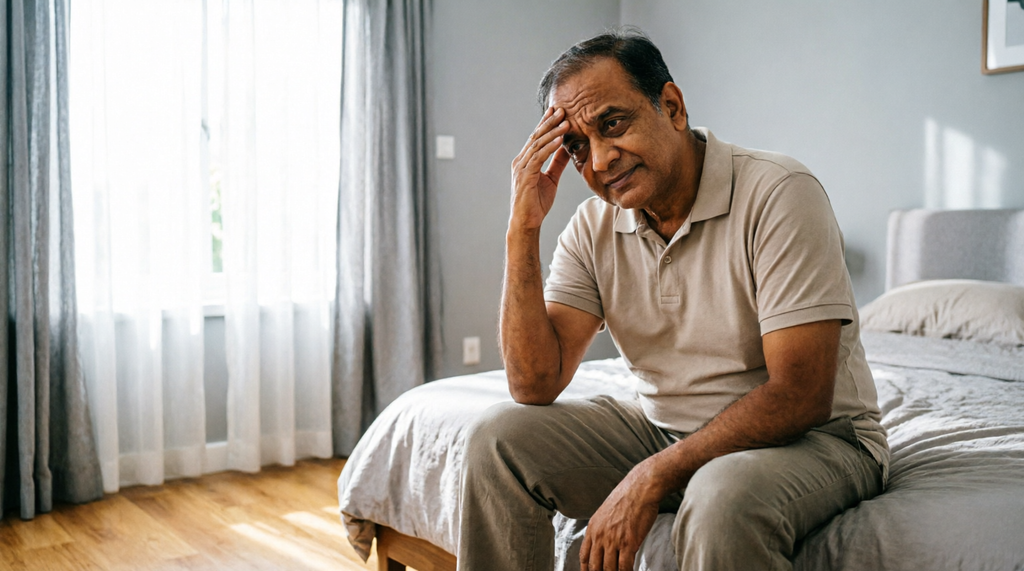
Who Is at Risk of Postural Hypotension?
Orthostatic hypotension can affect people of different ages, but some factors increase the likelihood of developing it.
Older Adults
Age-related changes in blood pressure regulation, chronic illnesses, and medication use can increase the risk of dizziness when standing. Falls may also cause serious injuries in older adults.
People With Diabetes
Diabetes-related nerve damage can interfere with the body’s normal blood pressure response. Dizziness may also result from low blood sugar or medication effects.
People Taking Certain Medicines
Medicines that lower blood pressure, increase fluid loss, or affect the nervous system may contribute to symptoms. A doctor can review your medicines to determine whether they play a role.
People Experiencing Fluid Loss
Vomiting, diarrhoea, fever, heavy sweating, or inadequate fluid intake can cause dehydration and reduce circulating blood volume.
People With Heart or Nervous System Conditions
Some heart rhythm disorders and neurological conditions affect circulation or the body’s ability to regulate blood pressure. These conditions require individual assessment rather than self-diagnosis.
How Is Orthostatic Hypotension Diagnosed?
A doctor will consider your symptoms, medical history, medication use, and physical examination before deciding whether you have orthostatic hypotension.
Blood Pressure Measurements
Your doctor may measure your blood pressure while you are lying down and again after you stand. A decrease of at least 20 mmHg in systolic pressure or 10 mmHg in diastolic pressure within three minutes of standing meets the standard blood pressure criterion for orthostatic hypotension.
Your heart rate may also be checked, and the doctor may assess whether standing reproduces your symptoms.
Blood Tests and Other Investigations
Depending on your symptoms and medical history, your doctor may recommend:
- Blood tests to check for anaemia or blood glucose abnormalities
- An electrocardiogram (ECG) if a heart rhythm problem is suspected
- Additional cardiovascular or nervous system tests when clinically indicated
Not everyone needs every test. Your doctor will select appropriate investigations based on your symptoms and examination findings.
How Can You Prevent Dizziness When Standing Up?
Simple precautions may help reduce dizziness when standing up, but the right approach depends on the underlying cause and your overall health.
Get Up Slowly
Avoid jumping out of bed or standing suddenly after sitting for a long time.
Move gradually from lying down to sitting. Remain seated briefly before standing, and hold a stable surface if needed. If you begin to feel dizzy, sit or lie down immediately to reduce the risk of falling.
Maintain Appropriate Hydration
Drink fluids regularly, particularly during hot weather or after sweating. Dehydration can contribute to a drop in blood pressure and increase the likelihood of lightheadedness.
If you have heart or kidney disease, or your doctor has restricted your fluid intake, follow your prescribed guidance rather than increasing fluids independently. The CDC’s information on water and healthy drinks offers general hydration guidance.
Review Your Medicines
If dizziness starts after you begin taking a new medicine, tell your doctor. They can review your medication and determine whether a change is appropriate.
Never stop prescribed medication without medical advice.
Monitor Blood Sugar if You Have Diabetes
If you have diabetes and experience sweating, shakiness, or sudden weakness, check your blood sugar when possible and follow your clinician’s instructions for treating low blood sugar.
Confusion, seizures, or loss of consciousness require emergency assistance.
Reduce Your Risk of Falls
Take extra care when getting out of bed, using stairs, or standing in hot environments. If episodes happen frequently, discuss fall prevention and suitable physical activity with your doctor.
What Is the Treatment for Orthostatic Hypotension?
Orthostatic hypotension treatment depends on the cause, severity, frequency of symptoms, and other medical conditions.
Treating the Underlying Cause
If dehydration contributes to the problem, your doctor may recommend appropriate fluid replacement. If a medicine is causing symptoms, your doctor may review your treatment plan.
When diabetes, anaemia, or a heart condition contributes to dizziness, managing that condition may help reduce episodes.
Lifestyle Measures
Depending on your health needs, your doctor may recommend:
- Standing up gradually
- Maintaining appropriate fluid intake
- Adjusting activities that trigger symptoms
- Reviewing medicines that affect blood pressure
- Using compression garments in selected cases
Increasing salt intake or using compression garments is not suitable for everyone, particularly people with certain heart or kidney conditions. Seek medical advice before making significant changes.
Medical Treatment
Some people with persistent orthostatic hypotension may need prescription medication. A doctor will decide whether medication is appropriate after evaluating the underlying cause, existing health conditions, and potential risks.
Avoid relying on home remedies alone when dizziness is recurrent, severe, or associated with fainting.
When Should You See a Doctor for Dizziness?
Occasional brief dizziness may not indicate a serious condition, but repeated or unexplained episodes deserve medical attention.
Arrange a medical consultation if you experience:
- Frequent dizziness after standing
- Repeated near-fainting episodes
- Recurring blurred vision or weakness
- Dizziness after starting or changing medication
- Symptoms that interfere with daily activities
- Unexplained falls or loss of balance
Seek emergency care if dizziness occurs with chest pain, difficulty breathing, sudden weakness, trouble speaking, or a sudden severe headache. Fainting accompanied by concerning symptoms also requires urgent assessment.
If you are unsure about the cause, a general medicine consultation is a reasonable starting point. A doctor can assess your symptoms and determine whether further evaluation is needed.
For people looking for a general medicine hospital in OMR Chennai, a clinical assessment can help identify whether dizziness is related to blood pressure, dehydration, medication effects, or another condition. Patients in Padur, Kelambakkam, and nearby areas should seek appropriate medical care rather than relying on self-diagnosis.
Need medical advice for recurring dizziness? Book an appointment with Supreme Hospitals for an appropriate evaluation.
Frequently Asked Questions
Why do I feel dizzy when I stand up suddenly?
A temporary drop in blood pressure may reduce blood flow to the brain. Dehydration, medication effects, and certain medical conditions can contribute. Recurring symptoms should be evaluated by a doctor.
How long should I stay dizzy after standing?
A brief episode may resolve within seconds, but the duration alone cannot identify the cause. Dizziness that persists, worsens, or happens frequently needs medical evaluation.
Can dehydration cause dizziness when standing up?
Yes. Dehydration can reduce blood volume and contribute to a drop in blood pressure when you stand. Appropriate fluid intake may help, although people with fluid restrictions should follow their doctor’s advice.
Can low blood sugar cause dizziness?
Yes. Low blood sugar can cause dizziness, sweating, shakiness, confusion, and weakness. It is particularly important to consider people taking insulin or certain diabetes medicines.
Is orthostatic hypotension dangerous?
Orthostatic hypotension can increase the risk of fainting and falls. The level of risk depends on the severity, frequency, and underlying cause. Repeated symptoms should be medically assessed.
Which doctor should I consult for dizziness?
A general medicine doctor is a reasonable starting point. Depending on your symptoms and examination, you may need assessment by a cardiologist or another specialist.
How can I prevent dizziness when standing up?
Stand up gradually, maintain appropriate hydration, and take precautions to prevent falls. If you have recurring symptoms, consult a doctor to identify the cause and determine suitable treatment.
Conclusion
Feeling dizzy when standing up suddenly may result from a temporary blood pressure drop, dehydration, medication effects, low blood sugar, or an underlying medical condition. Although brief episodes may resolve quickly, frequent dizziness, fainting, or symptoms that affect daily activities should not be ignored.
Stand up slowly, maintain appropriate hydration, and take precautions to prevent falls. Most importantly, seek medical advice if symptoms keep returning rather than assuming that low blood pressure is the only possible cause.
If you experience frequent dizziness, consult the General Medicine Department at Supreme Hospitals for an appropriate evaluation. Depending on the findings, your doctor may recommend further assessment through cardiology or another specialty.
About the Authors
Dr. Aaron Edwin, MBBS, MD (General Medicine)
Dr. Aaron Edwin is a General Medicine physician at Supreme Hospitals. His clinical focus includes chronic condition diagnosis, routine health assessments, and lifestyle guidance. His work in general medicine supports patient education on common health concerns, preventive care, and the importance of timely medical evaluation.
Dr. Bravian Samvict Devadas, Senior Consultant, General Medicine
Dr. Bravian Samvict Devadas is a Senior Consultant in General Medicine at Supreme Hospitals. His clinical focus includes chronic condition diagnosis, health assessments, and lifestyle guidance. His role involves helping patients understand their health concerns and the importance of appropriate medical evaluation and ongoing care.
Medical Disclaimer
The information provided in this blog by Supreme Hospitals is intended for educational and informational purposes only. It is not a substitute for professional medical advice, diagnosis, or treatment. Dizziness when standing up can have several causes, including orthostatic hypotension, dehydration, medication effects, and underlying medical conditions. Consult a qualified healthcare professional for proper evaluation and personalised medical advice. Do not stop prescribed medication or change your treatment without consulting your doctor. If dizziness occurs with chest pain, difficulty breathing, sudden weakness, trouble speaking, or other severe symptoms, seek emergency medical care immediately.