



Living with pain for weeks or months can affect more than just your physical well-being. It can impact your sleep, work, exercise, mood, and even day-to-day activities. Although painkillers can provide pain relief for some people, chronic pain management often requires a more comprehensive approach to treatment based on the underlying cause of the pain and the patient’s needs.
Treatment for chronic pain can include a range of different strategies depending on the condition, including physical therapy, exercises, lifestyle changes, psychological support, medication, or other treatments.
There is no one-size-fits-all solution for chronic pain treatment. A doctor may recommend a particular approach or combination of different treatments based on the diagnosis, symptoms, and overall wellbeing. People with chronic pain may benefit from chronic pain treatment at Pain & Palliative Care, where pain symptoms and supportive care needs can be assessed as part of an individualised treatment plan.
What Is Chronic Pain?
Chronic pain is pain that occurs consistently or intermittently for long periods. It is defined as pain that lasts for three months or more and frequently happens when there has been an injury or surgery, or there is an underlying condition such as arthritis, nerve damage, back pain, or other conditions.
Acute pain is short-term and usually occurs after an injury or illness, whereas chronic pain can occur even when the initial cause has healed.
Symptoms of chronic pain include:
- Persistent or recurring pain
- Stiffness or limited range of motion
- Muscle weakness
- Reduced energy or fatigue
- Sleep difficulties
- Limited ability to perform daily activities
The type of pain and related symptoms will vary depending on the cause and may be significantly different for each patient.
Why Painkillers Are Not Always the Complete Answer
While medication can play an important role in the treatment of chronic pain, it is not effective for all causes of chronic pain.
Some types of medication can also have additional side effects or complications, particularly with long-term use, and the risks are dependent on the individual, the medication, the dosage, and how long it is taken.
Due to this, chronic pain management may include medication as well as other treatment options.
The aim of treatment is not only to relieve pain, but to enable the patient to resume physically active or normal functioning as far as possible.
Modern Approaches to Chronic Pain Management
The chronic pain treatment options available for managing pain will depend on the underlying cause, severity, and overall well-being. A doctor may recommend one approach, such as physiotherapy, or a combination of different treatments.
Physical Therapy and Exercise
Physical therapy to assist with chronic pain can help to improve strength, flexibility, mobility, balance, and overall physical activity levels.
A physiotherapist can recommend a suitable exercise program based on the patient’s condition and physical capabilities. A person with chronic back pain will have different exercise requirements to someone with chronic pain as a result of a joint issue.
Exercise can also help to maintain mobility and reduce stiffness when living with chronic pain.
Pain Management Therapy
Pain management can include a combination of medical treatment, physical therapy, and psychological support. Treatment for chronic pain will depend on the cause and may include physical rehabilitation, medication, lifestyle changes, psychological therapy, or specialist procedures.
A specialist pain management doctor can assess chronic pain symptoms and medical history and recommend a treatment plan based on the individual’s needs and potential options. Pain management therapy aims to provide pain relief while also addressing other lifestyle or psychological factors and enabling the patient to resume normal activities as far as possible.
Lifestyle Changes
Lifestyle can play a significant role in the management of chronic pain. The type of changes recommended will depend on the individual and the underlying cause but may include:
- Maintaining a healthy body weight
- Getting regular exercise (within the capability of the individual)
- Having good sleeping patterns
- Taking regular breaks from sitting
- Managing stress levels
- Giving up smoking
- Eating a healthy diet
These lifestyle changes will not directly relieve chronic pain, but they can be effective components of chronic pain management in combination with other treatment and under the guidance of a healthcare professional.
Psychological Support
Living with chronic pain can be emotionally taxing, and stress, anxiety, or poor sleep can often exacerbate pain symptoms. Psychological therapy and pain counselling can help some patients to develop effective strategies for managing their condition and continuing day-to-day activities.
It is important to note that chronic pain is not ‘in your head’, but for many patients, psychological support can be a valuable component of chronic pain management.
Treating the Underlying Condition
The most appropriate treatment for chronic pain will always depend on the underlying condition. Many sources of chronic pain, such as arthritis, spine or nerve issues, and past injuries, may benefit from a combination of treatment options.
A General Medicine consultation can help to assess chronic pain symptoms, potential underlying conditions, and recommend any further treatment or specialist referrals for diagnosing and managing the cause.
How to Manage Chronic Pain Without Painkillers
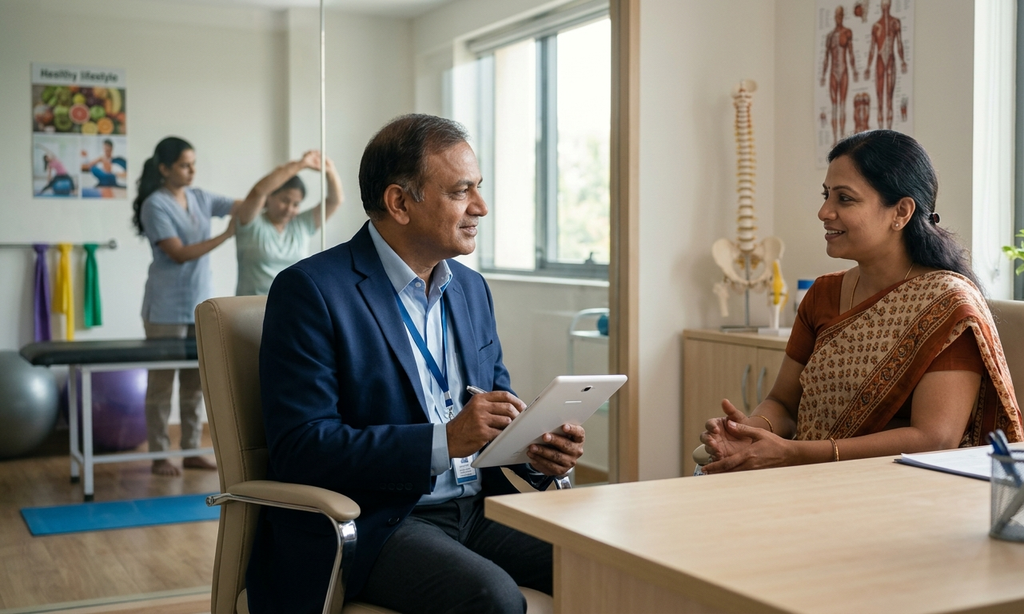
Many people seek advice about how to manage chronic pain without painkillers, but there is no one-size-fits-all solution. Based on an individual assessment of chronic pain, treatment for chronic pain without medication may include physical therapy, exercises, maintaining a healthy lifestyle and weight, sleep therapy, relaxation techniques, psychological support, and other treatment options.
It should be noted that these treatment recommendations are dependent on an individual assessment and diagnosis. In some circumstances, chronic pain treatment without medication may still require other medications as part of the treatment.
The important point is that managing chronic pain without medication should also be done under the guidance of a healthcare provider, particularly for long-term or severe chronic pain.
When Should You See a Doctor?
Living with chronic pain for weeks or months should not be ignored, and if pain regularly occurs or significantly impacts sleeping patterns or day-to-day activities, it should be treated by a medical professional.
You should see a doctor for chronic pain if:
- The pain lasts for several weeks or more
- The pain regularly recurs
- It is affecting your ability to perform normal activities
- The pain is impacting your sleep
- You need to regularly take pain medication to relieve the pain
- You have additional symptoms such as weakness, numbness, fever, or unexplained weight loss
Severe sudden pain, weakness, numbness, or loss of bladder or bowel function should always be treated as a medical emergency. Pain following an injury should also be assessed by a medical professional.
Chronic Pain Management in Chennai
If chronic pain is significantly impacting your daily activities, it is important to seek medical treatment to help identify the possible cause and the most appropriate treatment. Chronic pain management in Chennai will depend on the individual situation and may involve a range of treatment options, including physical rehabilitation, medication, or other treatment options as recommended.
At Supreme Hospitals, patients can receive medical assessment and treatment guidance based on their symptoms and underlying condition. Chronic pain treatment in Chennai can be tailored to the individual, depending on the type, duration, and severity of the pain.
For people seeking chronic pain treatment in Chennai, it is important to speak with a healthcare professional about the underlying cause of the pain.
Frequently Asked Questions
Can chronic pain be treated without painkillers?
In some cases, chronic pain can be managed without medication through physical therapy, exercise, making lifestyle changes, or receiving psychological support. Chronic pain management without medication will depend on the underlying cause and should be discussed with a healthcare professional.
What is the best treatment for chronic pain?
There is no one-size-fits-all treatment for chronic pain, and a doctor will always recommend the most appropriate treatment based on the underlying cause. Chronic pain management can also be different for each patient depending on symptoms and well-being.
Does physical therapy help with chronic pain?
Yes, physical therapy for chronic pain can improve physical activity, strength, and mobility, depending on the individual’s condition and symptoms. Exercise should be tailored to each person’s capabilities and diagnosis.
When should I see a doctor for chronic pain?
Seek medical advice for chronic pain if it recurs regularly or lasts for several weeks or more, impacts your sleep or normal activities, or causes additional symptoms such as weakness, numbness, fever, or unexplained weight loss.
Where can I get chronic pain treatment in Chennai?
People who need chronic pain treatment in Chennai should speak with a qualified healthcare professional to discuss their symptoms and an individualised treatment plan. At Supreme Hospitals, we can provide medical assessment and treatment guidance based on the patient’s symptoms and underlying condition.