



Medical reviewed by: Dr. S. Suresh Sagadevan, with his MBBS, MD (Respiratory Medicine), FCCP (USA) and FAPSR (Japan)
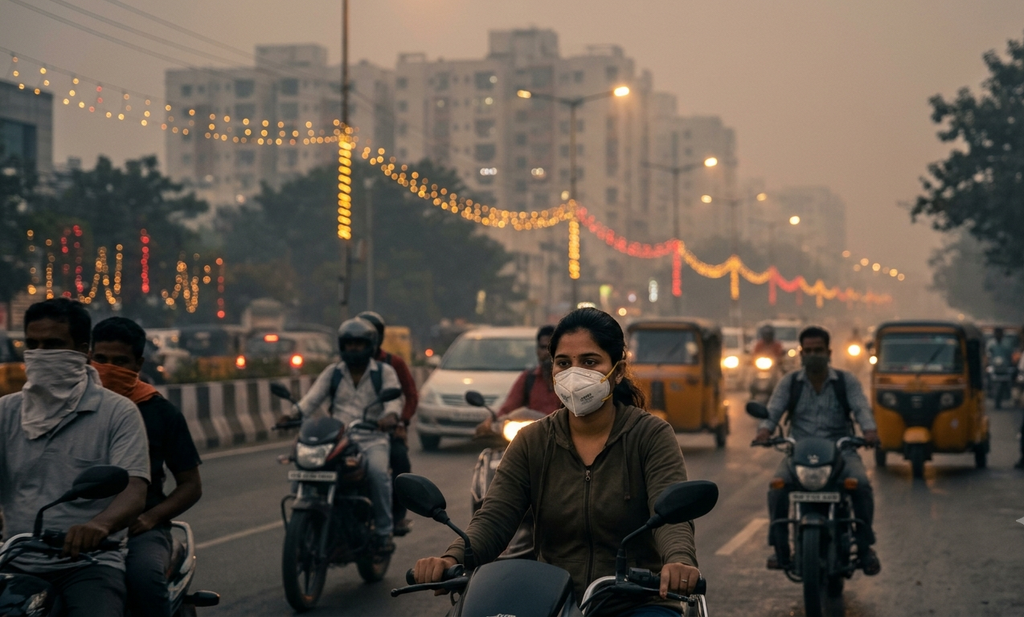
Every year after Diwali, Chennai’s air feels heavy. The cough lingers, your chest feels tight, and your eyes sting. These are not small complaints. The air pollution effects on health go far beyond a scratchy throat.
- The World Health Organization (WHO) estimates that air pollution causes about 7 million premature deaths every year.
- Nearly 99% of the world’s population breathes air that exceeds WHO air quality limits.
Firecracker smoke adds fine particles to air that is already polluted, and your lungs feel it first. The good news is that you can act. This guide explains how pollution harms your body, which symptoms need attention, and how to protect your lungs this Diwali season.
What Is Air Pollution and Why Does It Get Worse After Diwali?
Air pollution is a mix of tiny particles and harmful gases in the air you breathe. Two of the most common are PM2.5 and PM10. PM2.5 particles are so fine that they travel deep into your lungs and can even reach your bloodstream. PM10 particles are slightly larger and mostly irritate your nose, throat and upper airways.
Why Diwali smoke lingers in Chennai
Diwali air pollution rises sharply for three reasons:
- Firecrackers release smoke, metal particles and gases such as sulphur dioxide.
- Cool, still winter air traps that smoke close to the ground.
- Festival traffic and construction dust add to the load.
You probably notice this as hazy mornings, burning eyes and a dry cough that will not go away. Before you step out, check the Air Quality Index (AQI) on a trusted app or a government website. An AQI above 100 can bother people with asthma or lung disease, and a reading above 200 can affect most people who stay outdoors for long. Knowing how to check the air quality index takes a minute, and it helps you plan your day.
Air Pollution Effects on Health: What Happens Inside Your Body
Quick answer: Air pollution irritates your airways, inflames your lungs and strains your heart. Short-term exposure causes cough, wheezing and eye irritation. Long-term exposure raises the risk of asthma, chronic lung disease, heart disease and stroke.
How does air pollution affect the lungs?
Fine particles slip past your nose and throat and settle in the small air sacs of your lungs. Your body responds with inflammation and extra mucus, which narrows your airways. That is why you cough, wheeze or feel breathless on polluted days. Repeated exposure can inflame the bronchial tubes and lead to bronchitis, and it makes respiratory infections more likely. Poor lung health also makes every cold and flu harder to shake off.
Effects on the heart, eyes, throat and skin
Pollution does not stop at your lungs. Particles trigger inflammation in your blood vessels, which can raise blood pressure and the risk of heart attack and stroke. Smoke also dries and irritates your eyes, throat and skin.
Long-term effects of air pollution
Years of exposure can lower lung function, worsen existing conditions and slow lung growth in children. These are the long-term effects of air pollution, and they build quietly, so early care matters.
Health Risks of Air Pollution: Who Is Most at Risk?
Polluted air affects everyone, but some people face higher health risks of air pollution. Take extra care if you or someone at home belongs to one of these groups:
Children: Their lungs are still growing, and they breathe faster than adults. A child who plays outside on a smoky evening takes in more pollutants for their size.
Older adults: Age weakens the lungs and heart, so smoke hits harder and recovery takes longer.
Pregnant women: Poor air quality can affect both mother and baby, so avoid heavy smoke and ask your doctor for advice.
People with asthma or COPD: Smoke is one of the strongest triggers for flare-ups.
People with heart disease or diabetes: Pollution adds stress to a body that already works harder.
Outdoor workers: Traffic police, delivery riders and street vendors breathe polluted air for hours every day.
For example, a delivery rider with mild asthma may cope well in summer. After Diwali, the same rider may wheeze every night and need his inhaler twice as often. That pattern is a signal to see a doctor, not something to push through.
Symptoms of Air Pollution and Asthma Warning Signs
What are the symptoms of air pollution?
Watch for these common signs, especially in the week after Diwali:
- A dry or persistent “pollution cough”
- Sore throat and a runny or blocked nose
- Burning, watery eyes
- Headache and tiredness
- Chest tightness or mild breathlessness
Asthma symptoms and triggers
Air pollution and asthma are closely linked. Typical asthma symptoms include wheezing, chest tightness, shortness of breath and coughing, often at night or early morning. Common asthma triggers include firecracker smoke, dust, cold air, strong smells, pollen and respiratory infections. If you notice more symptoms than usual, follow your asthma action plan and keep your reliever inhaler within reach.
When to seek emergency care for asthma
An asthma attack can become serious fast. Go to the nearest emergency department if you notice any of these:
- You cannot speak a full sentence without gasping
- Your reliever inhaler gives little or no relief
- Your lips or fingertips look blue or grey
- You feel severe chest pain or extreme drowsiness
How to Protect Your Lungs From Air Pollution
You cannot control the air outside, but you can lower your exposure. Small habits add up.
Outdoor habits
- Check the AQI first. On poor air days, move your walk or workout indoors.
- Avoid smoky hours. Smoke often hangs thickest in the early morning and late evening.
- Wear a well-fitted N95 mask. An N95 can filter most fine particles when it seals snugly around your nose and mouth. Loose cloth masks do little against PM2.5.
- Watch the fireworks from a distance. Better still, choose a quiet celebration. Even green crackers still produce smoke.
How to reduce indoor air pollution
- Keep windows closed when smoke levels are high, and open them when the air clears.
- Mop floors with a damp cloth instead of dry sweeping, so dust does not spread.
- Switch on the kitchen exhaust fan while you cook.
- Skip incense sticks, mosquito coils and indoor smoking.
- Consider a HEPA air purifier in the bedroom. It can lower indoor particles and may help reduce asthma triggers, but it does not replace your medicines.
Also drink enough water, take your prescribed medicines on time, and rest if your chest feels tight. Strong lung health starts with daily care.
Air Pollution in Chennai: When to See a Pulmonologist
Some coughs settle in a few days. Others signal a bigger problem. Book a visit if any of these apply:
- Your cough or wheeze lasts longer than two weeks
- You need your inhaler more often than usual
- Breathlessness limits your daily walks or stairs
- You wake up at night with chest tightness
- You have repeated chest infections or bronchitis
At Supreme Hospitals in Padur on OMR, our Pulmonology department helps adults and children with asthma, bronchitis, lung infections and long-term breathing problems. If you search for a pulmonologist in Padur OMR, a lung specialist in OMR Chennai or a chest specialist near Siruseri, our team is close to you. Your doctor will examine you and may suggest a chest X-ray or a lung function test when needed. You will leave with a clear plan for asthma treatment in Chennai’s changing season.
Do you feel well but live or work in a heavily polluted area? A yearly lung and heart screening can catch problems early. Our health check-ups give you a simple way to start.
Frequently Asked Questions
What are the main air pollution effects on health?
Air pollution causes cough, wheezing, eye and throat irritation and breathlessness in the short term. Over many years, it raises the risk of asthma, bronchitis, chronic lung disease, heart disease and stroke. Children, older adults and people with existing conditions feel the effects first.
What are the symptoms of air pollution?
Common symptoms include a dry cough, sore throat, burning eyes, headache, tiredness and chest tightness. People with asthma may also wheeze or feel breathless. If these symptoms last more than two weeks, see a doctor.
How does air pollution affect the lungs?
Fine particles reach deep into the lungs and cause inflammation and extra mucus. This narrows the airways, makes breathing harder and increases the chance of infections. Over time, repeated exposure can reduce lung function.
Can air pollution cause or worsen asthma?
Pollution can trigger asthma attacks and make symptoms worse. Smoke and fine particles inflame the airways, which are already sensitive in people with asthma. Keep your inhaler handy and follow your asthma action plan on poor air days.
How can I protect my lungs from air pollution at home?
Check the AQI daily, keep windows closed during heavy smoke, damp mop your floors and avoid indoor smoke from incense or coils. A HEPA air purifier can help reduce indoor particles, especially in the bedroom.
Does an N95 mask protect against air pollution?
A well-fitted N95 mask filters most fine particles, including PM2.5. It works only when it seals snugly on your face. Cloth and loose surgical masks give much less protection against fine particles.
When should I see a pulmonologist in Padur or OMR?
See a pulmonologist if your cough or wheeze lasts more than two weeks, your breathlessness limits daily activity, or you need your inhaler more often. Seek emergency care right away for severe breathlessness or blue lips.
Conclusion
Air pollution affects your lungs, your heart and your daily comfort, and Diwali smoke makes the problem sharper. You do not have to accept a lingering cough or a tight chest as normal. Check the AQI, protect yourself outdoors, clean the air at home and watch for early warning signs. If symptoms persist, a quick consultation can prevent a bigger problem later. Take the first step for your lungs today.
Author Bio:
Dr. S. Suresh Sagadevan, MBBS, MD
Dr. S. Suresh Sagadevan, MBBS, MD (Respiratory Medicine), FCCP (USA), FAPSR (Japan), is a pulmonologist at Supreme Hospitals, Padur, OMR, Chennai. He specialises in asthma and COPD care, sleep medicine and pulmonology.
Medical Disclaimer: This article is for general information only and does not replace medical advice. If you have breathing difficulty, chest pain or blue lips, go to the nearest emergency department immediately.