



Featured Snippet Answer
After the age of 40, kidney function naturally begins to decline, making healthy lifestyle choices more important than ever. Staying hydrated, managing blood pressure and blood sugar, eating a balanced diet, exercising regularly, and scheduling routine kidney health screenings can help protect kidney function and reduce the risk of chronic kidney disease.
Introduction
Your kidneys silently work around the clock to filter waste, regulate blood pressure, balance fluids, and support overall health. As you enter your 40s, these vital organs may become more vulnerable to the effects of aging, diabetes, hypertension, obesity, and certain medications. The good news is that many kidney-related problems can be prevented or detected early through healthy habits and regular medical care.
At Supreme Hospitals, patients receive comprehensive preventive healthcare designed to support long-term wellness through advanced diagnostics and personalized care. If you have concerns about your kidney health or existing kidney conditions, our dedicated Nephrology Department offers specialized evaluation and treatment
Understanding how to keep your kidneys healthy after 40 can help you maintain better health and reduce the risk of future complications.
Why Kidney Health Changes After 40
Although aging itself does not necessarily cause kidney disease, kidney function gradually decreases over time. Certain lifestyle and medical conditions can accelerate this process.
Factors that increase kidney risk after 40 include:
- High blood pressure
- Type 2 diabetes
- Excess body weight
- Smoking
- High salt intake
- Family history of kidney disease
- Frequent use of painkillers without medical supervision
- Lack of physical activity
Many people remain symptom-free until kidney damage becomes advanced, making preventive care especially important.
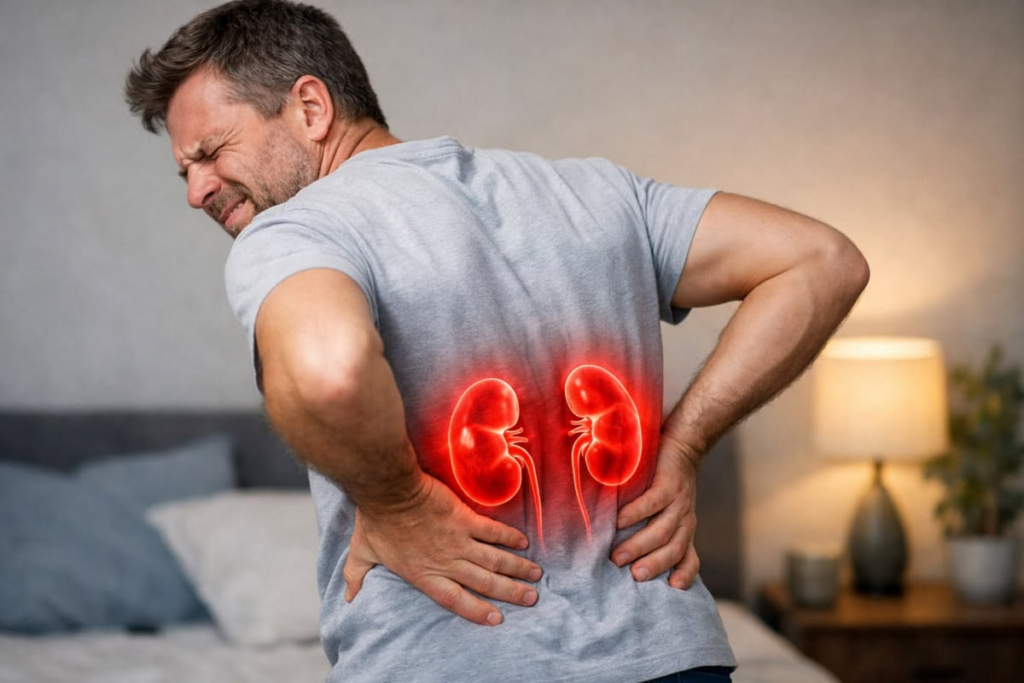
Signs That Your Kidneys May Need Attention
Kidney disease often develops gradually without obvious symptoms. However, some warning signs should not be ignored.
Common symptoms include:
- Swelling in the feet or ankles
- Persistent fatigue
- Frequent urination, especially at night
- Blood in urine
- Foamy urine
- Difficulty concentrating
- Poor appetite
- High blood pressure that is difficult to control
These symptoms may have various causes, but they should always be evaluated by a healthcare professional.
Healthy Habits That Protect Your Kidneys After 40
Stay Properly Hydrated
Water helps the kidneys remove waste products efficiently. Drinking adequate fluids throughout the day supports normal kidney function, although individual needs vary based on health conditions and climate.
Keep Blood Pressure Under Control
High blood pressure is one of the leading causes of kidney damage. Regular monitoring, reducing salt intake, exercising, and taking prescribed medications can help maintain healthy blood pressure levels.
Manage Blood Sugar Carefully
People with diabetes have a significantly higher risk of kidney disease. Good blood sugar control reduces damage to the tiny blood vessels inside the kidneys.
Choose Kidney-Friendly Foods
A balanced diet benefits both kidney and heart health.
Focus on:
- Fresh fruits and vegetables
- Whole grains
- Lean proteins
- Healthy fats
- Low-sodium meals
Limit:
- Processed foods
- Sugary beverages
- Excessive salt
- Deep-fried foods
- Highly processed meats
Maintain a Healthy Weight
Excess weight increases the risk of diabetes, hypertension, and chronic kidney disease.
Regular physical activity such as:
- Brisk walking
- Cycling
- Swimming
- Yoga
- Strength training
can help maintain overall health while reducing kidney-related risks.
Aim for at least 150 minutes of moderate exercise each week.
Avoid Unnecessary Painkiller Use
Many people regularly use over-the-counter pain medications without realizing that prolonged or excessive use may affect kidney function.
Always:
- Follow dosage recommendations
- Avoid long-term self-medication
- Discuss chronic pain management with your doctor
Stop Smoking and Limit Alcohol
Smoking damages blood vessels throughout the body, including those supplying the kidneys. Excessive alcohol consumption may also contribute to dehydration, high blood pressure, and other health issues.
Quitting smoking offers benefits for both kidney and cardiovascular health.
Don’t Ignore Regular Kidney Check-Ups
Routine screening becomes increasingly valuable after the age of 40, especially for people with diabetes, hypertension, obesity, or a family history of kidney disease.
Your doctor may recommend:
Blood Tests
These evaluate kidney filtration and waste removal.
Urine Tests
These detect protein, blood, or early signs of kidney damage.
Blood Pressure Monitoring
Maintaining healthy blood pressure helps preserve kidney function.
Imaging Studies
Ultrasound or other imaging may be advised if structural kidney problems are suspected.
Key Points
- Kidney function naturally changes with age.
- High blood pressure and diabetes are major causes of kidney disease.
- Healthy eating supports long-term kidney health.
- Stay physically active.
- Drink enough water unless otherwise advised.
- Avoid smoking.
- Use pain medications responsibly.
- Schedule regular kidney health screenings after 40.
- Early detection greatly improves treatment outcomes.
When to Take Action
Seek medical advice if you experience:
- Blood in urine
- Persistent swelling
- Uncontrolled high blood pressure
- Frequent urinary infections
- Foamy urine
- Reduced urine output
- Diabetes or hypertension with overdue kidney screening
- A strong family history of kidney disease
Individuals living in Chennai, Padur, OMR, and surrounding areas should consider routine kidney evaluations, particularly after the age of 40 or if they have known risk factors.
How Kidney Health Is Evaluated
A nephrologist assesses kidney health using your medical history, physical examination, laboratory investigations, and imaging studies when necessary.
Evaluation may include:
- Kidney function blood tests
- Urine protein analysis
- Estimated Glomerular Filtration Rate (eGFR)
- Blood pressure assessment
- Kidney ultrasound
- Review of medications and lifestyle habits
These assessments help identify kidney problems early, often before symptoms appear.
Treatment / Practical Advice
If early kidney changes are detected, treatment usually focuses on slowing disease progression.
Management may include:
- Controlling blood pressure
- Optimizing diabetes management
- Dietary modifications
- Weight management
- Exercise planning
- Medication review
- Regular follow-up with a nephrologist
Most people can significantly reduce future complications by following these recommendations consistently.
Case Example
Mr. Ravi, a 47-year-old office professional from Chennai, attended a routine health check-up despite feeling well. His blood pressure was mildly elevated, and urine testing revealed small amounts of protein. Further evaluation identified early kidney changes related to hypertension. After improving his diet, exercising regularly, taking prescribed medication, and attending follow-up visits, his kidney function remained stable over the following years. His experience highlights how routine screening can detect kidney problems before serious symptoms develop.
What You Can Do Now
- Schedule a preventive health check-up after age 40.
- Monitor your blood pressure regularly.
- Keep diabetes under good control if applicable.
- Reduce salt and processed foods.
- Exercise most days of the week.
- Drink adequate water based on your doctor’s advice.
- Avoid unnecessary painkiller use.
- Quit smoking if you smoke.
- Discuss kidney screening with your physician if you have risk factors.
Why This Matters
Healthy kidneys support nearly every system in the body. Because kidney disease often develops silently, prevention and early detection become increasingly important after the age of 40. Simple lifestyle changes combined with regular medical evaluations can help preserve kidney function, improve quality of life, and reduce the likelihood of serious complications. Taking proactive steps today can make a meaningful difference to your long-term health.
FAQs
1. How can I keep my kidneys healthy after 40?
Maintain healthy blood pressure and blood sugar, eat a balanced diet, stay physically active, drink adequate water, avoid smoking, and undergo regular kidney health screenings.
2. Who should get regular kidney check-ups?
Adults over 40, especially those with diabetes, hypertension, obesity, heart disease, or a family history of kidney disease, should consider periodic kidney evaluations.
3. Does drinking more water always improve kidney health?
Adequate hydration supports kidney function, but fluid intake should be individualized. People with certain kidney or heart conditions may require specific fluid recommendations from their doctor.
4. Can kidney disease develop without symptoms?
Yes. Early chronic kidney disease often has no noticeable symptoms, which is why routine blood and urine tests are valuable for early detection.
5. When should I consult a nephrologist?
Consult a nephrologist if you have persistent swelling, blood or protein in urine, declining kidney function tests, uncontrolled blood pressure, recurrent kidney infections, or other signs of kidney disease.
Author Bio
Dr. P. Muthukumar, Consultant Nephrologist, Supreme Hospitals
Dr. P. Muthukumar specializes in the prevention, diagnosis, and management of kidney diseases, including chronic kidney disease, hypertension-related kidney disorders, diabetic kidney disease, electrolyte imbalances, and acute kidney injury. With a patient-centered approach, Dr. [Name] emphasizes early detection, preventive care, and evidence-based treatment to help individuals maintain healthy kidney function and improve long-term quality of life.