



Type 2 diabetes is one of the fastest-growing lifestyle diseases, affecting millions of people worldwide. While genetics can play a role, many daily habits significantly influence whether a person develops diabetes. The concerning part is that these habits often become part of everyday life without causing immediate symptoms.
The good news is that recognizing these patterns early can help reduce your risk and improve your long-term health. Simple lifestyle changes, combined with regular health screenings, can make a significant difference in preventing diabetes and its complications. At Supreme Hospitals, patients receive comprehensive diabetes care through the Diabetology Department, where experienced specialists focus on early diagnosis, personalized treatment plans, lifestyle modification, and long-term blood sugar management to help prevent diabetes-related complications and improve overall quality of life.
Why Lifestyle Matters More Than You Think
Type 2 diabetes develops when the body becomes resistant to insulin or does not produce enough insulin to maintain normal blood sugar levels. Over time, consistently high blood sugar can damage the heart, kidneys, eyes, nerves, and blood vessels.
Although family history is a risk factor, lifestyle choices remain one of the biggest contributors to diabetes development.
1. Sitting for Long Hours
Whether you’re working at a desk or spending hours watching television, prolonged sitting reduces calorie burning and decreases insulin sensitivity.
What you can do:
- Stand up every 30–45 minutes.
- Take short walking breaks.
- Stretch during work hours.
- Use stairs whenever possible.
2. Frequently Skipping Breakfast
Missing breakfast may lead to overeating later in the day and larger fluctuations in blood sugar levels.
A balanced breakfast containing protein, fibre, and healthy fats helps maintain stable energy throughout the day.
3. Drinking Sugary Beverages Regularly
Soft drinks, packaged fruit juices, sweetened coffee, and energy drinks often contain large amounts of added sugar.
Replacing sugary drinks with:
- Water
- Coconut water (without added sugar)
- Buttermilk
- Unsweetened green tea
can help reduce unnecessary sugar intake.
4. Poor Sleep Quality
Sleeping less than seven hours regularly may affect hormones responsible for hunger and insulin regulation.
Poor sleep can also increase cravings for high-calorie foods.
Healthy sleep habits include:
- Maintaining a consistent bedtime
- Avoiding screens before sleep
- Limiting caffeine late in the day
5. Chronic Stress
Stress hormones can raise blood sugar levels over time.
Simple stress management techniques include:
- Deep breathing exercises
- Yoga
- Meditation
- Walking outdoors
- Spending time with family
6. Ignoring Weight Gain Around the Waist
Abdominal obesity is closely associated with insulin resistance.
Even a modest weight reduction of 5–10% can improve blood sugar control and reduce diabetes risk.
7. Eating Too Many Processed Foods
Highly processed foods are often rich in refined carbohydrates, unhealthy fats, and added sugars.
Choose more:
- Fresh vegetables
- Fruits
- Whole grains
- Lentils
- Lean protein
- Nuts and seeds
instead of packaged snacks and fast food.
8. Not Getting Regular Health Check-ups
Many people have prediabetes without knowing it because symptoms are often absent.
Routine screenings can detect:
- Prediabetes
- Type 2 diabetes
- High cholesterol
- High blood pressure
before complications develop.
9. Smoking and Excessive Alcohol Consumption
Smoking increases insulin resistance and damages blood vessels.
Excessive alcohol intake may also interfere with blood sugar regulation and contribute to weight gain.
Reducing or avoiding these habits benefits overall health.
10. Ignoring Early Warning Signs
Many people dismiss the early symptoms of diabetes as temporary fatigue or stress.
Watch for signs such as:
- Frequent urination
- Excessive thirst
- Constant hunger
- Slow-healing wounds
- Blurred vision
- Unexplained weight loss
- Tingling sensation in hands or feet
Early diagnosis allows timely treatment and helps prevent long-term complications.
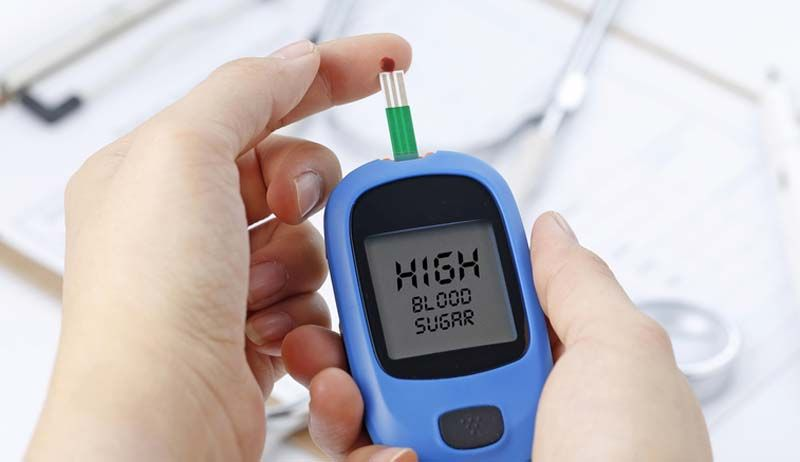
How to Lower Your Diabetes Risk
Preventing diabetes doesn’t require drastic changes overnight. Small, consistent improvements can significantly reduce your risk.
Healthy habits include:
- Eating balanced meals
- Exercising for at least 150 minutes each week
- Maintaining a healthy body weight
- Drinking enough water
- Managing stress
- Getting adequate sleep
- Scheduling routine diabetes screening
When Should You Consult a Diabetologist?
Consider consulting a diabetes specialist if you:
- Have a family history of diabetes
- Are overweight or obese
- Have high blood pressure
- Have high cholesterol
- Experienced gestational diabetes during pregnancy
- Notice symptoms such as frequent thirst, fatigue, or slow wound healing
- Have abnormal blood sugar test results
Early medical guidance helps delay or prevent complications through individualized care.
Expert Diabetes Care at Supreme Hospitals
The Diabetology Department at Supreme Hospitals provides comprehensive diabetes care, including diabetes screening, HbA1c testing, personalized treatment plans, nutritional counseling, lifestyle modification guidance, medication management, and long-term monitoring. The department focuses on helping patients achieve optimal blood sugar control while preventing diabetes-related complications through evidence-based, patient-centered care.
Conclusion
Type 2 diabetes often develops gradually, making prevention especially important. By identifying unhealthy habits early and replacing them with healthier alternatives, you can greatly reduce your risk of developing diabetes. Regular screenings, a balanced diet, physical activity, and professional medical guidance are the foundation of long-term blood sugar management and overall well-being.
Frequently Asked Questions (FAQs)
1. Can Type 2 diabetes be prevented?
Yes. Many cases of Type 2 diabetes can be prevented or delayed through healthy eating, regular exercise, weight management, and routine health check-ups.
2. What is the biggest lifestyle risk factor for diabetes?
Physical inactivity, obesity, unhealthy eating habits, and prolonged sitting are among the leading lifestyle-related risk factors.
3. At what age should I start diabetes screening?
Adults over 35 years and younger individuals with obesity, family history, or other risk factors should undergo regular diabetes screening as advised by their doctor.
4. What are the first symptoms of Type 2 diabetes?
Common early symptoms include excessive thirst, frequent urination, fatigue, blurred vision, slow wound healing, and unexplained weight loss.
5. How often should people with diabetes visit a diabetologist?
The frequency depends on blood sugar control and overall health. Many patients benefit from follow-up visits every 3–6 months, though some may need more frequent monitoring.