



Featured Snippet Answer
Fatty liver disease occurs when excess fat accumulates in the liver, affecting its ability to function properly. Common fatty liver disease symptoms include fatigue, abdominal discomfort, unexplained weight changes, and elevated liver enzymes. Early diagnosis and treatment can help prevent serious liver complications.
Introduction
The liver is one of the most important organs in the body, performing hundreds of essential functions, including filtering toxins, processing nutrients, and supporting digestion. However, unhealthy lifestyle habits, obesity, diabetes, and metabolic disorders have contributed to a growing number of people developing fatty liver disease.
Many individuals with fatty liver disease symptoms may not notice any warning signs during the early stages. As the condition progresses, it can lead to liver inflammation, scarring, and, in severe cases, liver failure. Understanding the symptoms and seeking timely medical evaluation can help protect long-term liver health.
Patients across Chennai, OMR, Padur, Navalur, and Thiruporur increasingly seek medical advice for liver-related concerns due to the rising prevalence of lifestyle-related diseases.
What Is Fatty Liver Disease?
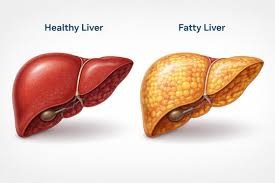
Fatty liver disease occurs when excessive fat accumulates within liver cells. While small amounts of fat in the liver are normal, excessive fat buildup can interfere with liver function and increase the risk of complications.
The condition is officially classified under modern medical guidelines into:
- MASLD (Metabolic Dysfunction-Associated Steatotic Liver Disease) – Formerly known as Non-Alcoholic Fatty Liver Disease (NAFLD), this is driven by metabolic factors like insulin resistance.
- MetALD – Alcohol-Related Liver Disease paired with underlying metabolic risk factors.
Without proper management, fatty liver disease may progress to inflammation, fibrosis (scarring), cirrhosis, or liver failure.
Common Fatty Liver Disease Symptoms
Persistent Fatigue
One of the most frequently reported fatty liver disease symptoms is ongoing fatigue. Patients often feel tired even after adequate rest and may experience reduced energy levels throughout the day.
Discomfort in the Upper Right Abdomen
Some individuals experience mild pain or a feeling of fullness in the upper right side of the abdomen, where the liver is located.
Unexplained Weight Changes
Sudden weight loss or difficulty maintaining a healthy weight may indicate underlying liver dysfunction and should be evaluated by a healthcare professional.
Loss of Appetite
A reduced desire to eat may occur as liver function becomes impaired.
Nausea and Digestive Discomfort
Patients may experience nausea, bloating, indigestion, or general digestive discomfort.
Difficulty Concentrating
Liver dysfunction can affect overall well-being, leading to reduced concentration and mental fatigue.
Yellowing of the Skin or Eyes
In advanced stages, jaundice may develop, causing yellow discoloration of the skin and eyes.
Common Causes and Risk Factors
Several factors can increase the risk of developing fatty liver disease.
Obesity
Excess body weight is one of the leading causes of fat accumulation in the liver.
Type 2 Diabetes
Poorly controlled blood sugar levels can contribute to liver fat buildup.
High Cholesterol and Triglycerides
Abnormal lipid levels increase the risk of fatty liver disease.
Sedentary Lifestyle
Lack of regular physical activity may contribute to obesity and metabolic disorders.
Excessive Alcohol Consumption
Alcohol can damage liver cells and promote fat accumulation within the liver.
Metabolic Syndrome
Conditions such as hypertension, obesity, and insulin resistance often increase the risk of liver disease.
Why Early Detection Is Important
Early diagnosis can help prevent disease progression and serious liver complications.
Benefits of early liver evaluation include:
- Screening for elevated ALT (alanine transaminase) and AST (aspartate transaminase) liver enzymes, which gastroenterologists use to catch early liver cell damage.
- Preventing liver inflammation and scarring.
- Improving treatment outcomes.
- Supporting long-term liver function.
- Reducing the risk of cirrhosis and liver failure.
- Improving overall health and quality of life.
Treatment Options for Fatty Liver Disease
Treatment depends on the severity of the condition and underlying risk factors.
Liver Function Assessment
Blood tests and imaging studies help evaluate liver health and determine the extent of fat accumulation.
Lifestyle Modifications
Healthy lifestyle changes remain the foundation of fatty liver disease treatment.
Weight Management
Losing 7% to 10% of total body weight is the clinical benchmark required to reduce liver fat, reverse inflammation, and support long-term liver function.
Medical Management
Underlying conditions such as diabetes, high cholesterol, and hypertension should be properly managed.
Regular Monitoring
Ongoing follow-up helps monitor disease progression and treatment effectiveness.
Lifestyle Tips to Support Liver Health
Healthy habits can help prevent and manage fatty liver disease.
Follow a Balanced Diet
Focus on fruits, vegetables, whole grains, and lean proteins while limiting processed foods.
Exercise Regularly
Aim for at least 150 minutes of moderate physical activity each week.
Maintain a Healthy Weight
Weight management plays a crucial role in reducing liver fat. Aiming for a 7% to 10% reduction in overall body weight helps reverse early-stage hepatic steatosis (fat accumulation).
Stay Hydrated
Adequate water intake supports overall metabolic health.
Avoid Excessive Alcohol
Limiting alcohol consumption helps protect liver cells from damage.
Related Services at Supreme Hospitals
Patients diagnosed with fatty liver disease may benefit from:
- Gastroenterology Services
- Diabetes Management Services
- General Medicine Department
- Advanced Diagnostic Imaging Services
- Preventive Health Check-Up Programs
Key Points
- Fatty liver disease symptoms may be mild or absent in early stages.
- Fatigue and abdominal discomfort are common warning signs.
- Obesity and diabetes significantly increase the risk.
- Early diagnosis can help prevent liver damage.
- Lifestyle modifications are essential for treatment.
- Regular medical evaluation supports better long-term outcomes.
- Liver health should be monitored in high-risk individuals.
When Should You Consult a Gastroenterologist?
Seek medical attention if you experience:
- Persistent fatigue
- Ongoing abdominal discomfort
- Unexplained weight changes
- Loss of appetite
- Digestive problems
- Elevated liver enzymes
- A history of diabetes or obesity
Early evaluation can help identify liver disease before complications develop.
Expert Liver Care at Supreme Hospitals Chennai
At Supreme Hospitals Chennai, our gastroenterology specialists provide comprehensive liver evaluations, advanced diagnostic services, and personalized treatment plans for patients with fatty liver disease and other digestive disorders.
Patients from Chennai, OMR, Padur, Navalur, and Thiruporur trust our team for evidence-based liver care focused on long-term health and disease prevention.
Why This Matters
Fatty liver disease is becoming increasingly common, yet many people remain unaware they have the condition. Because symptoms often develop gradually, routine health screenings and early medical evaluation play a crucial role in protecting liver health and preventing serious complications.
FAQs
What are the most common fatty liver disease symptoms?
Common symptoms include fatigue, abdominal discomfort, nausea, loss of appetite, and unexplained weight changes.
Can fatty liver disease occur without symptoms?
Yes. Many individuals do not experience noticeable fatty liver disease symptoms during the early stages.
Is fatty liver disease reversible?
In many cases, lifestyle changes such as weight loss, healthy eating, and regular exercise can improve liver health and reduce fat accumulation.
Who is at risk of developing fatty liver disease?
People with obesity, diabetes, high cholesterol, metabolic syndrome, or excessive alcohol consumption are at higher risk.
When should I see a doctor for fatty liver disease symptoms?
You should seek medical evaluation if symptoms persist, liver function tests are abnormal, or you have risk factors such as obesity or diabetes.
Medically Reviewed By
Reviewed by Dr. Arun Kasiviswanathan
MBBS, MS, MCh (Gastroenterology)