


Introduction
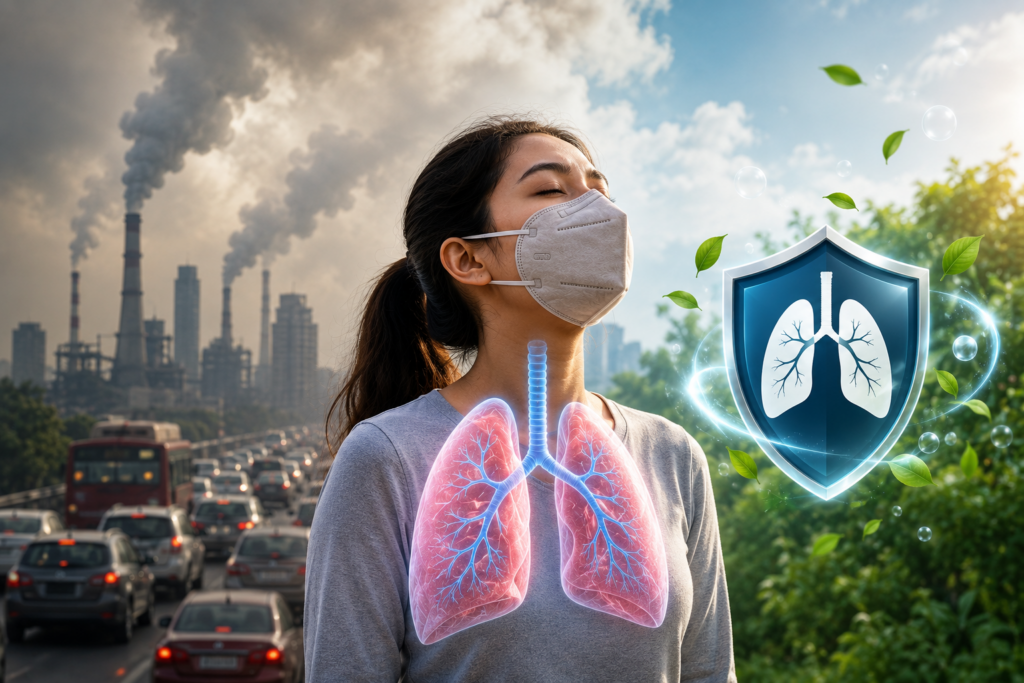
The air we breathe plays a vital role in maintaining our overall health, especially the health of our respiratory system. Increasing levels of air pollution caused by vehicle emissions, industrial activities, construction dust, and other environmental factors have made lung health a growing concern.
Continuous exposure to polluted air can affect people of all ages, from children to older adults. It may worsen existing respiratory conditions and increase the risk of developing long-term lung diseases.
Understanding how air pollution affects your lungs and following preventive measures can help protect your respiratory health and improve overall well-being.
How Does Air Pollution Affect Lung Health?
When we breathe, harmful pollutants in the air enter our respiratory system and can irritate the nose, throat, airways, and lungs. Fine particulate matter such as PM2.5 and PM10 can travel deep into the lungs and affect normal lung function.
Long-term exposure to air pollution may cause:
- Inflammation of the airways
- Reduced lung capacity
- Increased mucus production
- Breathing difficulties
- Higher risk of respiratory infections
- Worsening of existing lung diseases
People with asthma, COPD, allergies, or other respiratory conditions may experience more severe symptoms due to prolonged exposure to polluted air.
Common Respiratory Problems Caused by Air Pollution
Asthma
Air pollutants can trigger asthma symptoms by causing airway inflammation and narrowing of the breathing passages.
Common symptoms include:
- Wheezing
- Shortness of breath
- Chest tightness
- Frequent coughing
People with asthma should avoid polluted environments whenever possible and follow their prescribed treatment plans regularly.
Chronic Obstructive Pulmonary Disease (COPD)
COPD is a long-term lung condition that affects airflow and makes breathing difficult. Exposure to air pollution can worsen COPD symptoms and contribute to faster decline in lung function.
Common warning signs include:
- Persistent cough
- Excess mucus production
- Breathlessness during physical activity
- Frequent respiratory infections
Respiratory Infections
Air pollution can weaken the lungs’ natural defence mechanisms, making it easier for viruses and bacteria to cause respiratory infections such as bronchitis and pneumonia.
Allergies and Breathing Irritation
Dust, smoke, and chemical pollutants can trigger airway irritation and allergic reactions, leading to:
- Sneezing
- Throat irritation
- Nasal congestion
- Coughing
Who Is More at Risk From Air Pollution?
Certain groups are more vulnerable to the effects of air pollution, including:
- Children whose lungs are still developing
- Older adults
- People with asthma or COPD
- Individuals with existing heart or lung conditions
- People working in areas with high pollution exposure
Signs That Air Pollution May Be Affecting Your Lungs
You should consult a pulmonologist if you experience:
- Persistent cough lasting more than a few weeks
- Difficulty breathing
- Wheezing while breathing
- Chest discomfort
- Reduced ability to perform daily activities
- Frequent lung infections
Early evaluation can help identify respiratory problems and prevent possible complications.
How to Protect Your Respiratory System From Air Pollution
Monitor Air Quality Levels
Check air quality levels before spending long periods outdoors. Avoid outdoor activities when pollution levels are high.
Wear a Protective Mask Outdoors
A properly fitted protective mask can help reduce exposure to harmful airborne particles, especially in areas affected by traffic pollution, construction dust, and industrial emissions.
Improve Indoor Air Quality
You can reduce indoor air pollution by:
- Keeping rooms properly ventilated
- Avoiding smoking indoors
- Cleaning dust regularly
- Maintaining air filters
- Reducing exposure to chemical fumes
Maintain Healthy Lung Habits
Support your lung health by:
- Exercising regularly in clean environments
- Staying hydrated
- Eating a balanced diet rich in fruits and vegetables
- Practising breathing exercises
- Avoiding tobacco smoke
Follow Medical Advice for Existing Lung Conditions
People with asthma, COPD, or other respiratory diseases should continue prescribed medications and attend regular follow-ups with a pulmonologist.
Foods That Support Lung Health
While no food can completely prevent pollution-related lung damage, a balanced diet can support the body’s natural defence system.
Include:
- Fruits rich in antioxidants
- Green leafy vegetables
- Nuts and seeds
- Whole grains
- Adequate water intake
Air Pollution and Lung Health in Chennai
Rapid urban development, increasing traffic, and construction activities in Chennai contribute to exposure to dust and air pollutants.
People living in areas such as OMR Chennai, Padur, Sholinganallur, Navalur, and Kelambakkam should take preventive measures to maintain healthy lungs.
Individuals searching for a pulmonologist near OMR Chennai can consult Supreme Hospitals for expert respiratory evaluation, diagnosis, and treatment.
When Should You See a Pulmonologist?
You should consult a lung specialist if you experience:
- Long-lasting cough
- Frequent breathing difficulty
- Repeated chest infections
- Unexplained fatigue while breathing
- Sleep-related breathing problems
- Worsening asthma or COPD symptoms
Early consultation with a pulmonologist can help identify lung problems and provide appropriate treatment.
How Supreme Hospitals Supports Respiratory Health
The Pulmonology Department at Supreme Hospitals provides comprehensive care for various respiratory conditions, including asthma, COPD, lung infections, sleep-related breathing disorders, and other lung diseases.
With advanced diagnostic facilities and personalized treatment approaches, specialists help patients manage respiratory conditions and improve their quality of life.
Patients from OMR Chennai, Padur, Sholinganallur, Navalur, and Kelambakkam experiencing breathing difficulties, asthma symptoms, COPD, lung infections, or other respiratory concerns can consult Supreme Hospitals for expert lung care.
For expert evaluation and personalised respiratory care, patients can book an appointment with Supreme Hospitals and consult experienced pulmonology specialists for diagnosis and treatment.
Frequently Asked Questions (FAQs)
Can air pollution permanently damage the lungs?
Long-term exposure to high levels of air pollution may reduce lung function and increase the risk of chronic respiratory diseases.
How can I protect my lungs from air pollution?
You can protect your lungs by monitoring air quality, reducing exposure during highly polluted periods, wearing protective masks, improving indoor air quality, and maintaining healthy lifestyle habits.
Does air pollution worsen asthma?
Yes. Air pollutants can trigger asthma symptoms such as coughing, wheezing, chest tightness, and breathing difficulties.
When should I visit a pulmonologist?
You should consult a pulmonologist if you experience persistent cough, breathing difficulties, chest discomfort, frequent infections, or worsening respiratory symptoms.
Is indoor air pollution harmful to lung health?
Yes. Indoor pollutants such as smoke, dust, mould, and chemical fumes can affect respiratory health, especially in people with sensitive airways.
Medically Reviewed By
Dr. S. Suresh Sagadevan
MBBS, MD (Respiratory Medicine), FCCP (USA), FAPSR (Japan)
Department of Pulmonology
Supreme Hospitals, Chennai
