


Featured Snippet Answer
Laparoscopic surgery is a minimally invasive surgical technique where a surgeon uses a thin camera called a laparoscope and specialised instruments through small incisions to perform procedures inside the abdomen or pelvis. Compared with traditional open surgery, it usually offers smaller scars, less pain, shorter hospital stays, and faster recovery for suitable patients.
Introduction
Laparoscopic surgery is one of the most advanced minimally invasive surgical techniques available today. At Supreme Hospitals, Chennai, experienced surgeons use advanced laparoscopic methods to treat conditions such as gallstones, hernias, appendicitis, and other abdominal disorders. Unlike conventional open surgery, laparoscopic procedures use small incisions, a high-resolution camera, and specialised instruments to help patients experience less pain, minimal scarring, and faster recovery.
What Is Laparoscopic Surgery?
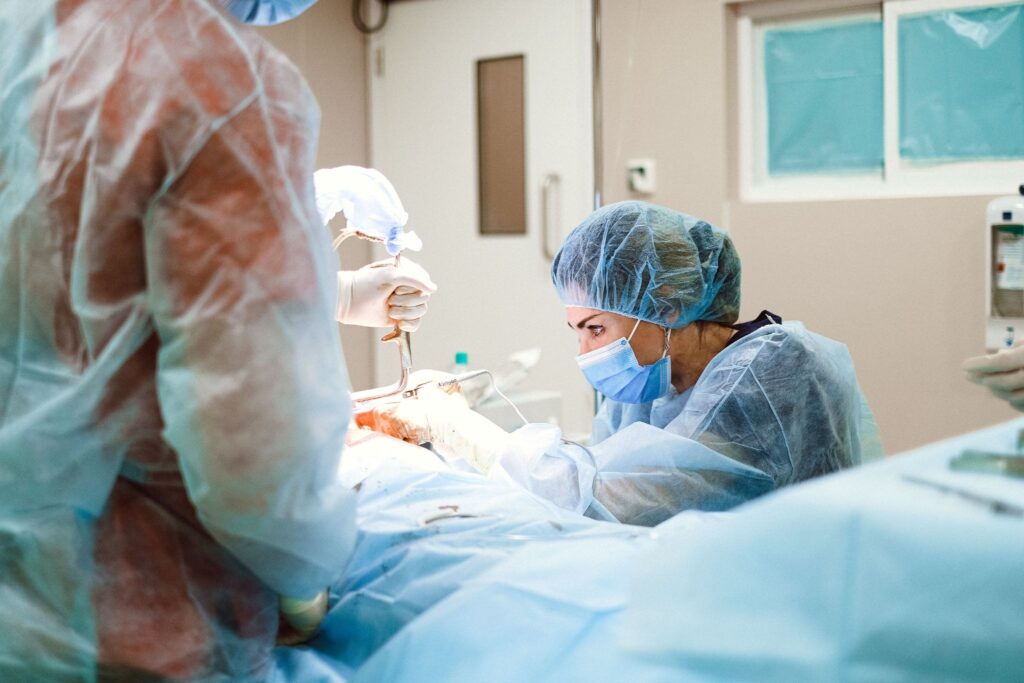
Laparoscopic surgery, also known as keyhole surgery or minimally invasive surgery, is a procedure where surgeons operate through small incisions instead of making a large surgical opening.
During laparoscopic surgery:
- A thin camera called a laparoscope is inserted through a small incision.
- The camera provides a magnified view of internal organs on a monitor.
- Specialised surgical instruments are inserted through additional small openings.
- The surgeon performs the procedure while viewing the surgical area on a screen.
This technique helps minimise tissue damage and allows surgeons to treat several abdominal and pelvic conditions effectively.
How Does Laparoscopic Surgery Work?
Before recommending laparoscopic surgery, the surgeon evaluates the patient’s medical history, overall health, and the complexity of the condition to determine whether the procedure is appropriate.
Steps During Laparoscopic Surgery
The procedure generally involves:
- General anaesthesia is administered to keep the patient comfortable.
- Small incisions are made in the abdomen.
- Carbon dioxide gas may be introduced to create space and improve visibility.
- The laparoscope and surgical instruments are inserted.
- The surgeon performs the procedure while viewing enlarged images on a monitor.
- The small incisions are closed after completion.
The exact steps vary depending on the type of laparoscopic procedure being performed.
Benefits of Laparoscopic Surgery
Compared with traditional open surgery, laparoscopic procedures may provide several advantages for suitable patients.
Smaller Incisions and Minimal Scarring
Laparoscopic surgery requires small cuts rather than a large surgical opening. This often results in smaller scars and less disruption to surrounding tissues.
Reduced Post-Surgical Pain
Because the incisions are smaller, many patients experience less discomfort during recovery compared with open surgery.
Faster Recovery Time
Many laparoscopic procedures allow patients to resume daily activities sooner. Recovery time depends on the type of surgery, overall health, and individual healing process.
Shorter Hospital Stay
Several laparoscopic surgeries may require a shorter hospital stay, allowing patients to continue recovery at home.
Lower Chance of Wound-Related Problems
Smaller surgical wounds may reduce certain wound complications compared with larger incisions.
Improved Cosmetic Results
The smaller scars associated with laparoscopic surgery are often preferred by many patients.
Common Types of Laparoscopic Surgery
Laparoscopic Gallbladder Removal (Cholecystectomy)
Laparoscopic gallbladder removal is one of the most commonly performed laparoscopic procedures. It is usually recommended for patients with symptomatic gallstones, gallbladder inflammation, or repeated gallbladder attacks.
Laparoscopic Hernia Repair
Laparoscopic hernia repair helps strengthen weakened areas of the abdominal wall. The procedure may be suitable depending on the type and severity of the hernia.
Laparoscopic Appendix Removal (Appendectomy)
Appendix removal can often be performed using minimally invasive techniques in patients diagnosed with appendicitis.
Laparoscopic Bowel Surgery
Certain intestinal conditions may be treated using laparoscopic methods depending on disease severity and patient suitability.
Diagnostic Laparoscopy
Diagnostic laparoscopy allows surgeons to examine abdominal organs using a camera to identify the cause of unexplained symptoms.
Who May Need Laparoscopic Surgery?
A surgeon may recommend laparoscopic surgery for conditions including:
- Gallstones
- Hernias
- Appendicitis
- Certain abdominal conditions
- Gastrointestinal disorders
- Selected reproductive and pelvic conditions
However, laparoscopic surgery is not suitable for every patient. Factors such as previous abdominal surgeries, medical conditions, infection, and surgical complexity are considered before selecting the appropriate approach.
Recovery After Laparoscopic Surgery
Recovery time depends on:
- Type of surgery performed
- Patient’s age and overall health
- Healing capacity
- Presence of other medical conditions
General recovery instructions include:
- Keep surgical wounds clean and dry.
- Take prescribed medications as advised.
- Avoid heavy lifting until approved by your surgeon.
- Maintain proper nutrition and hydration.
- Gradually return to normal activities.
- Attend scheduled follow-up appointments.
Many patients recover faster after laparoscopic procedures compared with open surgery, but recovery timelines vary.
Laparoscopic Surgery vs Open Surgery
| Laparoscopic Surgery | Open Surgery |
| Small incisions | Larger surgical opening |
| Less tissue disruption | More tissue exposure |
| Smaller scars | Larger scars |
| Often faster recovery | Usually longer recovery |
| Camera-assisted technique | Direct surgical access |
The best surgical approach depends on the patient’s condition, safety requirements, and surgeon’s recommendation.
Risks and Considerations of Laparoscopic Surgery
Although laparoscopic surgery is generally considered safe, every surgical procedure carries some risks.
Possible risks include:
- Infection
- Bleeding
- Anaesthesia-related complications
- Injury to nearby organs
- Blood clots
- Conversion to open surgery in complex cases
A detailed discussion with your surgeon helps you understand the possible benefits and risks before treatment.
When Should You Consult a General Surgeon?
You should consult a surgical specialist if you experience:
- Persistent abdominal pain
- Repeated gallstone symptoms
- Increasing hernia swelling
- Symptoms of appendicitis
- Digestive problems requiring evaluation
- Pain affecting daily activities
Early consultation helps determine whether surgery or another treatment option is appropriate.
Laparoscopic Surgery Treatment in Chennai — Supreme Hospitals
At Supreme Hospitals, Chennai, experienced general surgeons use advanced laparoscopic techniques to treat conditions such as gallstones, hernias, appendicitis, and other abdominal disorders. Using small incisions, high-definition cameras, and specialised instruments, laparoscopic surgery helps reduce tissue damage, minimise scarring, and support faster recovery compared with conventional open surgery.
The General Surgery Department focuses on:
- Accurate diagnosis and detailed patient evaluation
- Modern minimally invasive surgical techniques
- Patient safety and quality surgical care
- Personalised treatment plans based on individual health needs
- Comprehensive pre-operative and post-operative support
Patients from OMR, Padur, Navalur, Sholinganallur, and nearby Chennai areas can consult the General Surgery Department at Supreme Hospitals for expert evaluation and advanced laparoscopic treatment options.
Frequently Asked Questions
Is laparoscopic surgery safer than open surgery?
Laparoscopic surgery can offer benefits such as smaller scars, reduced pain, and faster recovery for suitable patients. However, the safest surgical approach depends on the patient’s medical condition, the complexity of the procedure, and the surgeon’s recommendation.
How long does recovery take after laparoscopic surgery?
Recovery time depends on the type of laparoscopic procedure performed, the patient’s overall health, and the healing process. Some patients may return to normal activities within a few days, while complex surgeries may require several weeks.
Is laparoscopic surgery painful?
Some discomfort after laparoscopic surgery is normal. However, many patients experience less pain compared with open surgery because laparoscopic procedures involve smaller incisions and less tissue disruption.
What are the most common laparoscopic procedures?
Common laparoscopic procedures include laparoscopic gallbladder removal, hernia repair, appendix removal, bowel surgery, and diagnostic laparoscopy for evaluating abdominal conditions.
How much does laparoscopic surgery cost in Chennai?
The cost of laparoscopic surgery in Chennai depends on the type of procedure, hospital facilities, surgeon expertise, diagnostic tests, and individual patient requirements. A consultation with a specialist helps determine the appropriate treatment plan and estimated cost.
Is laparoscopic surgery available at Supreme Hospitals Chennai?
Yes.Supreme Hospitals Chennai provides advanced laparoscopic surgical procedures with specialist evaluation, modern facilities, and personalised treatment plans for eligible patients.
Medically Reviewed By
Dr. Felix Anand Raj
MBBS, MS (General Surgery)
Dr. S. Mathan Sankar
MBBS, MS (General Surgery), MCh (Neurosurgery)
General Surgery Department
Supreme Hospitals, Chennai
