


Understanding Hair Fall and Weak Hair Roots
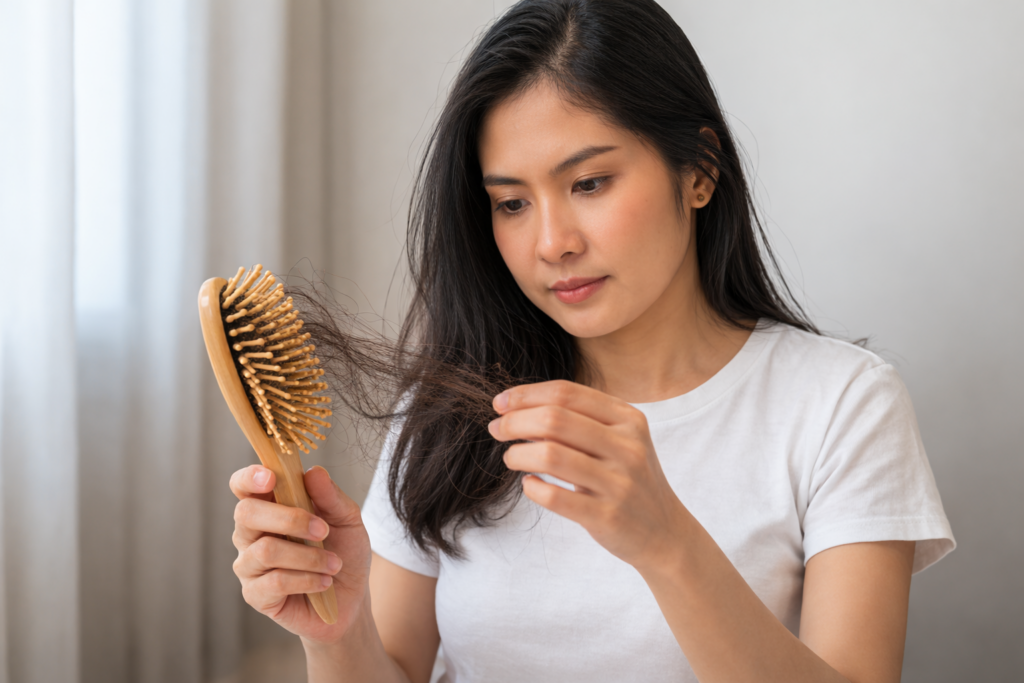
Hair fall is one of the most common concerns seen in dermatology clinics today. Many individuals experience hair fall and weak roots due to factors such as stress, hormonal imbalance, poor nutrition, scalp infections, and environmental pollution.
When hair roots become weak, hair strands tend to break easily, resulting in thinning and excessive shedding. While medical evaluation is important in cases of severe hair loss, certain natural oils and scalp care practices may help support scalp health and strengthen hair follicles.
These oils can help nourish the scalp, improve blood circulation, and support overall follicle health.
In this article, we explore five natural oil tips that may help reduce hair fall and strengthen weak roots when used as part of a healthy hair care routine.
Common Causes of Hair Fall and Weak Roots
Hair fall is not only a cosmetic issue—it can sometimes indicate underlying health conditions such as nutritional deficiencies, hormonal imbalance, thyroid disorders, or scalp infections.
According to the American Academy of Dermatology, losing 50–100 strands of hair per day is considered normal. However, persistent hair fall or visible thinning may require medical attention.
Common causes of hair fall and weak roots include:
- Chronic stress
- Poor scalp circulation
- Iron or vitamin deficiencies
- Hormonal imbalances
- Excessive chemical hair treatments
- Environmental pollution
Research published in the International Journal of Trichology suggests that maintaining healthy scalp conditions and proper follicle nourishment plays a vital role in supporting normal hair growth.
Natural oils can help support scalp health because they may:
- nourish hair roots
- improve blood circulation in the scalp
- maintain scalp hydration
- reduce mild inflammation
However, individuals experiencing severe hair loss should consult a dermatologist for proper diagnosis and treatment.
How Natural Oils Support Scalp Health and Hair Growth
Hair growth occurs from hair follicles located beneath the scalp. Each follicle requires adequate nutrients, oxygen, and blood supply to produce healthy hair strands.
When scalp circulation is poor or follicles are weakened, hair may enter the shedding phase prematurely.
Certain natural oils may help support follicle health by:
Nourishing Hair Follicles
Botanical oils contain fatty acids, antioxidants, and vitamins that help nourish the scalp and hair roots.
Improving Scalp Circulation
Gentle scalp massage using oil may stimulate blood circulation, helping deliver nutrients to the hair follicles.
Reducing Scalp Irritation
Some essential oils, such as rosemary oil, have anti-inflammatory properties that may soothe scalp irritation.
Supporting Hair Root Strength
Regular scalp care may help reduce dryness, breakage, and root weakness.
When combined with a balanced diet and proper medical care, these practices may help support healthy hair growth.
5 Natural Oils That May Help Strengthen Hair Roots
Below are five natural oil techniques that dermatology experts often suggest as supportive scalp care practices for managing hair fall and weak roots.
1. Rosemary Oil for Follicle Stimulation
Rosemary oil is widely studied for its potential benefits in improving hair growth.
A 2015 study published in SkinMed Journal reported that rosemary oil showed similar improvement in hair thickness compared to minoxidil in certain cases.
Possible benefits:
- supports follicle stimulation
- improves scalp circulation
- may reduce hair thinning
How to use:
Mix 5 drops of rosemary essential oil with a carrier oil such as coconut oil and gently massage into the scalp for 5–10 minutes.
Leave it for 30 minutes before washing.
2. Methi Oil for Root Strength
Methi oil (fenugreek oil) has been traditionally used in Ayurvedic hair care for strengthening hair roots.
Fenugreek seeds contain:
- proteins
- iron
- nicotinic acid
These nutrients may help support scalp nourishment and reduce hair breakage.
How to use:
Warm methi oil slightly and massage it gently into the scalp. Leave it overnight before washing.
3. Coconut Oil for Deep Nourishment
Coconut oil is one of the most commonly recommended natural oils for scalp care.
Studies published in the Journal of Cosmetic Science show that coconut oil can help reduce protein loss from hair strands.
Benefits include:
- strengthening hair roots
- preventing hair breakage
- moisturizing the scalp
Applying warm coconut oil two times per week may help maintain healthy hair.
4. Castor Oil for Hair Thickness
Castor oil contains ricinoleic acid, which may help improve blood circulation in the scalp.
It also has antimicrobial properties that may help maintain a healthy scalp environment.
Possible benefits:
- supports hair density
- nourishes hair follicles
- helps strengthen weak roots
Because castor oil is thick, it is usually mixed with lighter oils like almond oil or coconut oil.
5. Ayurvedic Oil Massage Therapy
Scalp massage using herbal oils is commonly recommended in traditional hair care practices.
Massage can help:
- stimulate hair follicles
- improve blood circulation
- relieve stress
- strengthen weak hair roots
According to the American Institute of Stress, nearly 70% of adults experience physical symptoms caused by stress, which may include hair loss.
Regular scalp massage may therefore help support both scalp health and stress management.
Benefits
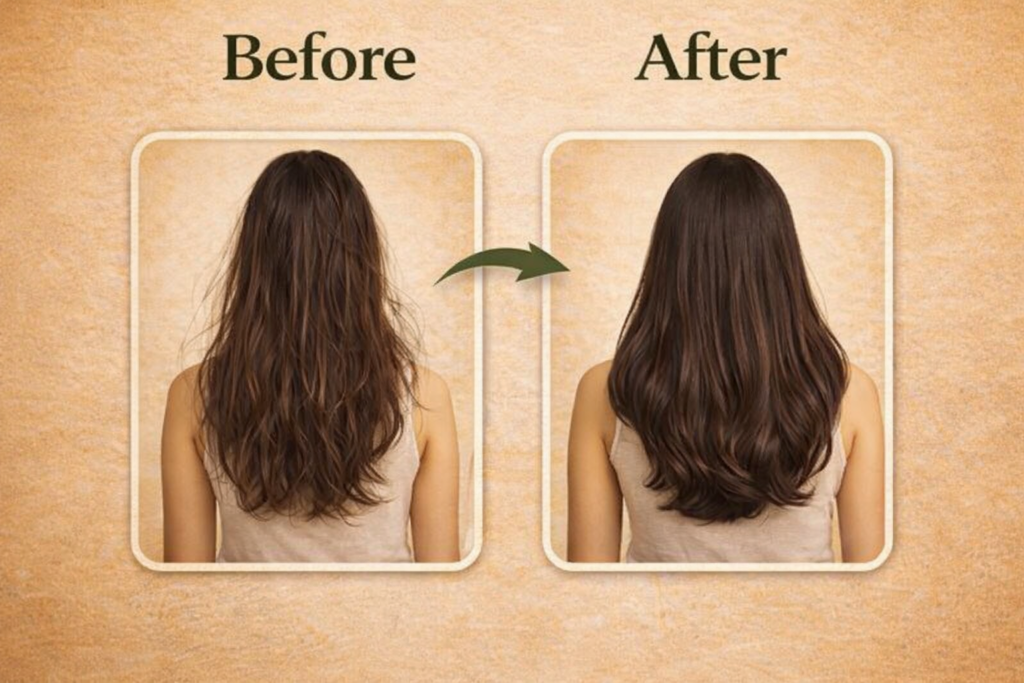
Using natural oils as part of a hair care routine may provide several benefits.
Strengthens Hair Roots
Oils may help nourish follicles and reduce hair breakage.
Supports Follicle Health
Essential fatty acids and nutrients in oils support scalp health.
Improves Hair Texture
Regular oiling may help reduce dryness and improve hair smoothness.
Promotes Relaxation
Scalp massage may reduce stress and improve overall well-being.
Risks or Challenges
While natural oils are generally safe, some precautions should be considered.
Allergic Reactions
Some essential oils may cause irritation if used directly on the scalp.
Always perform a patch test before application.
Excess Oil Buildup
Using excessive oil may clog pores or attract dirt.
Moderate application is recommended.
Delayed Results
Natural remedies take time and may not replace medical treatments for severe hair loss.
Quality of Oils
Use high-quality cold-pressed oils to avoid harmful additives.
Precautions When Using Natural Oils for Hair Care
To achieve better results with natural oils, follow these tips:
1. Use Warm Oil
Warm oil penetrates the scalp more effectively.
2. Massage Gently
Gentle massage improves circulation without damaging follicles.
3. Maintain a Balanced Diet
Hair health depends on nutrients such as iron, protein, and vitamins.
4. Manage Stress
Yoga, meditation, and relaxation techniques may help reduce hair fall related to stress.
5. Consult a Doctor if Hair Loss Persists
Persistent or severe hair fall should be evaluated by a dermatologist.
Modern Treatments for Hair Loss
Hair care is evolving with advancements in dermatology and medical research.
Emerging trends include:
Personalized Hair Treatments
Dermatologists are increasingly using diagnostic tools to identify individual scalp conditions and recommend customized treatments.
Medical Hair Restoration
Treatments such as PRP therapy, laser therapy, and specialized medications are becoming more common for hair loss.
Natural Dermatology Solutions
Many patients are now combining medical treatments with natural scalp care practices.
Preventive Scalp Care
Early scalp health management is gaining importance in preventing hair loss.
Conclusion
Hair fall caused by weak roots and poor scalp health can affect confidence and overall well-being. While medical evaluation is essential for persistent hair loss, supportive care such as natural oil massage and scalp nourishment may help improve follicle health.
Oils such as rosemary oil, methi oil, coconut oil, and castor oil may support scalp circulation and hair strength when used correctly.
However, individuals experiencing excessive hair fall or sudden hair loss should consult a dermatologist for proper diagnosis and treatment.
A balanced approach combining medical guidance, healthy lifestyle habits, and proper scalp care is the best way to maintain strong and healthy hair.
FAQs
Hair fall and weak roots may occur due to stress, hormonal imbalance, nutritional deficiencies, scalp infections, or genetic factors. Consulting a dermatologist can help identify the underlying cause and determine the appropriate treatment.
Natural oils such as rosemary oil, coconut oil, and castor oil may support scalp health and strengthen hair roots when used regularly.
Oiling hair 2–3 times per week is generally sufficient for maintaining scalp hydration and improving circulation.
Yes. Stress can disrupt the normal hair growth cycle and lead to temporary hair shedding.
If hair fall is severe, sudden, or accompanied by scalp irritation or thinning patches, it is advisable to consult a dermatologist for evaluation and treatment.
