


Every year on March 16, India observes National Vaccination Day to highlight one of the most powerful tools in modern healthcare: vaccination. The day serves as a reminder that timely immunisation protects not just individuals but entire communities.
Vaccines have played a remarkable role in shaping global health. Diseases that once caused widespread illness and death, such as smallpox and polio, have been dramatically reduced or eliminated thanks to consistent vaccination programs.
Staying up to date with vaccines is not just recommended. It is essential for protecting lives and preventing the spread of infectious diseases.
Why National Vaccination Day Is Important Today
Vaccination programs have transformed global public health. However, infectious diseases can still spread quickly when vaccination coverage declines.
National Vaccination Day in India commemorates the launch of the Pulse Polio Immunisation Program in 1995, one of the most successful public health campaigns in the country.
Since then, vaccination initiatives have helped protect millions of children and adults from life-threatening diseases.
Public health authorities continue to focus on improving:
- Awareness of routine vaccination
- Timely immunisation among children
- Adult vaccination programs
- Community protection through herd immunity
According to the World Health Organisation (WHO), vaccines prevent 4–5 million deaths globally each year from diseases such as measles, tetanus, diphtheria, and influenza.
Similarly, UNICEF estimates that childhood immunisation prevents around 2–3 million deaths annually, making vaccines one of the most effective preventive healthcare measures available today.
Despite these achievements, gaps in vaccination coverage still exist. This is why awareness campaigns like National Vaccination Day remain essential.
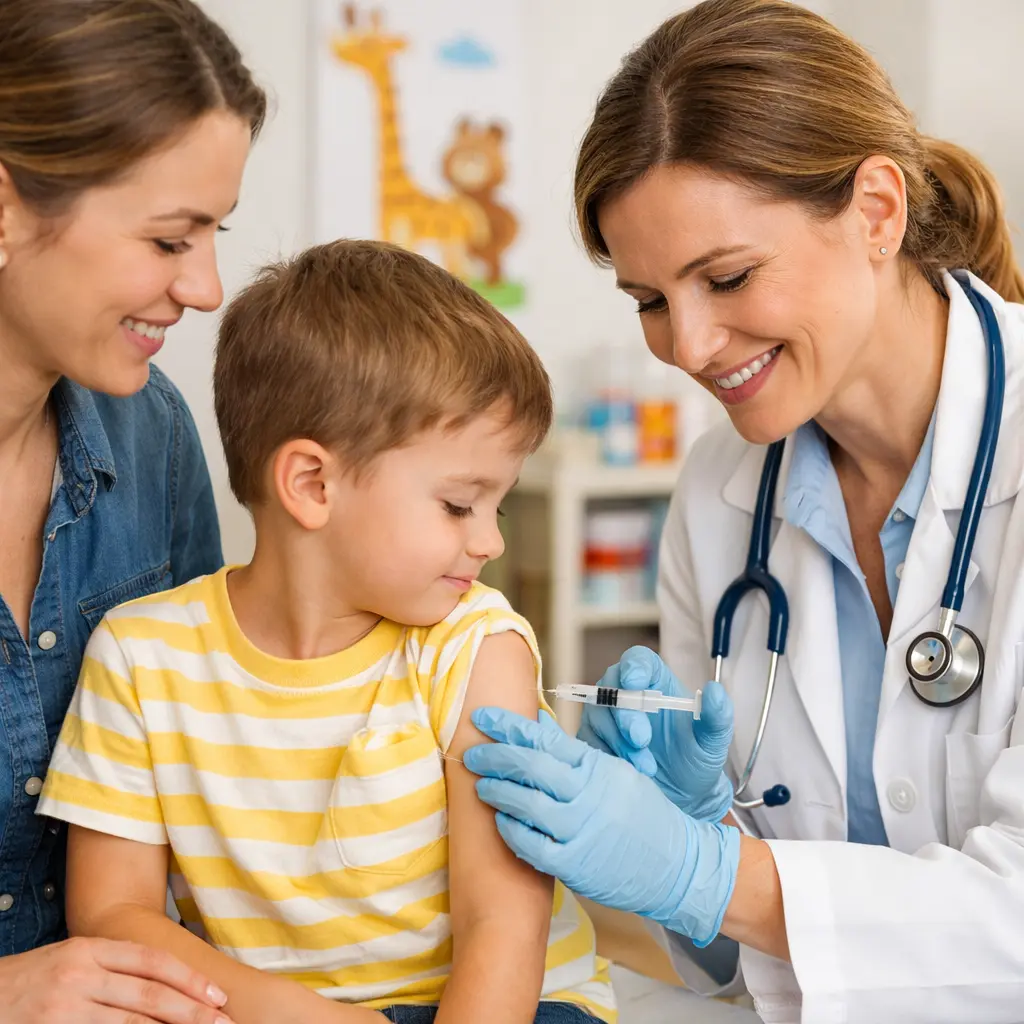
How Vaccination and Timely Immunisation Work
Vaccines work by preparing the body’s immune system to recognise and fight harmful pathogens.
When a vaccine is administered, it introduces a weakened or inactive component of a virus or bacteria into the body. This stimulates the immune system to produce antibodies without causing the disease itself.
If the body later encounters the real infection, the immune system can respond quickly and effectively.
Timely immunisation ensures vaccines are given at the correct age when protection is most needed.
Examples include:
- Newborn vaccines that protect infants from tuberculosis and hepatitis B
- Early childhood vaccines that prevent polio, diphtheria, and measles
- Adolescent vaccines that protect against infections such as HPV
- Adult vaccines that help prevent influenza, pneumonia, and shingles
Following the recommended vaccination schedule ensures that individuals receive protection during their most vulnerable stages of life.
Strategies That Improve Vaccination Coverage
Public health systems rely on several strategies to ensure vaccines reach as many people as possible.
National Immunisation Programs
Government initiatives provide free or subsidised vaccines for children and vulnerable populations. India’s Universal Immunisation Programme (UIP) is one of the largest vaccination programmes in the world.
Public Awareness Campaigns
Educational campaigns play a vital role in addressing myths and misinformation about vaccines. Hospitals, healthcare professionals, and community health workers help educate families about the importance of immunization.
Digital Health Tracking
Modern healthcare systems increasingly use digital tools to track vaccination schedules and send reminders. These technologies help reduce missed doses and improve immunization coverage.
Benefits of Timely Immunization
Vaccination offers benefits that extend far beyond individual health.
Prevention of Serious Diseases
Vaccines help prevent diseases such as:
- Polio
- Measles
- Hepatitis B
- Tetanus
- Diphtheria
Many of these diseases once caused severe illness and death, particularly among children.
Herd Immunity and Community Protection
When a large percentage of the population is vaccinated, the spread of infectious diseases slows significantly.
This concept, known as herd immunity, protects individuals who cannot receive vaccines due to medical conditions, such as newborns or people with weakened immune systems.
Reduced Healthcare Costs
Preventing diseases through vaccination is far more cost-effective than treating them.
According to the Centers for Disease Control and Prevention (CDC), routine childhood immunization programs save billions of dollars in healthcare costs and productivity losses.
Protection Throughout Life
Vaccination is not limited to childhood. Adults also benefit from vaccines that protect against influenza, pneumonia, HPV-related cancers, and shingles.
Preventive healthcare strategies increasingly emphasize lifelong immunization.
Challenges in Immunization Programs
Despite overwhelming scientific evidence supporting vaccination, several challenges still affect immunization efforts.
Vaccine Hesitancy
Misinformation and myths spread through social media sometimes discourage people from vaccinating themselves or their children. Accurate information from trusted healthcare providers is essential to address these concerns.
Limited Access to Healthcare
In some regions, people face challenges such as:
- Distance from healthcare facilities
- Limited healthcare infrastructure
- Lack of awareness about vaccination schedules
These barriers can reduce immunization coverage.
Delayed Vaccinations
Parents sometimes postpone vaccines due to illness, travel, or scheduling difficulties. Delays can leave children temporarily vulnerable to infections.
Maintaining timely vaccination schedules helps ensure continuous protection.
Best Practices for Maintaining Timely Immunization
Healthcare providers recommend several simple steps to ensure vaccines are administered on time.
Follow the Recommended Vaccination Schedule
Parents should consult pediatricians and maintain accurate vaccination records for their children.
Consult Trusted Healthcare Professionals
Doctors and pediatricians provide reliable guidance regarding vaccine safety, schedules, and benefits.For expert paediatrics guidance and trusted vaccination advice, visit Supreme Hospitals and ensure your child’s health is protected through timely immunization.
Verify Reliable Health Information
It is important to rely on trusted sources such as healthcare professionals, government health departments, and organizations like WHO for accurate vaccine information.
Future Trends in Vaccination and Public Health
Advancements in medical research and technology continue to shape the future of vaccination.
mRNA Vaccine Technology
mRNA vaccines gained global recognition during the COVID-19 pandemic and are now being researched for diseases such as influenza and certain cancers.
Personalized Vaccination Programs
Future healthcare systems may tailor vaccination schedules based on individual health risks and genetic factors.
Global Immunization Collaboration
International organizations are working together to improve vaccine accessibility and ensure equitable distribution worldwide.
Digital Health Monitoring
Electronic health records and AI-driven health analytics may help track vaccination coverage and improve public health responses.
These innovations could significantly strengthen immunization programs in the coming years.
Conclusion
Timely immunization remains one of the most powerful tools in preventive healthcare.
By protecting individuals from infectious diseases, vaccines strengthen families, communities, and entire healthcare systems. National Vaccination Day 2026 reminds us that vaccination is not just a personal choice but a collective responsibility.
Staying informed, following recommended vaccination schedules, and supporting public health initiatives can help build a healthier future for everyone.
FAQs
Timely immunization protects children during their most vulnerable stages of development. Vaccines build immunity before exposure to dangerous diseases such as measles, polio, and hepatitis, ensuring strong protection during early childhood.
National Vaccination Day is observed on March 16 to mark the launch of India’s Pulse Polio Immunization Program in 1995 and to promote awareness about the importance of vaccination.
Herd immunity occurs when a large portion of the population becomes immune to a disease through vaccination, reducing the chances of infection spreading within communities.
If a vaccine dose is missed, healthcare providers typically recommend a catch-up vaccination schedule. Delays may temporarily reduce protection, but the schedule can usually be adjusted.
Vaccines help prevent several infectious diseases including measles, polio, tetanus, diphtheria, hepatitis B, influenza, and HPV-related infections.
