


Understanding Whether Genes Decide Lung Cancer Risk in Smokers
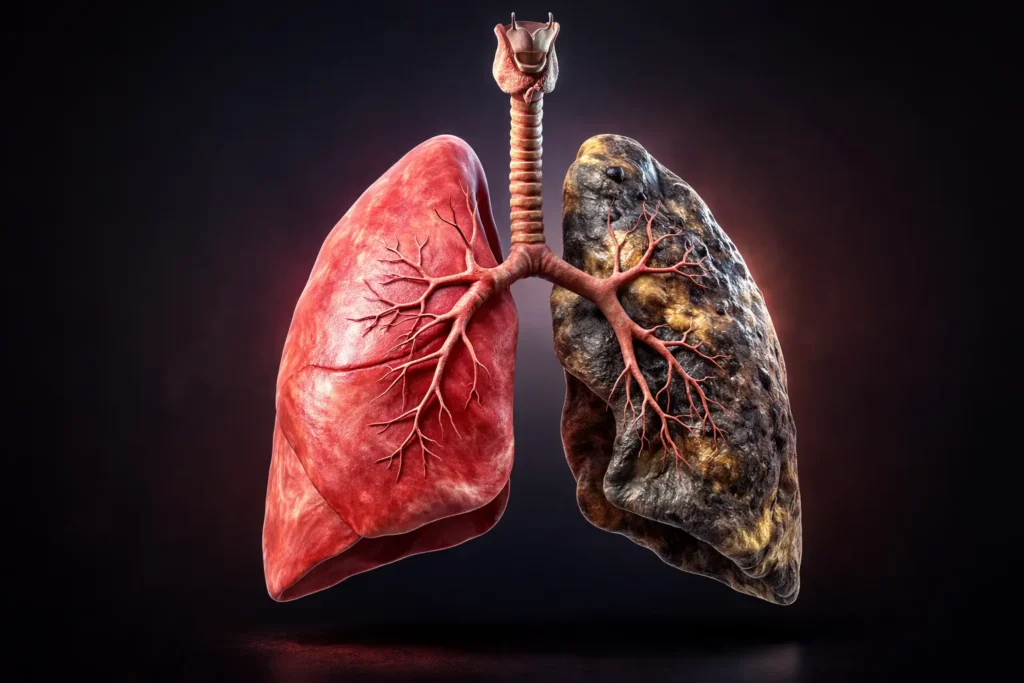
The question “Do genes decide lung cancer in smokers?” is one of the most important and misunderstood topics in modern healthcare. While smoking remains the leading cause of lung cancer, not all smokers develop the disease. This raises a critical question: why do some individuals get lung cancer while others do not?
The answer lies in a combination of genetic predisposition and environmental exposure. Genes do not directly “decide” outcomes, but they significantly influence how the body responds to harmful substances like tobacco smoke.
Why This Topic Matters in Modern Healthcare
Lung cancer is one of the leading causes of cancer-related deaths worldwide.
- According to the World Health Organization (WHO), lung cancer accounts for nearly 1.8 million deaths annually.
- Research shows that smoking contributes to about 85–90% of lung cancer cases.
However, a surprising number of lifelong smokers never develop lung cancer, while some non-smokers do. This variation highlights the importance of understanding genetic risk factors.
Understanding this relationship helps:
- Improve early detection
- Personalize treatment
- Promote targeted prevention strategies
How Genetics and Smoking Work Together in Lung Cancer Development
Role of Carcinogens in Tobacco Smoke
Cigarette smoke contains over 7,000 chemicals, many of which are carcinogens. These substances damage DNA in lung cells.
DNA Mutations and Cancer Formation
When DNA is damaged repeatedly, it can lead to mutations. Some mutations affect genes that control cell growth, leading to cancer.
Genetic Susceptibility
Some individuals inherit genes that:
- Reduce their ability to repair DNA damage
- Increase sensitivity to carcinogens
- Affect immune response to abnormal cells
This means two smokers with similar habits may have very different risks.
Key Factors That Influence Lung Cancer Risk in Smokers
1. Genetic Variations
Certain gene mutations make individuals more vulnerable to cancer.
2. Duration and Intensity of Smoking
The number of cigarettes and years of smoking significantly impact risk.
3. Environmental Exposure
Air pollution, occupational hazards, and secondhand smoke increase risk.
4. Lifestyle Factors
Diet, physical activity, and overall health also play a role.
5. Family History
A history of lung cancer in the family may indicate genetic susceptibility.
Strategies to Reduce Lung Cancer Risk
Quit Smoking
The most effective way to reduce risk is to stop smoking.
Regular Screening
High-risk individuals should undergo:
- Low-dose CT scans
- Routine health check-ups
Healthy Lifestyle Choices
- Balanced diet rich in antioxidants
- Regular exercise
- Avoid exposure to pollutants
Genetic Awareness
Understanding family history can help assess risk early.

Benefits of Understanding Genetic Risk
- Early detection of high-risk individuals
- Personalized prevention strategies
- Better treatment outcomes
- Increased awareness and education
Challenges in Understanding Genetic Influence
- Genetic testing is not always accessible
- Risk prediction is complex
- Environmental factors still play a dominant role
- Misinterpretation of genetic data can cause unnecessary fear
Best Practices for Prevention and Awareness
- Avoid tobacco use completely
- Get regular health screenings
- Stay informed about family medical history
- Consult healthcare professionals for risk assessment
Future Trends in Lung Cancer Research
Personalized Medicine
Treatments tailored based on genetic profiles.
Advanced Screening Technologies
Improved imaging and early detection tools.
AI in Healthcare
AI is helping identify patterns in cancer risk and diagnosis.
Genetic Research Advancements
Ongoing studies aim to identify more cancer-related genes.
Conclusion
So, do genes decide lung cancer in smokers? The answer is no—but they play a significant role. Smoking remains the primary risk factor, but genetics influence how the body reacts to that exposure.
Understanding both factors is essential for prevention, early detection, and effective treatment. As research advances, combining lifestyle awareness with genetic insights will be key to reducing lung cancer risk.
FAQs
No, genes do not decide lung cancer entirely. However, they influence how the body responds to smoking, affecting overall risk.
Some individuals have genetic factors that help repair DNA damage more effectively, reducing their risk despite smoking.
Lung cancer itself is not directly inherited, but genetic susceptibility can increase risk.
Quitting smoking, regular screenings, and maintaining a healthy lifestyle significantly reduce risk.
Genetic testing can provide insights, but it is usually combined with lifestyle and environmental factors for accurate risk assessment
