


Featured Snippet Answer
Glaucoma is a group of eye diseases that damage the optic nerve, usually due to increased eye pressure. It often develops silently without symptoms and can cause permanent vision loss if untreated. Regular eye examinations help detect glaucoma early and protect eyesight.
Introduction
Glaucoma is one of the leading causes of irreversible blindness worldwide. Often called the “silent thief of sight,” it can develop gradually without noticeable symptoms until significant vision loss has occurred.
Because early-stage glaucoma frequently causes no pain or obvious warning signs, regular eye examinations are crucial for protecting long-term vision. Understanding the symptoms, risk factors, and treatment options can help individuals seek timely medical care and reduce the risk of permanent vision loss.
What Is Glaucoma?
Glaucoma refers to a group of eye conditions that damage the optic nerve, which transmits visual information from the eye to the brain. While increased intraocular pressure (IOP) is a common cause, glaucoma can also occur in people with normal eye pressure.
Without treatment, glaucoma may progressively worsen and lead to irreversible blindness.
Common Types of Glaucoma
Primary Open-Angle Glaucoma
The most common type, developing slowly and often without symptoms in the early stages.
Angle-Closure Glaucoma
Occurs when the drainage angle of the eye becomes blocked, causing a sudden rise in eye pressure. This is a medical emergency.
Normal-Tension Glaucoma
Optic nerve damage occurs despite normal eye pressure levels.
Secondary Glaucoma
Develops due to another eye disease, injury, medication use, or underlying medical condition.
Early Signs and Symptoms
Glaucoma may not cause symptoms initially. As the condition progresses, symptoms may include:
- Gradual loss of side vision
- Blurred vision
- Difficulty seeing in low light
- Tunnel vision in advanced stages
- Eye pain
- Eye redness
- Halos around lights
- Headaches associated with vision changes
Emergency Symptoms
Seek immediate medical attention if you experience:
- Severe eye pain
- Sudden blurred vision
- Severe headache
- Nausea or vomiting
- Sudden vision loss
- Halos around lights
Who Is at Risk?
Risk factors for glaucoma include:
- Age over 40 years
- Family history of glaucoma
- Diabetes
- High eye pressure
- High blood pressure
- Severe nearsightedness
- Previous eye injuries
- Long-term steroid use
- Thin corneas
Individuals with these risk factors should undergo regular eye examinations.
Key Points to Remember
- Glaucoma can cause permanent vision loss.
- Early stages often have no symptoms.
- Routine eye screenings are essential.
- People over 40 should have regular eye check-ups.
- Early treatment can help preserve vision.
How Glaucoma Is Diagnosed
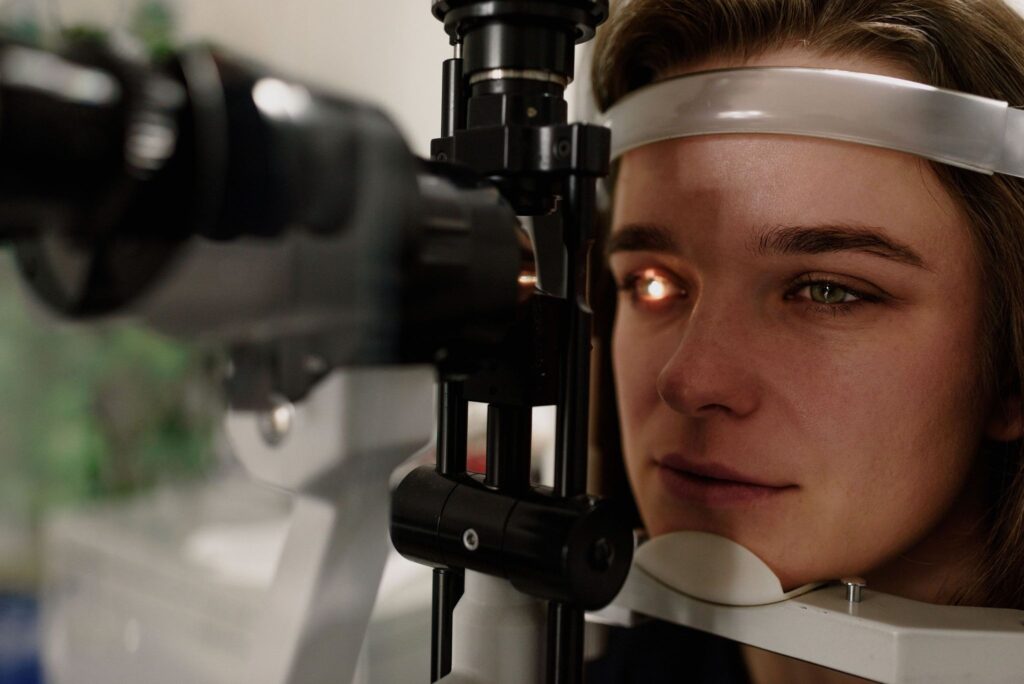
Early diagnosis plays a vital role in preventing vision loss.
Comprehensive Eye Examination
Evaluates overall eye health and identifies abnormalities.
Tonometry
Measures intraocular pressure.
Optic Nerve Assessment
Examines the optic nerve for signs of damage.
Visual Field Testing
Detects peripheral vision loss.
Optical Coherence Tomography (OCT)
Provides detailed images of the optic nerve and retina to identify early damage.
Treatment Options
Although glaucoma-related vision loss cannot usually be reversed, treatment can help slow disease progression.
Eye Drops
Often prescribed to lower eye pressure and reduce optic nerve damage.
Oral Medications
May be used when additional pressure control is required.
Laser Treatment
Improves drainage of fluid from the eye and helps lower pressure.
Surgery
Recommended when medications and laser therapy do not provide adequate control.
Lifestyle Measures
Patients should:
- Control diabetes and blood pressure
- Follow prescribed treatments
- Attend regular follow-up appointments
- Maintain a healthy lifestyle
When to See an Eye Specialist
Consult an ophthalmologist if you experience:
- Persistent blurred vision
- Eye pain
- Halos around lights
- Sudden changes in vision
- Eye redness associated with headache or nausea
Adults over 40 years of age, especially those with diabetes or a family history of glaucoma, should schedule regular eye examinations.
For residents of Chennai, OMR, Padur, and surrounding areas, routine ophthalmology consultations can help detect glaucoma early and prevent avoidable vision loss.
Case Example
A 52-year-old individual attended a routine eye examination despite having no symptoms. Testing revealed elevated eye pressure and early optic nerve changes consistent with glaucoma. Because the condition was identified early, treatment was started promptly, helping preserve vision and prevent further damage.
This highlights the importance of regular eye screenings, even when vision appears normal.
What You Can Do Now
- Schedule routine eye examinations.
- Monitor chronic conditions such as diabetes and hypertension.
- Inform your doctor about any family history of glaucoma.
- Follow treatment recommendations carefully.
- Seek urgent care for sudden vision changes or severe eye pain.
Why This Matters
Glaucoma often progresses silently until vision loss has already occurred. Early detection and treatment provide the best opportunity to preserve eyesight and maintain quality of life.
Regular eye examinations remain the most effective way to identify glaucoma before significant vision damage develops.
Expert Glaucoma Care at Supreme Hospitals
The Ophthalmology Department at Supreme Hospitals provides comprehensive glaucoma screening, advanced diagnostic testing, medical management, laser procedures, and surgical treatment for glaucoma and other eye conditions.
For residents of Chennai, OMR, Padur, and nearby areas, our experienced ophthalmologists offer personalized care focused on early detection, effective treatment, and long-term vision preservation.
Frequently Asked Questions
What are the early signs of glaucoma?
Most people have no symptoms initially. Gradual loss of peripheral vision is often one of the earliest signs.
Can glaucoma cause blindness?
Yes. Untreated glaucoma can result in permanent vision loss and blindness.
Is glaucoma hereditary?
Yes. Individuals with a family history of glaucoma have a higher risk and should undergo regular screening.
Can glaucoma be cured?
There is currently no cure, but treatment can effectively slow progression and preserve vision.
How often should glaucoma screening be performed?
Adults over 40 should have regular eye examinations. Higher-risk individuals may require more frequent screening.
their vision and maintain long-term eye health through personalized, patient-centered care.
Medically Reviewed By:
Dr. (Maj) G. Premnath
MBBS, MS (Ophthalmology), Clinical Fellowship in Glaucoma
