


Expert Review by: Dr. K. Anand Manjunath
Credentials: MBBS, MD (Paediatrics), DM (Cardiology)
Department: Consultant – Cardiology & Paediatric Cardiology
Published: April 20, 2026 | Topic: Cardiovascular Wellness & Heart Care
Health tracking has moved beyond step counts and calories. Today, people are focusing on deeper insights into how their body responds to food, stress, and daily habits.
This is where continuous glucose monitoring (CGM) for non-diabetics is gaining attention. Even without diabetes, tracking glucose levels can reveal patterns that affect energy, weight, and long-term metabolic health.
What is Continuous Glucose Monitoring (CGM)?
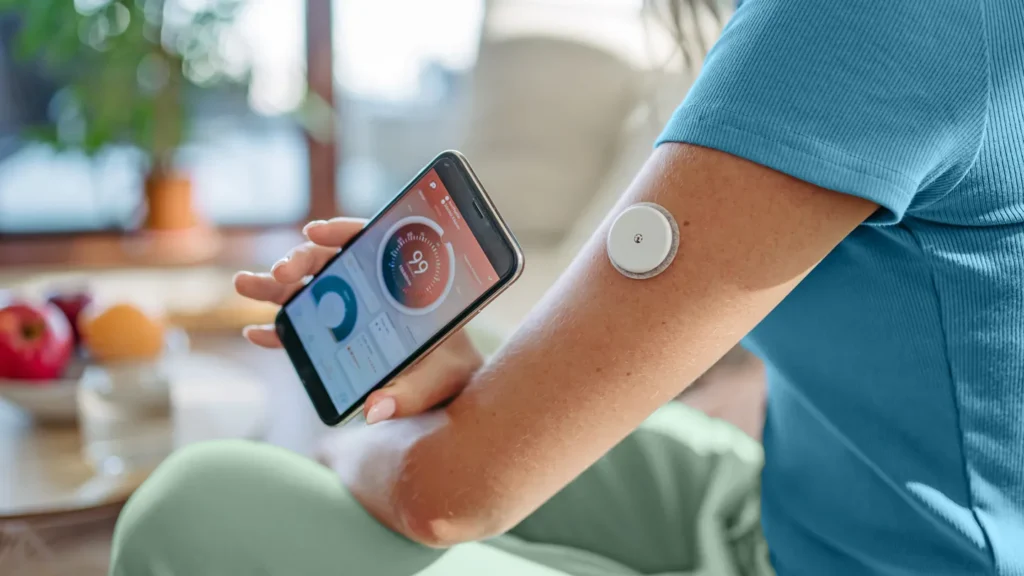
Continuous glucose monitoring is a system that uses a small wearable sensor to measure glucose levels continuously throughout the day.
Unlike traditional methods, CGM does not rely on blood samples. It measures glucose in the interstitial fluid glucose, which is the fluid surrounding your cells.
This allows for real-time tracking and better understanding of how your body responds to different triggers.
Difference Between Finger-Prick Tests and CGM Sensors
- Finger-Prick Tests:
- Provide a single glucose reading at a specific time
- Require manual testing
- Limited data for pattern analysis
- CGM Sensors:
- Offer continuous, real-time blood sugar monitoring
- Track trends and patterns over time
- Provide alerts for highs and lows
For non-diabetics, CGM offers a more complete view of glucose behavior rather than isolated readings.
Why Non-Diabetics Are Using CGM
Metabolic Health Tracking
CGM helps monitor how efficiently your body processes glucose. This is essential for understanding metabolic health and preventing future disorders.
Glucose Variability and Longevity
Glycemic variability, or fluctuations between high and low sugar levels, plays a role in long-term health. Stable glucose patterns are associated with better energy and reduced risk of chronic disease.
Insulin Sensitivity Optimization
By observing how glucose responds to meals, individuals can improve insulin sensitivity through better food choices and timing.
Real-Time Blood Sugar Monitoring for Athletes
Athletes and fitness enthusiasts are increasingly using CGM to optimize performance.
Real-time blood sugar monitoring helps:
- Maintain consistent energy during workouts
- Avoid sudden drops in glucose levels
- Plan nutrition strategies before and after training
Understanding Reactive Hypoglycemia
Some individuals experience reactive hypoglycemia, where blood sugar drops sharply after a high-carb meal.
This can cause:
- Fatigue
- Dizziness
- Sudden hunger
CGM helps identify these patterns and adjust diet accordingly.
How It Works / Diagnosis
A CGM sensor is placed on the skin, usually on the arm. It continuously measures glucose levels in the interstitial fluid and sends data to a mobile app.
This data includes:
- Real-time glucose levels
- Trends and patterns
- Alerts for sudden changes
Over time, this information builds a detailed profile of your metabolic response.
How to Use CGM Data to Improve Energy Levels
- Identify foods that cause rapid glucose spikes
- Avoid large fluctuations in glycemic variability
- Adjust meal timing for sustained energy
- Combine carbohydrates with protein or fiber
- Monitor how stress and sleep affect glucose
Using CGM data effectively helps maintain stable energy throughout the day.
Solutions / Practical Advice
Personalized Nutrition Data
CGM provides personalized nutrition data, showing how your body reacts to specific foods rather than relying on general diet plans.
Lifestyle Optimization
- Balanced meals with controlled carbohydrate intake
- Regular physical activity
- Consistent sleep schedule
- Stress management
These changes support better metabolic health tracking and long-term wellness.
Case Example
A 29-year-old fitness enthusiast from Chennai started using a CGM device to understand unexplained energy crashes during workouts. Despite a balanced diet, he often felt fatigue after meals.
CGM data revealed frequent glucose spikes followed by sharp drops, indicating high glycemic variability. Certain high-carb foods were triggering reactive hypoglycemia, especially before training sessions.
With guided changes in meal composition, including adding protein and fiber, and adjusting meal timing, glucose levels became more stable.
Within 4–6 weeks, energy levels improved significantly, and workout performance became more consistent. This case highlights how CGM can provide actionable insights even for non-diabetics.
What You Can Do Now
- Consider using CGM if you experience energy fluctuations
- Track your response to different foods
- Focus on reducing glucose variability
- Use insights to improve insulin sensitivity
Adopting this data-driven approach can help you make more informed health decisions.
Why This Matters
Metabolic disorders often develop silently over time. By the time symptoms appear, intervention becomes more complex.
Continuous glucose monitoring (CGM) for non-diabetics offers a proactive way to understand and manage health before problems arise. It shifts the focus from treatment to prevention and optimization.
FAQs
It is a wearable system that tracks glucose levels continuously, helping non-diabetics understand metabolic health and lifestyle impact.
Finger-prick tests provide single readings, while CGM sensors offer continuous, real-time data and trend analysis.
By identifying food triggers, stabilizing glucose levels, and adjusting diet and lifestyle based on real-time insights.
Yes, CGM provides detailed insights into glucose patterns, helping improve metabolic health and prevent future risks.
Glycemic variability refers to fluctuations in blood sugar levels between highs and lows, which can impact energy and long-term health.
