


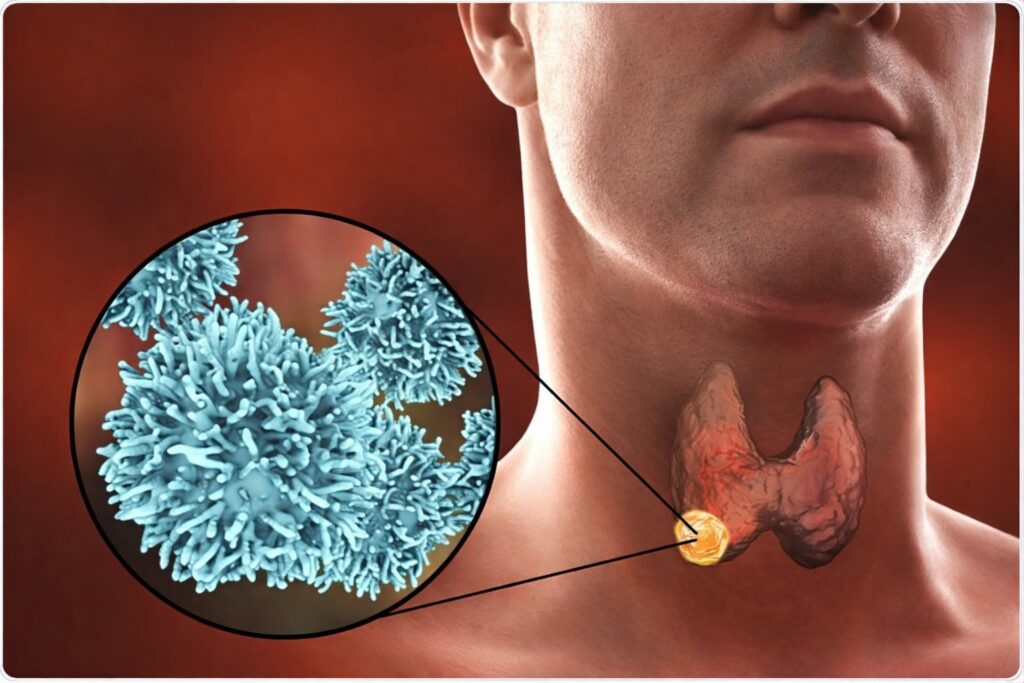
Thyroid cancer is a type of cancer that develops in the thyroid gland, a small butterfly-shaped organ located at the base of the neck. The thyroid gland plays a critical role in regulating metabolism, body temperature, and hormone production.
Although thyroid cancer is considered relatively uncommon compared to other cancers, its incidence has increased steadily over the past few decades. Understanding thyroid cancer causes and risk factors is essential for early detection and better prevention strategies.
In many cases, thyroid cancer develops slowly and may not produce noticeable symptoms in the early stages. This makes awareness of risk factors particularly important, as early diagnosis significantly improves treatment outcomes.
By understanding the biological triggers, genetic influences, and environmental factors involved, individuals and healthcare professionals can better recognize potential warning signs and take preventive steps.
Why Oral Cancer Awareness Is Important Today
In recent years, thyroid cancer has become one of the fastest-growing cancer diagnoses worldwide. While improved diagnostic technology plays a role in identifying more cases, researchers also believe lifestyle and environmental factors may contribute to the rising numbers.
Several factors explain why understanding thyroid cancer is more important today than ever:
- Increasing exposure to environmental radiation
- Growing awareness and screening of thyroid nodules
- Changes in diet and iodine consumption
- Genetic research revealing hereditary cancer risks
- Advances in imaging technologies detecting smaller tumors
Early awareness allows individuals to seek medical evaluation sooner, especially if they fall into higher-risk groups.
Public health awareness campaigns, medical research, and improved diagnostic tools continue to improve survival rates for thyroid cancer patients. However, knowledge about the causes and risk factors remains a key component of prevention.
How Thyroid Cancer Develops in the Body
To understand thyroid cancer causes and risk factors, it is helpful to first understand how the thyroid gland functions.
The thyroid gland is part of the endocrine system and produces hormones that regulate metabolism, heart rate, and body temperature. These hormones include thyroxine (T4) and triiodothyronine (T3).
Cancer begins when thyroid cells undergo genetic mutations that cause them to grow uncontrollably. Instead of following the normal life cycle of growth and death, these abnormal cells continue dividing and forming tumors.
These tumors may remain confined to the thyroid gland or spread to nearby lymph nodes and other parts of the body.
Several biological mechanisms may contribute to this process:
- Genetic mutations affecting cell growth regulation
- Radiation exposure damaging thyroid cells
- Hormonal imbalances affecting gland activity
- Abnormal immune responses
- Long-term inflammation of thyroid tissue
The most common forms of thyroid cancer include papillary thyroid cancer, follicular thyroid cancer, medullary thyroid cancer, and anaplastic thyroid cancer.
Each type develops differently and may be influenced by different risk factors.
Major Causes and Risk Factors of Thyroid Cancer
Understanding the key thyroid cancer causes and risk factors helps identify individuals who may benefit from early screening or medical monitoring.
Radiation Exposure
Radiation exposure is one of the strongest known risk factors for thyroid cancer.
People exposed to radiation during childhood, particularly in the head and neck region, have a significantly higher risk of developing thyroid cancer later in life.
Sources of radiation exposure may include:
- Medical radiation treatments during childhood
- Nuclear accidents
- Radiation therapy for other cancers
Children are particularly sensitive to radiation-related thyroid damage.
Genetic Factors and Family History
Some forms of thyroid cancer are linked to inherited genetic mutations.
Individuals with a family history of thyroid cancer or related endocrine disorders may have an increased risk.
Conditions associated with hereditary thyroid cancer include:
- Multiple endocrine neoplasia (MEN)
- Familial medullary thyroid cancer
- Certain inherited genetic syndromes
Genetic counseling and testing may be recommended for individuals with a strong family history.
Thyroid Nodules
Thyroid nodules are abnormal growths within the thyroid gland. While most nodules are benign, a small percentage may become cancerous.
Risk factors that increase the likelihood of malignant nodules include:
- Rapid growth of a thyroid lump
- Hard or irregular nodules
- Difficulty swallowing or breathing
- Voice changes or persistent hoarseness
Regular medical evaluation helps determine whether nodules require further testing.
Gender and Hormonal Influence
Thyroid cancer occurs more frequently in women than in men. Researchers believe hormonal factors may influence thyroid cell growth.
Estrogen may play a role in stimulating thyroid tissue activity, which may partly explain why thyroid cancer is more common in women, especially during reproductive years.
However, when thyroid cancer occurs in men, it may sometimes behave more aggressively.
Iodine Imbalance
Iodine is an essential nutrient required for thyroid hormone production.
Both iodine deficiency and excessive iodine intake may affect thyroid function and increase the risk of thyroid disorders.
Regions with low iodine consumption historically reported higher rates of certain thyroid cancers, particularly follicular thyroid cancer.
Maintaining balanced iodine intake through diet is important for thyroid health.
Benefits of Early Detection
Early detection significantly improves the prognosis of thyroid cancer.
When diagnosed early, thyroid cancer is highly treatable and often curable.
Benefits of early detection include:
- Higher treatment success rates
- Less aggressive treatment methods
- Lower risk of cancer spread
- Better long-term survival outcomes
Routine medical examinations and thyroid ultrasound imaging help identify suspicious thyroid nodules early.
Awareness of thyroid cancer symptoms also helps individuals seek timely medical attention.
Common symptoms may include:
- A lump or swelling in the neck
- Difficulty swallowing
- Persistent hoarseness
- Neck pain or discomfort
- Enlarged lymph nodes
Not all thyroid nodules are cancerous, but evaluation by a healthcare professional is essential.
Risks and Challenges in Diagnosis
Despite advances in medical technology, diagnosing thyroid cancer still presents several challenges.
One of the biggest difficulties is that early thyroid cancer often produces no symptoms.
Additionally, many thyroid nodules detected through imaging tests turn out to be benign. Distinguishing harmless nodules from cancerous ones requires specialized testing.
Common diagnostic procedures include:
- Thyroid ultrasound imaging
- Fine needle aspiration biopsy
- Blood tests for thyroid hormone levels
- Genetic testing in certain cases
Because thyroid nodules are relatively common, healthcare providers must carefully evaluate which cases require intervention.
Best Practices for Thyroid Health and Cancer Prevention
While not all thyroid cancer causes can be prevented, certain lifestyle practices may help support overall thyroid health.
Recommended practices include:
- Maintaining a balanced diet with adequate iodine intake
- Avoiding unnecessary radiation exposure
- Regular health checkups and thyroid screenings
- Monitoring thyroid nodules if present
- Seeking medical advice for persistent neck swelling
Individuals with a family history of thyroid cancer should consider periodic thyroid examinations.
Public awareness, preventive healthcare, and early diagnosis remain key tools in reducing thyroid cancer complications.
Future Trends in Thyroid Cancer Research
Medical research continues to advance the understanding and treatment of thyroid cancer.
Several promising developments are shaping the future of thyroid cancer care:
- Genetic testing for early cancer detection
- Targeted therapies that attack cancer cells more precisely
- Improved imaging technologies
- Personalized treatment based on tumor genetics
- Artificial intelligence for cancer diagnosis
These innovations aim to improve survival rates while minimizing treatment side effects.
As research evolves, healthcare professionals are gaining better insight into the biological mechanisms behind thyroid cancer.
Conclusion
Understanding thyroid cancer causes and risk factors is essential for improving early detection and prevention strategies.
Although thyroid cancer can develop due to genetic, environmental, and hormonal influences, early diagnosis significantly improves treatment success. Awareness of risk factors such as radiation exposure, family history, thyroid nodules, and iodine imbalance can help individuals recognize potential warning signs.
Maintaining thyroid health through regular medical checkups, balanced nutrition, and awareness of symptoms plays a crucial role in reducing complications.
FAQs
Thyroid cancer is primarily associated with radiation exposure, genetic mutations, family history, thyroid nodules, and hormonal influences.
People with a family history of thyroid cancer, previous radiation exposure, and certain genetic conditions are at higher risk.
Common signs include a lump in the neck, difficulty swallowing, persistent hoarseness, and swelling in the thyroid area.
While not all cases are preventable, maintaining healthy iodine levels, reducing radiation exposure, and regular screenings may reduce risk.
Yes. When detected early, most types of thyroid cancer have very high survival rates and are often successfully treated.
