


Research suggests that vitamin B3 may have a supportive role in reducing risk factors associated with fatty liver disease. It does not directly act as a treatment for liver damage, but it may improve metabolic conditions that contribute to fat buildup in the liver.
Some studies have observed that niacin may:
- Reduce triglyceride levels in the bloodstream
- Decrease fat accumulation in liver cells
- Improve liver enzyme levels such as ALT and AST
- Enhance overall lipid metabolism and energy utilization
These effects suggest that vitamin B3 may help improve liver health indirectly by improving how the body handles fats.
However, it is important to understand that vitamin B3 alone is not a cure for fatty liver disease. Its benefits are dependent on broader lifestyle factors such as diet quality, physical activity levels, and overall metabolic health.
Without addressing these underlying causes, the effect of any single nutrient remains limited.
Dietary Sources of Vitamin B3
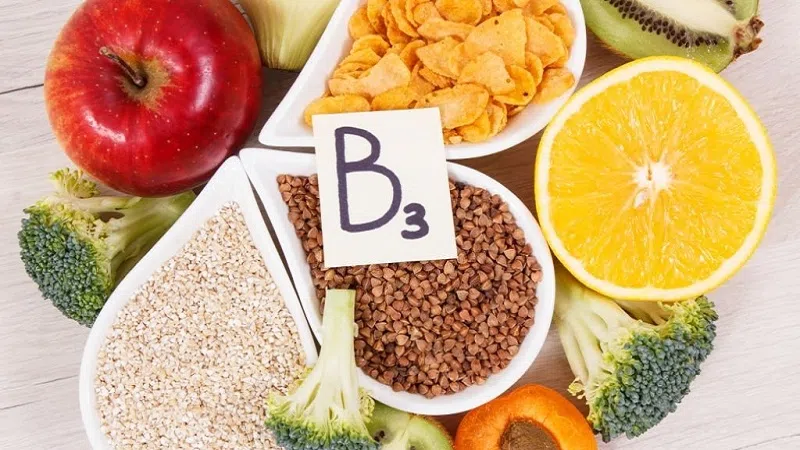
Vitamin B3 can be obtained through both food and supplements. However, natural dietary sources are generally preferred for long-term health and safety.
Foods rich in vitamin B3 include:
- Chicken and lean meats
- Fish such as tuna, salmon, and mackerel
- Peanuts and other legumes
- Whole grains and fortified cereals
- Seeds and certain nuts
A balanced diet that includes these foods can help maintain adequate vitamin B3 levels without the risk of excessive intake.
Unlike supplements, food sources provide additional nutrients that support overall metabolic health, making them a more sustainable option.
Lifestyle Factors That Matter More Than Supplements
While nutrients like vitamin B3 can support liver function, lifestyle choices play a far more significant role in preventing and managing fatty liver disease.
Key lifestyle measures include:
- Reducing intake of sugar and refined carbohydrates
- Maintaining a balanced diet rich in fiber, vegetables, and healthy fats
- Engaging in regular physical activity, including walking or strength training
- Managing body weight and reducing abdominal fat
- Avoiding excessive alcohol consumption
Even small but consistent lifestyle improvements can significantly reduce fat accumulation in the liver over time. In many early cases of NAFLD, lifestyle changes alone are enough to improve liver health.
Risks and Limitations of Vitamin B3
Although vitamin B3 has several benefits, it is not without risks, especially when taken in high doses as a supplement.
Possible side effects include:
- Liver toxicity at high doses
- Flushing of the skin (redness and warmth)
- Nausea and digestive discomfort
- Dizziness or headache in some cases
Because of these risks, high-dose niacin should only be used under medical supervision. Self-medication is not recommended, especially for individuals with existing liver conditions or metabolic disorders.
It is also important to note that more is not always better. Excess intake does not increase benefits and may instead cause harm.
Benefits of Vitamin B3 for Liver Health
When used appropriately and within safe limits, vitamin B3 may offer several supportive benefits for liver and metabolic health:
- Helps improve lipid profile by reducing triglycerides and LDL cholesterol
- Supports fat metabolism and energy production
- Reduces oxidative stress in liver cells
- May improve liver enzyme markers in certain conditions
- Assists in overall metabolic regulation
These benefits are supportive in nature. They work best when combined with proper diet, exercise, and medical care when required.
Importance of Medical Guidance
Fatty liver disease should always be properly diagnosed and monitored by healthcare professionals. Self-treatment using supplements alone is not recommended.
Medical guidance is particularly important for:
- Individuals already diagnosed with liver disease
- People considering high-dose niacin supplementation
- Patients with diabetes, obesity, or metabolic syndrome
- Individuals taking multiple medications
Regular monitoring of liver function tests is essential when managing NAFLD, especially if supplements are being used as part of the plan.
Conclusion
Vitamin B3 may help support liver health by improving fat metabolism, reducing triglyceride levels, and supporting overall metabolic balance. However, it is not a standalone solution for preventing or treating fatty liver disease.
Fatty liver disease is primarily driven by lifestyle factors such as diet, physical inactivity, and metabolic imbalance. Therefore, long-term management depends more on consistent lifestyle changes than on any single nutrient.
A balanced approach that includes healthy eating, regular exercise, weight management, and medically guided supplementation when necessary remains the most effective strategy for liver health.
FAQs
It may support metabolic health, but prevention mainly depends on diet, exercise, and weight control.
It can help improve lipid metabolism and liver enzyme levels, but it is not a standalone treatment.
The main causes include poor diet, obesity, insulin resistance, and lack of physical activity.
Chicken, fish, peanuts, legumes, and whole grains are good natural sources.
Yes, early-stage fatty liver can often be improved or reversed with lifestyle changes such as diet control and regular exercise.
