


Why Early Kidney Health Awareness Matters
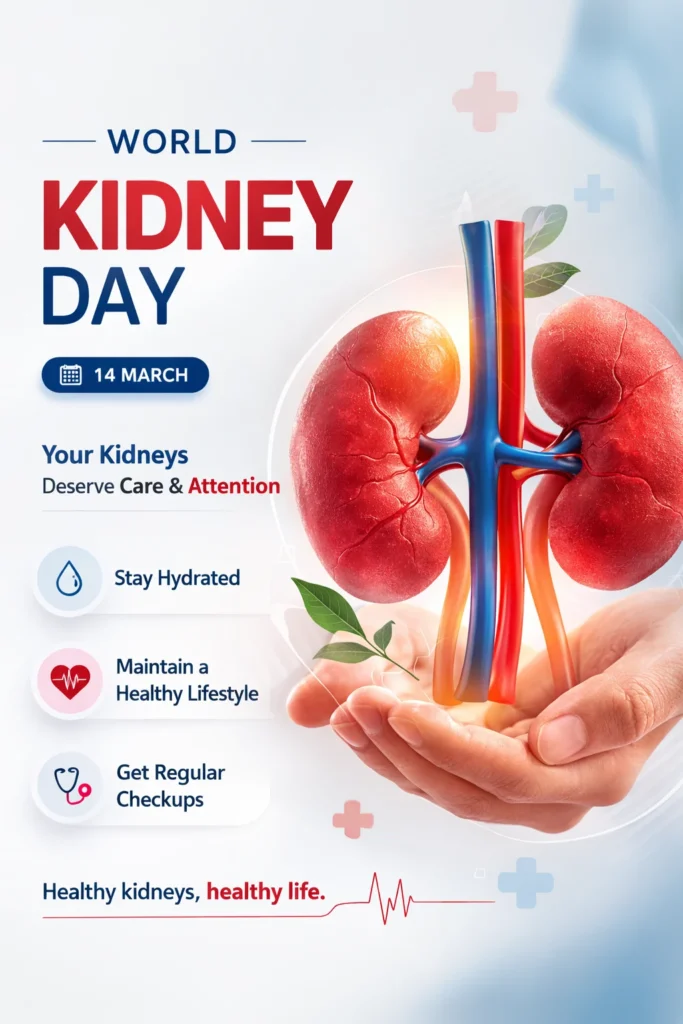
Kidney disease is often called a silent condition because many people do not experience noticeable symptoms until the disease has progressed significantly. This makes early detection extremely important. Every year, World Kidney Day raises global awareness about kidney health and the importance of preventive care.
The kidneys play a vital role in filtering waste from the blood, balancing body fluids, regulating blood pressure, and supporting overall health. When the kidneys stop functioning properly, toxins accumulate in the body and can lead to serious complications.
Health experts emphasize that regular screening is one of the most effective ways to detect kidney disease early. During World Kidney Day, medical professionals highlight two simple diagnostic tests that can identify kidney problems long before symptoms appear. These tests are widely available, affordable, and highly effective for monitoring kidney health.
Understanding these tests and incorporating them into routine health checkups can help millions of people reduce the risk of advanced kidney disease.
The Growing Global Burden of Kidney Disease
Kidney disease is a major public health concern affecting millions of people worldwide. Despite advances in healthcare, many individuals remain unaware that they have kidney problems until the condition becomes severe.
According to the World Health Organization, chronic kidney disease is among the leading causes of death globally and continues to rise due to increasing rates of diabetes, hypertension, and aging populations.
Similarly, the International Society of Nephrology reports that over 850 million people worldwide are affected by kidney diseases, making it one of the most common chronic health conditions.
What makes kidney disease particularly dangerous is that it progresses silently in its early stages. Many patients only discover the problem when kidney function has already declined significantly.
This is why preventive screening campaigns promoted during World Kidney Day focus on simple tests that can detect kidney problems early and enable timely treatment.
How Kidney Disease Develops Without Noticeable Symptoms
The kidneys are resilient organs capable of functioning even when partially damaged. Because of this ability, kidney disease often progresses slowly and without clear warning signs.
In the early stages, patients typically do not experience pain or obvious symptoms. However, as kidney function declines, several health issues may begin to appear, including:
- persistent fatigue
- swelling in the legs or ankles
- frequent urination, especially at night
- high blood pressure
- nausea or loss of appetite
These symptoms usually emerge only after kidney damage has progressed. Early screening helps detect kidney problems before such complications develop.
Routine health checks are especially important for individuals who have risk factors such as diabetes, hypertension, obesity, or a family history of kidney disease.
Two Simple Tests Doctors Recommend for Early Detection
Medical professionals emphasize two key diagnostic tests that can help detect kidney disease at an early stage. These tests are widely recommended by kidney specialists and healthcare organizations around the world.
Blood Test for Creatinine and Estimated Glomerular Filtration Rate (eGFR)
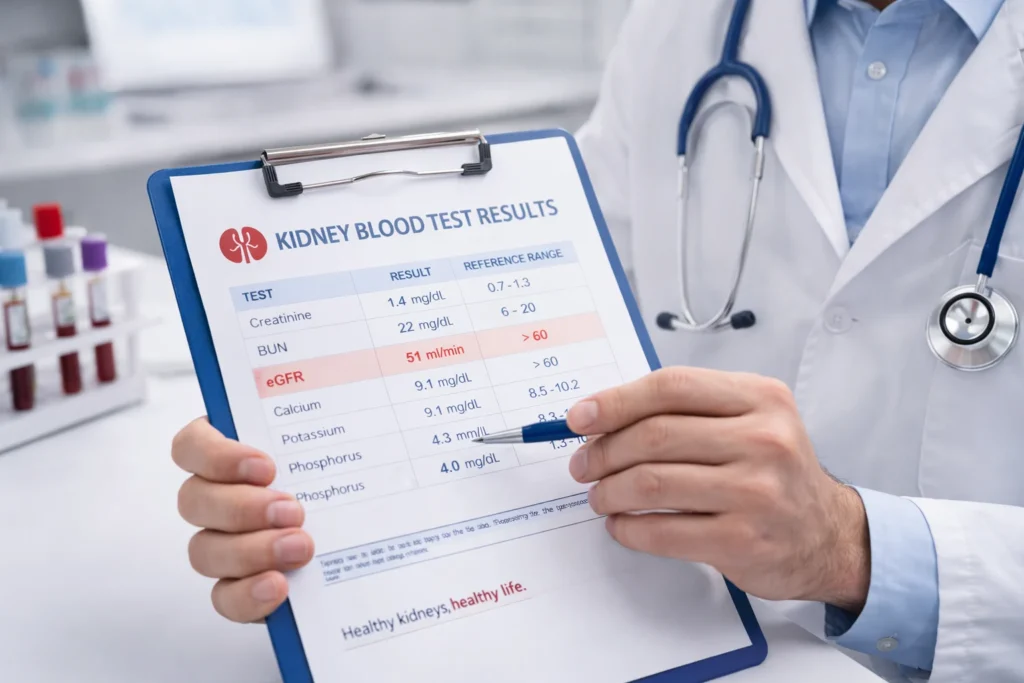
The first test involves measuring the level of creatinine in the blood. Creatinine is a waste product generated by normal muscle activity. Healthy kidneys filter creatinine out of the bloodstream and remove it through urine.
When kidney function declines, creatinine levels increase in the blood.
Doctors use creatinine levels to calculate the estimated glomerular filtration rate (eGFR), which measures how well the kidneys are filtering waste from the blood.
The eGFR value helps determine the stage of kidney function and whether further evaluation or treatment is required.
A simple blood sample is enough to perform this test, making it one of the most accessible screening tools for kidney health.
Urine Test for Albumin
The second important screening method is a urine test that checks for the presence of albumin.
Albumin is a type of protein that normally remains in the bloodstream. Healthy kidneys prevent large molecules like albumin from passing into the urine.
However, when kidney filters become damaged, albumin can leak into the urine. This condition is known as albuminuria and is often an early indicator of kidney disease.
The test, often called the urine albumin-to-creatinine ratio (UACR), measures how much albumin is present in the urine compared to creatinine levels.
Even small amounts of albumin in the urine can signal early kidney damage, making this test highly valuable for early detection.
Benefits of Detecting Kidney Disease Early
Early detection provides significant health advantages and can prevent serious complications.
Slowing Disease Progression
When kidney disease is diagnosed early, doctors can recommend lifestyle changes and medications that help slow its progression. This can delay or even prevent the need for dialysis or kidney transplantation.
Preventing Complications
Kidney disease can affect other organs, including the heart and blood vessels. Early detection allows doctors to manage risk factors such as high blood pressure and diabetes more effectively.
Improving Quality of Life
Patients who detect kidney problems early often maintain better health outcomes and experience fewer complications in the long term.
Lower Healthcare Costs
Preventive care and early treatment are significantly more affordable than managing advanced kidney disease. Screening tests are inexpensive compared to the cost of dialysis or transplant procedures.
Challenges in Detecting Kidney Disease
Despite the availability of simple screening tests, many cases of kidney disease remain undiagnosed.
Lack of Awareness
Many people are unaware of the importance of kidney health and do not undergo routine screening unless symptoms appear.
Limited Preventive Health Checkups
In some regions, individuals only seek medical attention when health problems become severe, delaying diagnosis.
Silent Nature of the Disease
Because early-stage kidney disease rarely causes symptoms, individuals may not realize that screening is necessary.
Health campaigns like World Kidney Day aim to address these challenges by promoting awareness and encouraging routine health checks.
Practical Steps to Protect Kidney Health
Maintaining kidney health involves a combination of lifestyle habits and preventive care.
Monitor Blood Pressure and Blood Sugar
High blood pressure and diabetes are two of the leading causes of kidney disease. Managing these conditions can significantly reduce risk.
Stay Hydrated
Drinking sufficient water helps the kidneys remove toxins and maintain fluid balance in the body.
Follow a Balanced Diet
Reducing excessive salt intake and eating a diet rich in fruits, vegetables, and whole foods supports kidney function.
Avoid Overuse of Painkillers
Frequent use of certain medications, particularly non-steroidal anti-inflammatory drugs, may harm kidney function if taken excessively.
Schedule Regular Health Checkups
Routine blood and urine tests can detect kidney problems before symptoms appear.
The Future of Kidney Disease Prevention
Healthcare systems worldwide are increasingly focusing on preventive care and early diagnosis. Digital health technologies, wearable monitoring devices, and advanced diagnostic tools are improving the ability to detect kidney disease earlier than ever before.
Public awareness campaigns, medical research, and improved healthcare access are also helping reduce the global burden of kidney disease.
As these efforts continue, more individuals will have the opportunity to identify kidney problems early and take steps to protect their health.
Conclusion
Kidney disease often develops silently, making early detection essential for protecting long-term health. World Kidney Day highlights the importance of awareness, prevention, and regular health screening.
Two simple tests—a blood test measuring creatinine and eGFR, and a urine test for albumin—can identify kidney problems in their earliest stages. These tests are quick, affordable, and widely available, making them powerful tools for preventive healthcare.
By prioritizing routine screenings and adopting healthy lifestyle habits, individuals can significantly reduce the risk of advanced kidney disease and maintain better overall health.
FAQs
Early kidney disease often shows no noticeable symptoms. As the condition progresses, people may experience fatigue, swelling in the legs, changes in urination patterns, or high blood pressure.
Individuals with diabetes, high blood pressure, heart disease, or a family history of kidney disease should undergo regular kidney function screening.
People at higher risk are generally advised to undergo kidney screening at least once a year. Doctors may recommend more frequent testing depending on medical history.
While some kidney damage cannot be reversed, early detection and proper management can slow or stop disease progression.
Most kidney screening tests are relatively affordable and widely available in diagnostic laboratories and hospitals. Early testing is far less costly than treating advanced kidney disease.
